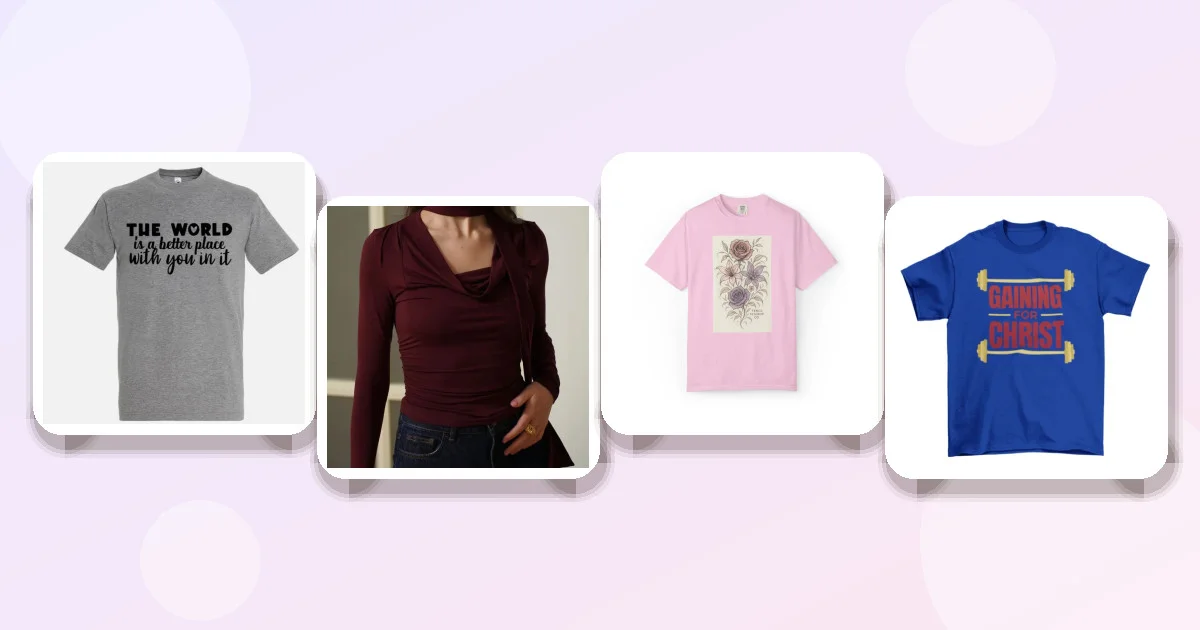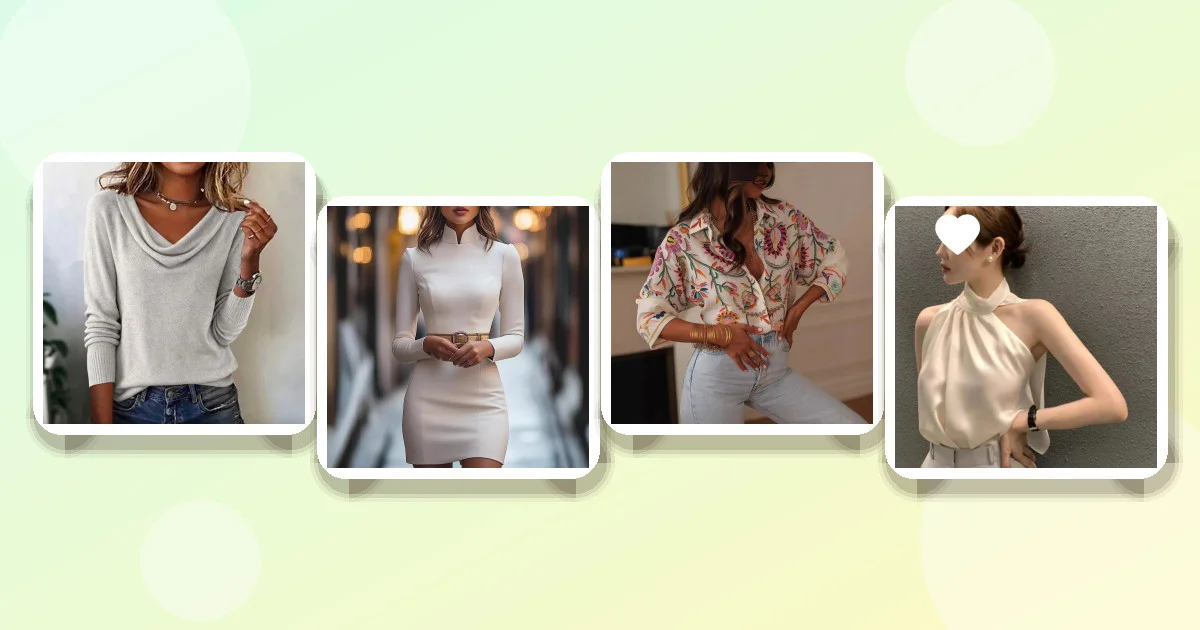
Walking into a chilly car in the morning and then stepping into a 68-degree office creates a unique thermal challenge. You arrive needing warmth, but by 10:00 AM, you are often sweating under too many layers. The solution is not just about having more clothes; it is about choosing the right combination of materials and weights. In this guide, we break down exactly how to pair specific blouse fabrics with sweater weights. You will learn which materials wick moisture, which sweaters drape rather than bulk, and how to style these pieces to look intentional, not just layered for survival.
Understanding Thermal Dynamics in the Office
Most office buildings maintain a temperature between 68 and 72 degrees Fahrenheit. This range is comfortable for people wearing light business attire, but it is too warm for heavy winter coats or thick sweaters. The problem arises during the transition period. When you commute, you are exposed to ambient outdoor temperatures that can range from 30 to 50 degrees in the fall. If you wear a single heavy garment, you arrive in the office already overheating. If you wear too little, you shiver during the commute and in the first hour of work.
The goal of effective layering is modularity. You need a system where you can adjust your insulation level without changing your entire outfit. This means your base layer should be thin enough to disappear under a blazer or sweater but warm enough to provide a barrier against the cold. Your mid-layer, usually a sweater, should be removable or easily adjustable. By understanding how different fabrics trap heat versus how they allow air circulation, you can manage your body temperature throughout the day.
The Role of the Base Layer
The base layer sits directly against your skin. Its primary job is not to keep you warm on its own, but to manage moisture and provide a smooth foundation for outer layers. If your base layer is too thick, it adds bulk that makes it difficult to fit a sweater or blazer over it. If it is too thin, it may not provide enough insulation for the commute. A good base layer for layering is typically made from lightweight knits, polyester, or fine synthetic blends that are breathable and easy to slide under other garments.
The Role of the Mid-Layer
The mid-layer is your adjustable heater. In a warm office, this is the piece you will likely remove by late morning. Therefore, the ideal mid-layer for this context is a sweater that is warm enough for the commute but not so heavy that it causes overheating immediately upon arrival. Fine-gauge knits, such as merino wool or lightweight cotton blends, are excellent choices because they provide warmth without excessive bulk. Chunky knits, while cozy, trap too much heat and are difficult to remove without disrupting the rest of your outfit.
How to Choose the Right Base Layer
Choosing the right base layer is the most critical step in building a warm yet manageable office outfit. You need to look at three specific factors: fabric composition, fit, and neckline. These elements determine how the layer interacts with your sweater and how comfortable you will feel over an eight-hour workday.
Fabric Composition and Breathability
For layering under a sweater, you want fabrics that are lightweight and smooth. 100% polyester is a common choice for this purpose because it is durable, holds its shape, and is easy to care for. It does not absorb moisture like cotton, which means it dries quickly if you do get a little sweaty. This makes it ideal for the transition from a cold commute to a warm office. Cotton, while comfortable, can feel clammy when layered under synthetic or wool sweaters. If you choose cotton, look for a fine-gauge knit that is thin enough to layer easily.
Synthetic blends often include a small percentage of elastane or spandex for stretch, which helps the fabric conform to your body without adding bulk. This stretch is crucial for layering because it allows the base layer to move with you under the sweater. Avoid fabrics that are stiff or prone to pilling, as these can create friction and discomfort when worn against other layers for long periods.
Consider the Elegant Apricot/Black Loose-Fit Long Sleeve Top As a versatile base layer option. It is made from soft 100% polyester, which provides the breathability and durability needed for daily layering.
- Pros: Lightweight and breathable, making it ideal for layering under sweaters without adding bulk; easy to care for and maintains its shape after washing.
- Con: The loose fit may require careful tailoring or pairing with fitted bottoms to maintain a professional silhouette.
Another option is the Spring Summer Long-sleeve Solid-color Boat-neck T-shirt. While designed for warmer weather, its lightweight construction makes it a viable base layer for those who tend to run hot in the office.
- Pros: Extremely lightweight, allowing for maximum adjustability with outer layers; solid color provides a neutral foundation for various sweater styles.
- Con: May not provide sufficient warmth for very cold commutes, so it is best paired with a warmer mid-layer or jacket.
Fit and Silhouette
The fit of your base layer determines how it behaves under a sweater. A base layer that is too tight will dig into your skin and become visible as lines under the sweater. A base layer that is too loose will bunch up, creating wrinkles and adding unwanted bulk. The ideal fit is relaxed but not baggy. You should be able to move your arms freely without the fabric pulling at the shoulders or waist.
Pay attention to the length of the base layer. A hem that hits at the hip or just below is ideal because it stays tucked in or lies flat against the body. If the hem is too short, it may ride up when you sit down or reach for something, exposing your midsection. If it is too long, it can bunch up under a belt or sweater. Check the product specifications for length measurements if available, or try it on with the sweater you plan to wear over it.
Neckline Considerations
The neckline of your base layer affects how you style the sweater and blazer. A boat neck or wide scoop neck is often the most versatile because it lies flat and does not show under most sweaters. A high neckline, such as a turtleneck, can add warmth but may be too warm for a warm office if worn under a sweater. If you prefer a turtleneck, choose a fine-gauge one that is thin enough to layer without adding significant bulk. A V-neck base layer can be useful if you plan to wear a blazer over the sweater, as it allows you to show a hint of the layer underneath for a polished look.
Selecting the Ideal Sweater Weight
The sweater is the key to managing your temperature in the office. It needs to be warm enough for the commute but light enough to remove or adjust once you are indoors. The weight of the sweater is usually indicated by the gauge of the knit. A finer gauge means a lighter, less bulky sweater, while a chunkier gauge means a heavier, warmer sweater.
Fine-Gauge vs. Chunky Knits
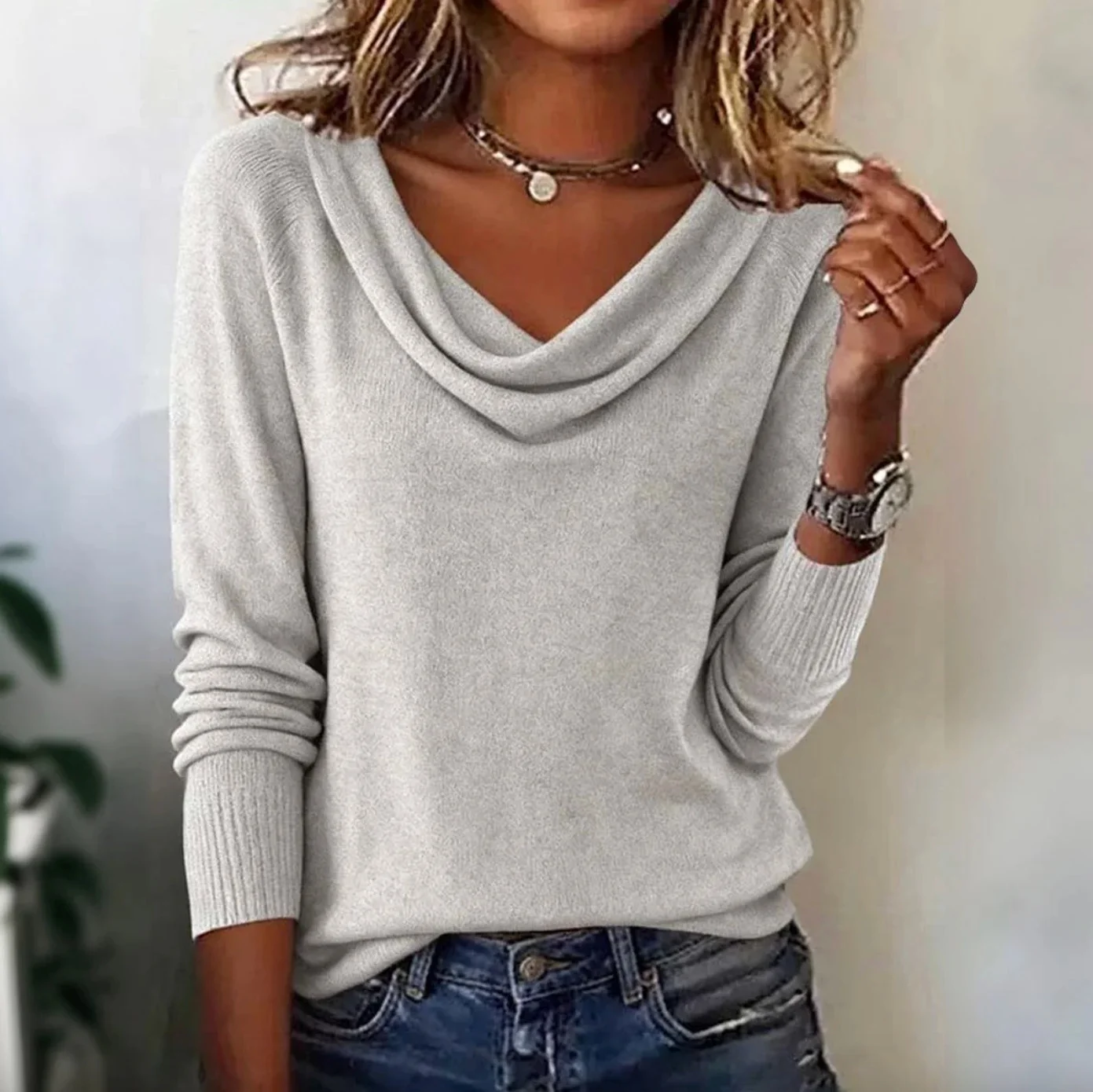
For a warm office, fine-gauge knits are generally a better choice. These sweaters are made with thinner yarns, resulting in a fabric that drapes closely to the body. They provide warmth without adding significant bulk, making them easier to layer under a blazer or over a base layer. Fine-gauge sweaters are also easier to remove without disturbing the rest of your outfit, which is helpful if you need to adjust your temperature throughout the day.
Chunky knits, on the other hand, are made with thicker yarns and create a more substantial layer. While they are warmer, they can quickly lead to overheating in a climate-controlled office. They also add bulk, which can make it difficult to fit a blazer over them without looking boxy. If you prefer the look of a chunky sweater, consider wearing it as the outer layer without a blazer, or choose a lightweight version that mimics the look without the weight.
Material and Warmth
The material of the sweater also affects how it feels in a warm office. Wool is a natural insulator that regulates body temperature well, but it can be itchy for some people. Merino wool is a finer, softer option that is less likely to cause irritation. Cotton sweaters are breathable but do not retain heat as well as wool, making them better suited for milder commutes. Synthetic sweaters, such as those made from acrylic or polyester, are often lighter in weight and easier to care for, but they may not breathe as well as natural fibers, potentially leading to moisture buildup in a warm environment.
When choosing a sweater for layering, look for a material that is breathable and moisture-wicking. This helps to keep you comfortable as your body temperature changes throughout the day. Avoid materials that trap heat and moisture, as these can make you feel sticky and uncomfortable in a warm office.
Product Comparison: Blouses and Tops
To help you choose the right base layer, here is a comparison of the specific products available. Each option has different characteristics that make it suitable for different layering needs and personal preferences.
| Product | Price | Material/Type | Options | Best For |
|---|---|---|---|---|
| Spring Summer Long-sleeve Solid-color Boat-neck T-shirt | $21.88 | Lightweight Knit | Solid Colors | Minimalist layering for those who run hot |
| Stylish and Elegant Stand-collar Dress for Women | $29.84 | Polyester (Knit Fabric) | Ivory White, Black, Red; S-3XL | One-piece professional look with built-in structure |
| Elegant Apricot/Black Loose-Fit Long Sleeve Top | $23.88 | 100% Polyester | Apricot, Black; S-XXL | Comfortable, easy-care base layer for daily wear |
| Elegant Chic Halter-neck Satin Slip Dress With A Loose Fit | $19.48 | Satin | Loose Fit | Smooth, sleek layering under structured blazers |
| Lace-up Elegant and Chic Asymmetrical Pleated Dress | $39.12 | Polyester | Sapphire Blue, Violet; S-XXXL | Statement piece for days when you want to stand out |
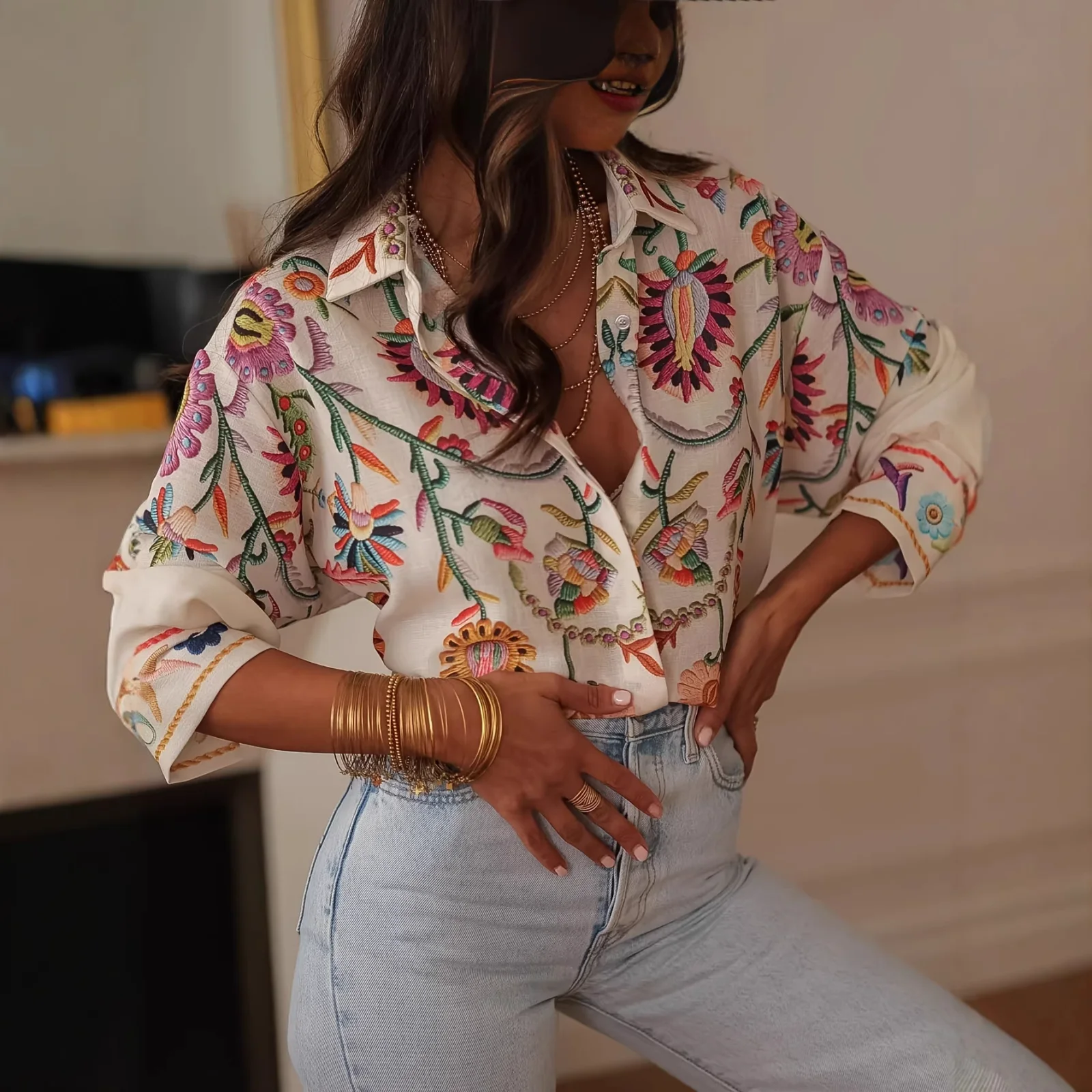
| Floral Blouse Top for Women - Elegant Commuter Style | $18.80 | Soft Polyester | Floral Print; S-5XL | Adding visual interest without sacrificing comfort |
Each of these products offers a different approach to layering. The Stylish and Elegant Stand-collar Dress for Women Is a one-piece option that simplifies the process by providing a structured base.
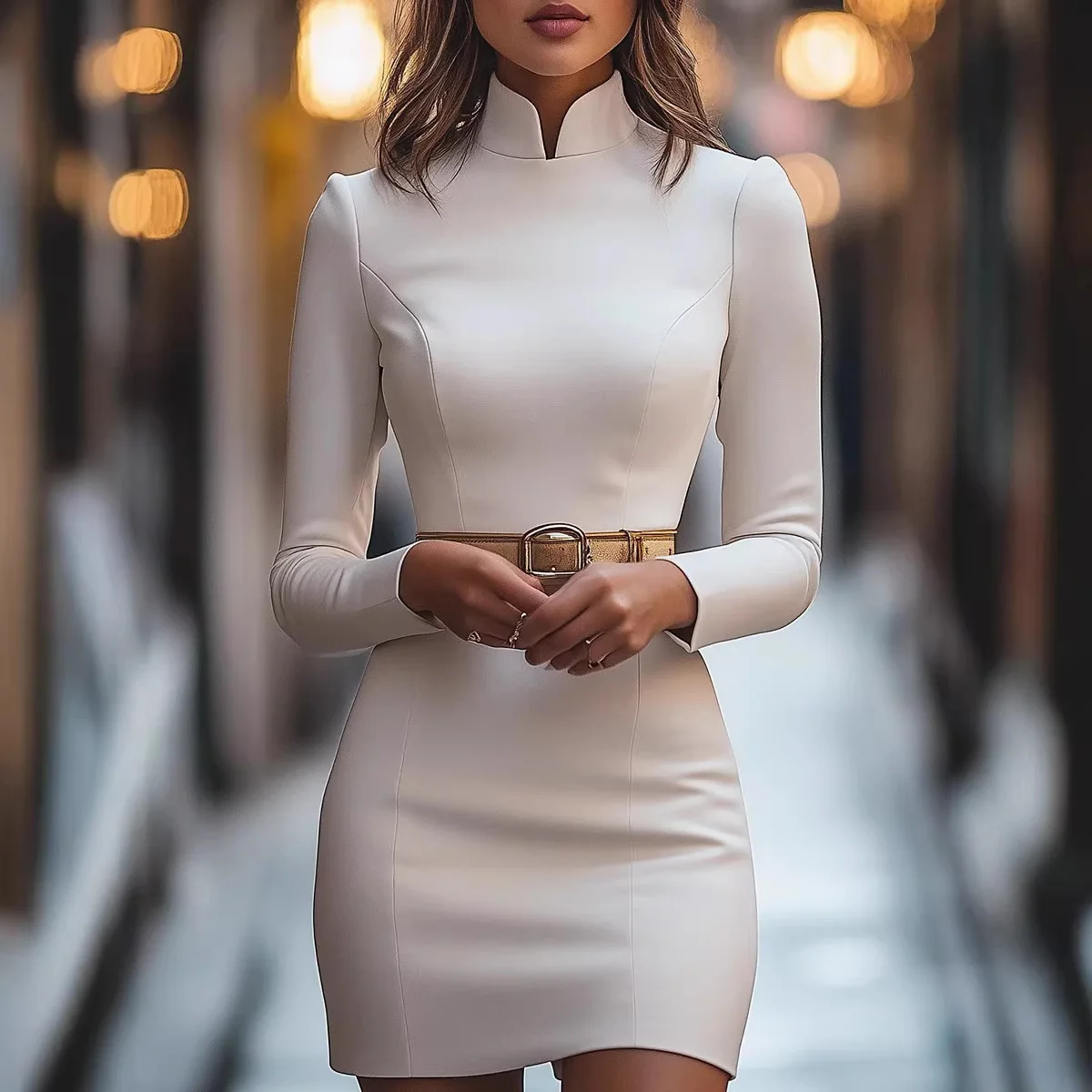
- Pros: Elegant professional style with a stand collar that adds structure; available in neutral colors like ivory and black that pair well with various sweaters.
- Con: Asian sizing runs 1-2 sizes smaller than US/EU, so you must size up to ensure a comfortable fit for layering.
The Elegant Chic Halter-neck Satin Slip Dress With A Loose Fit Offers a smooth, sleek layer that can be worn under a blazer or sweater.
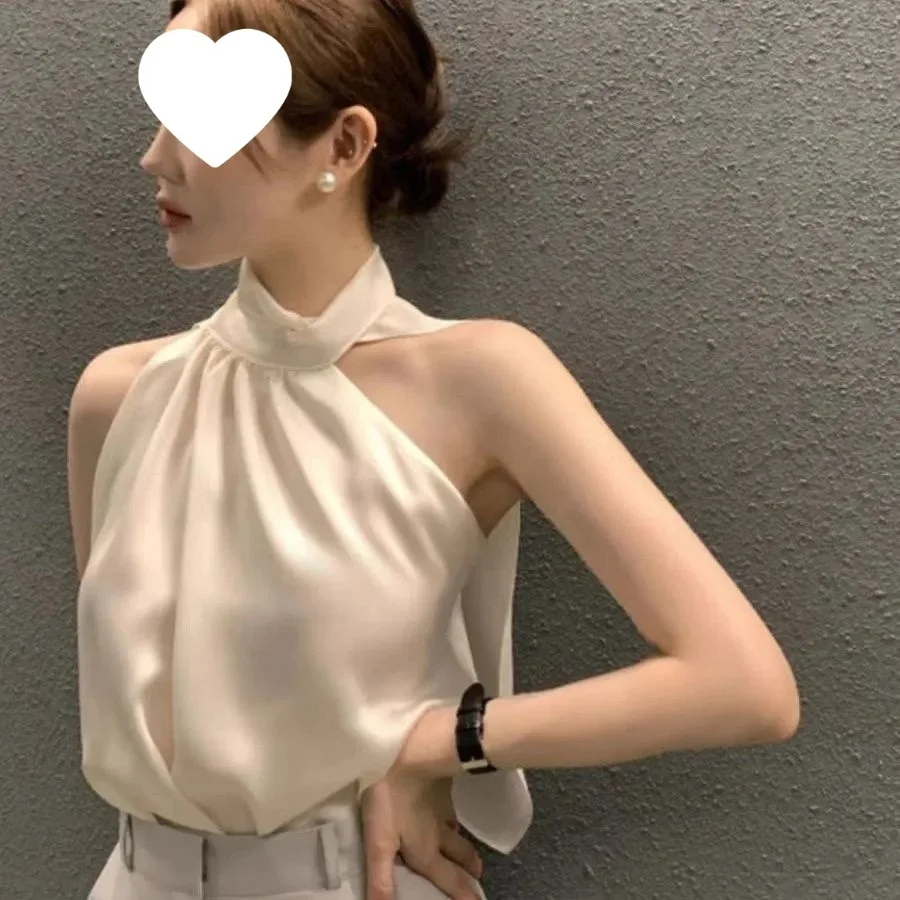
- Pros: Satin material provides a smooth surface that reduces friction under outer layers; loose fit ensures comfort throughout the day.
- Con: The halter neck may not be suitable for all office dress codes, and the satin material may require careful handling to avoid wrinkles.
The Lace-up Elegant and Chic Asymmetrical Pleated Dress Is a more statement-making option that can be layered with a simple cardigan.
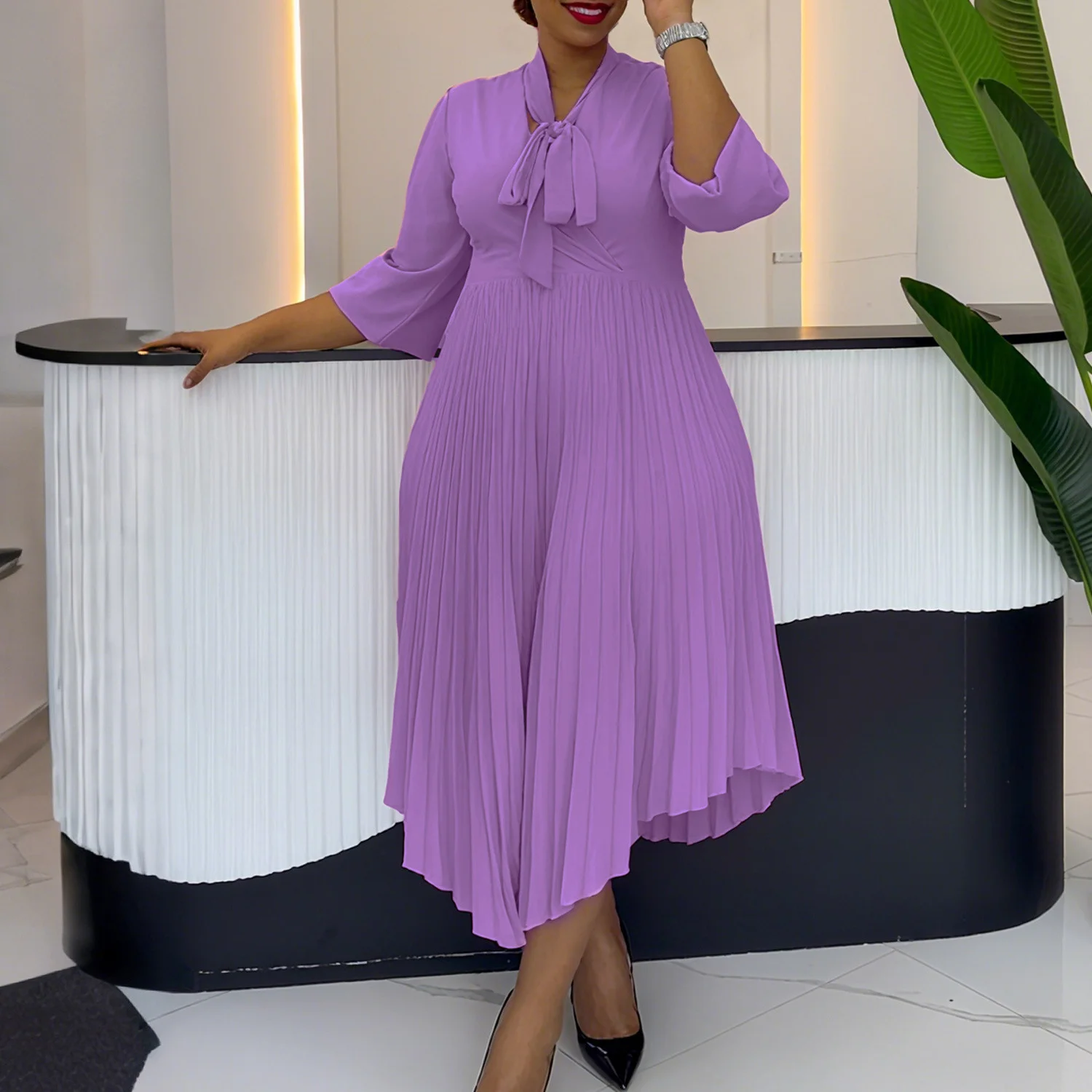
- Pros: Asymmetrical pleated skirt style adds dimension and movement; available in a range of sizes from S to XXXL for inclusive fit.
- Con: The lace-up detail may require adjustment to ensure it stays secure under a sweater or blazer.
The Floral Blouse Top for Women - Elegant Commuter Style Is a great option for adding color and pattern to your layers.
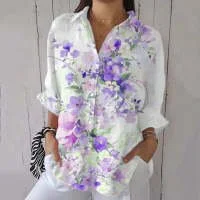
- Pros: Soft polyester material is comfortable and easy to wear; off-shoulder design offers a unique look that can be covered by a cardigan or blazer.
- Con: The off-shoulder design may not be suitable for all office environments, so it is best paired with a covering layer.
Styling Tips for a Professional Look
Layering can sometimes look bulky or disorganized if not done carefully. The key to a professional look is balance. You want to create an outfit that looks intentional and polished, not like you are wearing multiple coats. Here are some specific tips to help you achieve that look.
Balance Proportions
If you are wearing a loose-fitting base layer, pair it with a fitted sweater or blazer to define your silhouette. Conversely, if you are wearing a fitted base layer, you can opt for a slightly looser sweater. This balance prevents the outfit from looking like a rectangle. Pay attention to the length of each layer. A shorter base layer under a longer sweater creates a clear distinction between the two, making the outfit look more structured.
Choose Neutral Colors for Versatility
Neutral colors are the backbone of a professional wardrobe. Black, white, navy, gray, and beige can be mixed and matched easily, allowing you to create multiple outfits from a few key pieces. When layering, start with neutral base layers and add interest with the sweater or accessories. For example, a black base layer under a camel sweater creates a classic, sophisticated look. A white base layer under a navy sweater provides a crisp, clean contrast.
Use a Blazer for Structure
A blazer is an excellent way to add structure to a layered outfit. It can smooth out any bulk from the sweater and create a sharp, professional silhouette. When wearing a blazer over a sweater, ensure that the sweater is not too thick. A fine-gauge sweater works best under a blazer. If the sweater is too bulky, the blazer may look stretched out or ill-fitting. You can also wear the blazer over just the base layer if you are feeling warm, keeping the sweater nearby for cooler moments.
Accessories Matter
Accessories can help tie the outfit together and add a personal touch. A simple scarf can add warmth and color without adding bulk. Choose a thin, lightweight scarf that can be worn under a blazer or over a sweater. Jewelry should be kept simple and understated to maintain a professional look. Avoid large, chunky pieces that may clash with the layers or get caught on the fabric.
Common Mistakes to Avoid
Even with the right pieces, it is easy