

Winter dressing on a curvy body often feels like a compromise. You want warmth, but you also want to avoid the "balloon" effect where every layer adds inches you don't have to spare. Many women stop layering entirely because they fear looking boxy or drowning in fabric. The good news is that you don't have to choose between cold protection and a flattering silhouette. By understanding how specific fabrics drape and how certain cuts interact with your natural shape, you can build a winter wardrobe that feels intentional, not accidental. This guide focuses on practical styling techniques and specific product selections from our Curve & Plus and Sweaters categories. We will look at how to mix textures, choose the right lengths, and use strategic layering to highlight your features rather than hiding them.
Understanding Bulk: Why Some Layers Add Inches
Bulk is not just about the thickness of the material; it is about volume and how that volume sits on your body. When you layer, you are adding multiple surfaces. If each surface is loose and unstructured, they stack up, creating a cylindrical shape around your torso. This is the enemy of a flattering winter look. The goal is to create contrast. You need a mix of tight, loose, structured, and unstructured elements to break up the lines of your body.
The Rule of Contrast
Think of your outfit as a series of shapes. If your top is loose and your bottom is loose, the result is a box. To fix this, you need a point of definition. This could be a cinched waist, a tucked-in hem, or a fitted base layer. For curve sweaters, the key is to ensure that at least one layer follows the line of your body. A slim-fitting turtleneck under a loose cardigan creates a vertical line that elongates the torso. Conversely, a loose top over a fitted bottom draws the eye to the narrowest part of your frame.
Texture Matters
Heavy, dense fabrics like thick cable knits absorb light and create a solid block of color and texture. This can make you look larger than you are. Lightweight, fine-gauge knits, on the other hand, drape over the body and follow its contours. They add warmth without adding significant visual weight. When selecting curve sweaters, look for descriptions that mention "fine gauge," "slim fit," or "drapes well." Avoid terms like "chunky," "oversized," or "slouchy" unless you are intentionally creating a specific high-fashion silhouette that requires balancing with very fitted bottoms.
Choosing the Right Fabric for Your Body
Fabric is the foundation of your winter layering strategy. The wrong material can make even the best cut look unflattering. You need to consider how the fabric behaves against your skin and how it holds up when compressed by other layers.
Merino Wool and Cashmere Blends
Merino wool is a top choice for curve sweaters because it is thin yet warm. It has natural elasticity, which means it stretches to fit your body without pulling or distorting. A merino blend with a small percentage of cashmere adds softness and drape. These fabrics are ideal for base layers and mid-layers because they do not add bulk. They are also resistant to odors, which is practical for daily wear. If you are shopping for a sweater to wear under a jacket, a fine merino knit is often the best option. It provides warmth without the puffy look of synthetic insulation.
Cotton and Modal Blends
For inner layers, cotton and modal blends are excellent. They are breathable, soft, and less likely to cause static cling than synthetic fibers. A cotton camisole or a modal long-sleeve tee can serve as a perfect foundation under a curve sweater. These fabrics are lightweight, so they disappear under outer layers. They also wick moisture away from the skin, keeping you comfortable as you move from indoor to outdoor environments. When choosing a base layer, look for a fabric that is smooth against the skin to prevent irritation from the sweater above it.
Why Avoid Heavy Acrylics
Acrylic is a common material in affordable sweaters, but it is often the culprit behind bulky winter outfits. Acrylic fibers are thicker than natural fibers and do not drape as well. They tend to stand away from the body, creating volume. Additionally, acrylic can be prone to pilling and static, which can look messy and distract from the overall silhouette. If you do buy an acrylic sweater, choose a dark, solid color to minimize the visual impact of the texture. Pair it with fitted trousers or a slim skirt to balance the volume.
Polyester and Synthetic Blends
Polyester is widely used in plus-size clothing because it is durable and affordable. However, it can be less breathable than natural fibers. For a winter layer, a polyester blend might be acceptable if it is designed to be loose and airy. Look for fabrics that have some stretch to accommodate movement. If the polyester fabric is heavy and stiff, it may create sharp lines that accentuate rather than soften your shape. Check the fiber content on the label. If it is 100% polyester, consider how it will feel against your skin and how it will layer with other materials. A blend with cotton or modal will usually be more comfortable and less likely to feel "plastic" against the body.
The Fit Guide: Sizes, Cuts, and Proportions
Fit is the most critical factor in making curve sweaters look flattering. A sweater that is too tight will pull at the seams and create diagonal lines across your torso. A sweater that is too loose will swallow your frame and make you look smaller in a way that flattens your curves. You need a middle ground: a fit that skims the body without clinging.
Understanding Sizing in Plus-Size Clothing
Plus-size sizing can be inconsistent across brands. Many brands use Asian sizing, which runs smaller than US/EU standards. If you are shopping for a dress or shirt that lists sizes like S, M, L, XL, check the specific measurements. For example, an Asian "L" might be equivalent to a US "M" or "L." Always measure your chest, waist, and hips and compare them to the size chart provided by the retailer. If you are between sizes, it is generally safer to choose the larger size for comfort, especially if the fabric has little stretch. You can always tailor a hem or waist, but you cannot add fabric to a garment that is too small.
The Importance of the Shoulder Seam
The shoulder seam is the anchor point for how a sweater fits. It should sit exactly at the edge of your shoulder, not on your arm and not slipping down. If the seam is too far down, the sweater will look slouchy and pull at the chest. If it is too high, the sweater will feel restrictive and pull at the neck. When trying on curve sweaters, pay close attention to this point. A well-placed shoulder seam creates a clean, professional line that frames your face and neck. It also ensures that the rest of the sweater hangs correctly from the torso.
Waist Definition and Cinching
Many curve sweaters are cut straight to accommodate larger sizes, but this can result in a boxy shape. To create a flattering silhouette, you need to introduce waist definition. This can be done with a belt, a drawstring, or a built-in cinch. A shirt with a waist-cinching design, for instance, can be worn as a top or a short dress to highlight your waist. When layering, consider wearing a cinched shirt under a loose sweater. This creates a tapered shape that flows out from the waist, which is universally flattering. Alternatively, you can tuck the front of a loose sweater into your pants or skirt to create a visual waistline.
Length Proportions
The length of your sweater should be proportional to your body. A sweater that ends at the middle of your hip can make your legs look shorter and your torso look longer. A sweater that ends at the hip bone or just below it is often the most flattering length for most body types. For a pear shape, a sweater that hits at the hip can balance wider hips. For an apple shape, a sweater that hits just below the widest part of the torso can create a smoother line. Avoid sweaters that are too long, as they can make you look shorter and more bulky. If you find a sweater you love but it is too long, consider having it hemmed to the correct length.
Product Comparison: Value and Versatility
Here is a breakdown of the specific products available in our Curve & Plus and related categories. Each item serves a different purpose in your winter layering strategy. Use this table to quickly compare key attributes.
| Product | Price | Material/Type | Options Available | Best For |
|---|---|---|---|---|
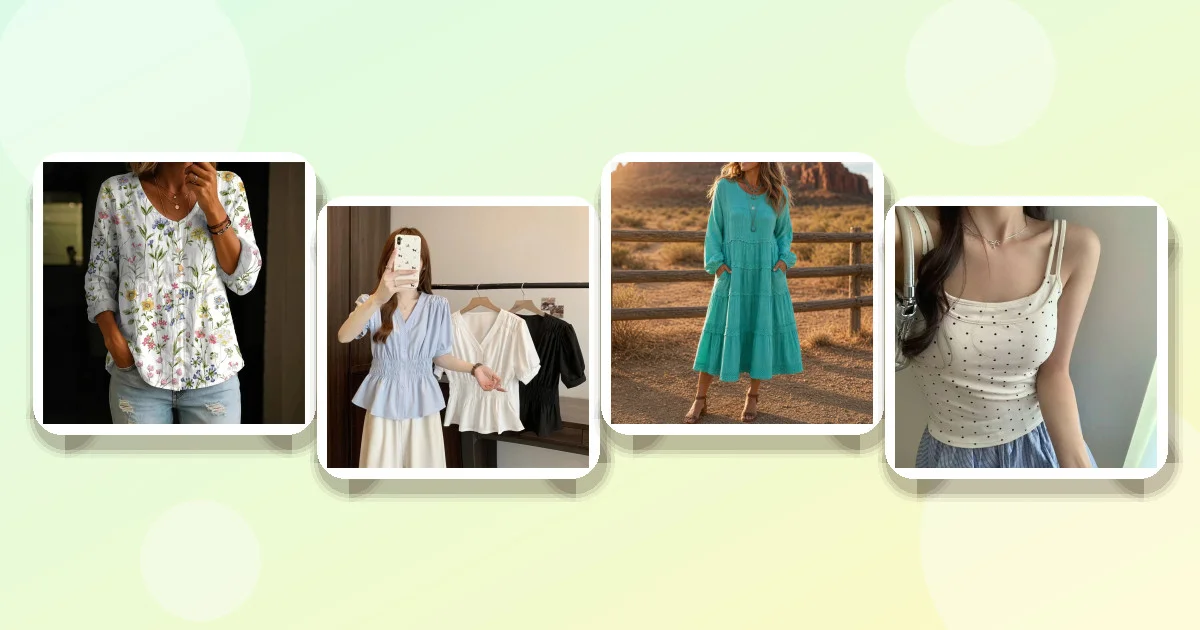
| Women's Fashion Round-Neck Printed Plus-Size Shirt | $20.12 | Printed Shirt | Various (Check listing) | Adding visual interest as a mid-layer |
| Plus-Size Women's Short Sleeve Waist-Cinching Shirt | $17.92 | Short Sleeve Shirt | M-4XL, Blue/White/Black | Creating waist definition under loose layers |
| New European and American-style Solid-color Plus-size Long-sleeve Loose-fitting Dress | $28.52 | Polyester Dress | S-XXL, Solid Colors | One-piece layering for casual wear |
| Polka Dot Camis with Chest Pad, One Size, Comfortable Korean Style | $16.08 | Cotton Camisole | One Size, 5 Colors | Smooth, supportive base layer |
| Warm Plus Size Zebra Vest with Faux Fur | $122.72 | Faux Fur Vest | XS-3XL, Zebra Print | Statement outer layer for cold days |
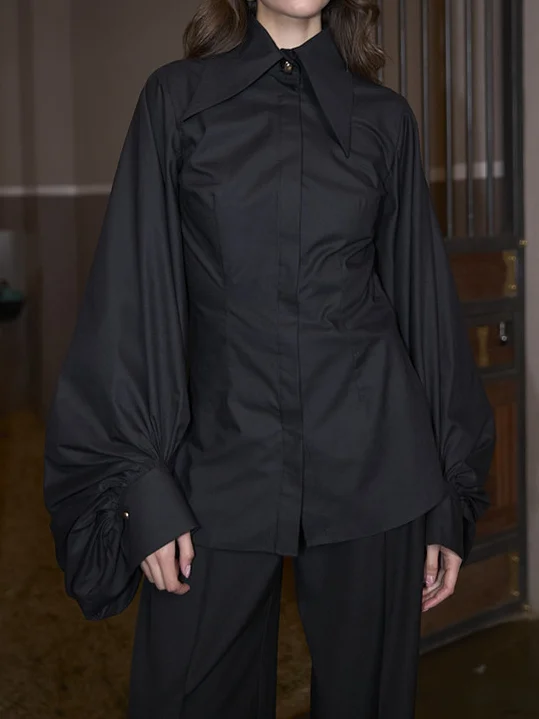
| Black Oversized Collar Balloon Sleeve Shirt | $43.12 | Oversized Shirt | Various (Check listing) | Structured, modern look for work |
Product 1: Women's Fashion Round-Neck Printed Plus-Size Shirt
This shirt offers a printed design that adds visual interest to your outfit. It is a versatile piece that can be worn as a top or a short dress.
Best for Women who want to add color and pattern to their winter wardrobe without relying on solid, heavy knits.- Pro: The print breaks up the silhouette, drawing the eye away from specific areas.
- Pro: Affordable price point allows for experimenting with style.
- Con: No detailed fabric specs are available, so check the material composition before purchasing to ensure it layers well.

Product 2: Plus-Size Women's Short Sleeve Waist-Cinching Shirt
This shirt features a loose fit with a waist-cinching design, available in blue, white, and black. It is designed for comfort and confidence, accommodating sizes M-4XL.
Best for Creating a defined waistline under a loose cardigan or sweater.- Pro: The cinched waist creates an hourglass shape, which is flattering for many body types.
- Pro: Short sleeves make it easy to layer under long-sleeve sweaters without adding bulk at the arms.
- Con: The short sleeves may be too warm for very cold days if worn as a base layer without additional coverage.

Product 3: New European and American-style Solid-color Plus-size Long-sleeve Loose-fitting Dress
This dress is made from polyester fiber and comes in solid colors. It has a loose fit and is available in sizes S-XXL. Note that Asian sizing runs 1-2 sizes smaller than US/EU.
Best for A quick, easy outfit that can be layered with tights and boots.- Pro: The loose fit allows for easy movement and layering underneath.
- Pro: Solid colors are easy to match with other pieces in your wardrobe.
- Con: Polyester may not be as breathable as natural fibers, so it might feel warm if you are active.

Product 4: Polka Dot Camis with Chest Pad, One Size, Comfortable Korean Style
This camisole is made from soft cotton and features a chest pad for added support. It is available in apricot, gray, black, red, and pink. It is a one-size fit, but Asian sizes run smaller.
Best for A smooth, supportive base layer under sheer or thin sweaters.- Pro: The chest pad provides shape and support without the need for a separate bra.
- Pro: Cotton is breathable and comfortable against the skin.
- Con: One-size fit may not accommodate all body types comfortably; check the size chart carefully.

Product 5: Warm Plus Size Zebra Vest with Faux Fur
This vest is made from faux fur and features a zebra print. It is designed for casual outings or layering under jackets. It is available in plus sizes for a comfortable fit.
Best for Adding warmth and a bold pattern to your outer layer.- Pro: The vest style allows for freedom of movement in the arms, making it easier to layer under coats.
- Pro: The faux fur material provides excellent warmth for cold weather.
- Con: The bold zebra print may be difficult to match with other pieces in your wardrobe.

Product 6: Black Oversized Collar Balloon Sleeve Shirt
This shirt features an oversized collar and balloon sleeves. It is a structured piece that adds a modern touch to your outfit.
Best for Creating a professional, polished look for work or formal occasions.- Pro: The structured collar and sleeves add definition to the upper body.
- Pro: The black color is versatile and easy to layer with any neutral sweater.
- Con: The balloon sleeves may add volume to the arms, so balance with a fitted bottom.
Common Mistakes to Avoid
Even with the right pieces, styling mistakes can undermine your look. Here are the most common errors women make when layering curve sweaters and how to fix them.
Mistake 1: Layering Too Many Loose Items
Wearing a loose shirt, a loose sweater, and loose pants creates a shapeless silhouette. This is the most common mistake. To fix it, ensure that at least one item in your outfit is fitted. If your sweater is loose, wear fitted leggings or trousers. If your top is fitted, you can wear a looser bottom. The key is to create a line that leads the eye down your body.
Mistake 2: Ignoring the Hem
Letting a bulky sweater hang loose over your hips can make your legs look shorter and your torso look longer. To fix this, try the "French tuck." Pull the front of your sweater into your pants or skirt, leaving the back loose. This creates a defined waistline while maintaining a relaxed feel. Alternatively, choose a sweater that is the right length for your body to begin with.
Mistake 3: Choosing the Wrong Base Layer
Wearing a thick, bulky base layer under a sweater adds unnecessary volume. To fix this, choose a thin, smooth base layer. A cotton camisole


