

You know the struggle. It is 45 degrees Fahrenheit in November, the wind is cutting through a thin blazer, and you are trapped between freezing on the subway platform and arriving at the office sweating because you wore a parka over a chunky cable-knit. The goal of fall coat layering Is not just about trapping heat; it is about managing volume. If every layer is thick and unstructured, you look like a marshmallow. If you mix textures and silhouettes correctly, you stay warm, move freely, and look intentional rather than over-dressed.
This guide cuts through the noise. We will look at specific silhouette pairings, the role of fabric weight, and how to accessorize without adding bulk. We will also address common mistakes, such as wearing a thick turtleneck under a fitted blazer, and provide a clear framework for choosing the right accessories to complete the look. Whether you are taking the bus, walking to the office, or navigating a cold train station, these principles will help you build a wardrobe that works harder for you.
The Rule of Silhouettes: Slim vs. Structured
Most bulk issues stem from a lack of contrast. If you wear a boxy, oversized sweater under a boxy, oversized coat, the layers sit on top of each other, creating a rectangular block of fabric that restricts movement and obscures your shape. The solution is to alternate between "slim" and "structured" elements. This does not mean you need to buy fitted clothes if you prefer loose fits. It means you need to be mindful of where the volume is placed.
Pairing Slim Sweaters with Structured Coats
This is the safest and most professional combination for office environments. A slim-fit merino wool sweater or a fine-gauge cashmere crewneck provides warmth without adding significant thickness. Because the base layer is close to the body, you can wear a structured coat with defined shoulders, such as a tailored wool topcoat or a sharp peacoat. The structure of the coat creates a clean line, while the slim sweater ensures the coat closes easily over the torso without pulling at the buttons.
This pairing works particularly well for women who commute via public transit where space is limited. A slim layer allows you to slip your arms into your sleeves quickly and sit comfortably in a train car without the fabric bunching up under your arms. The visual effect is streamlined and polished. You look put-together because the lines are clean, and the warmth is efficient because the air trapped between the slim sweater and the structured coat is sufficient for most fall temperatures.
Pairing Chunky Knits with Relaxed Outerwear
If you prefer the comfort of a chunky cable-knit or a thick mohair sweater, you must pair it with a coat that has room to spare. Think oversized trenches, duster coats, or relaxed-fit parkas. The key here is that the coat should be open or have a loose closure. Do not try to button a fitted coat over a chunky knit; it will look strained and unflattering. Instead, let the coat drape loosely over the sweater. The volume of the sweater becomes a feature rather than a flaw when the outer layer is equally generous in volume.
This look is best for weekends or casual Fridays. It is cozy and visually interesting because the texture of the chunky knit contrasts with the smooth or matte finish of the outerwear. However, be aware that this combination is less practical for active commuting. If you are walking long distances or carrying a heavy bag, the extra bulk of a chunky knit can make you feel weighed down. Reserve this pairing for days when you can walk directly from the car or taxi to the office.
The "Monk" Layer: How to Use a Blazer as a Mid-Layer
Many women ask if they can wear a blazer under a coat. The answer is yes, but only if the blazer is slim and the coat is long and open. A blazer adds a layer of structure and professionalism, but it also adds bulk at the shoulders. If you wear a standard wool blazer, you need a coat with deep armholes and a relaxed fit. The blazer should be buttoned to create a defined waist, which helps break up the vertical line and prevents the outfit from looking like a column of fabric. This is a sophisticated way to add warmth without adding a bulky sweater underneath.
Fabric Matters: Weight, Texture, and Breathability
Silhouette is only half the equation. The material of your layers determines how warm you actually feel and how the layers interact with each other. Many people assume that "thicker" equals "warmer," but in layering, breathability and insulation efficiency are more important. A thick cotton sweater traps moisture and can feel clammy if you are walking, whereas a medium-weight merino wool sweater wicks moisture away and insulates effectively without adding bulk.
When selecting a sweater for layering, look for these specific materials:
- Merino Wool: The gold standard for commuting. It is temperature-regulating, odor-resistant, and comes in fine gauges that layer easily under blazers and coats. A 12-gauge to 18-gauge merino is ideal for fall. It is thin enough to fit under a fitted dress shirt but warm enough to handle 40-degree weather.
- Cashmere: Lighter and softer than wool, cashmere provides excellent warmth-to-weight ratio. It is perfect for high-end office environments where you want to look polished. However, it is less durable and more expensive. Use it for the layer closest to the skin or as a mid-layer under a heavy coat.
- Alpaca: Warmer than wool and softer, but it can be itchy for some people. Alpaca is best for colder fall days when you want maximum warmth without the bulk of a synthetic fleece. It has a unique luster that looks elegant under a matte wool coat.
- Fleece (Merino or Synthetic): Avoid thick, fuzzy synthetic fleece for office wear. It looks casual and adds significant bulk. If you need a thermal layer, choose a thin merino base layer or a fine-gauge synthetic thermal. These can be worn under a blazer or turtleneck without being visible.
For the coat, the material should provide wind resistance. A plain cotton trench is stylish but offers little protection against wind chill. Look for wool, wool-blends, or treated cottons. A double-faced wool coat is lightweight but warm, making it ideal for layering. It drapes well and does not add unnecessary weight to your shoulders. If you live in a windy city, consider a coat with a lining that provides some wind resistance, such as a silk or high-quality polyester lining.
Texture contrast is also a styling tool. A smooth, matte coat paired with a textured knit creates visual interest without adding physical bulk. The eye is drawn to the texture of the sweater, which breaks up the silhouette. This is why a chunky knit works well under a smooth wool coat—the contrast makes the outfit look intentional rather than just "thick."
Head-to-Toe Accessory Integration
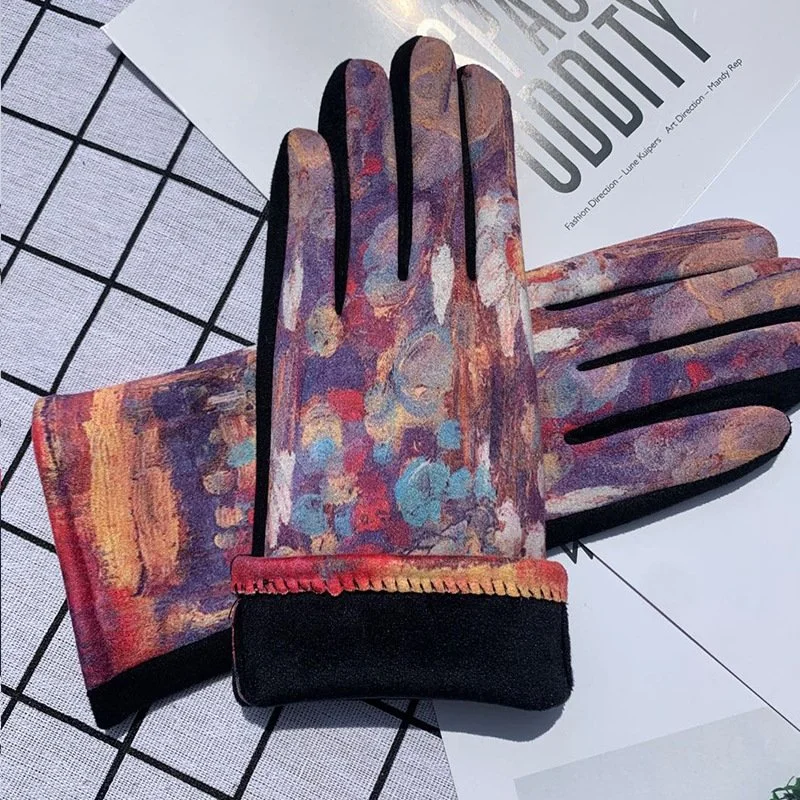
Your head and hands are where you lose the most heat, but they are also where layering can go wrong. A bulky scarf can ruin a streamlined coat, and ill-fitting gloves can make you look like you are trying too hard. The goal is to choose accessories that add warmth without adding visual weight. This is where specific product choices matter. We have selected a few items that balance function and style for the urban commuter.
Headwear: Protecting Without Bulk
Hats are the most challenging accessory to layer. A beanie that is too tight will leave marks on your hair, while one that is too loose will slide down over your ears. You need a hat that sits high on the head, leaving room for hair volume, and has enough structure to stay in place in the wind.
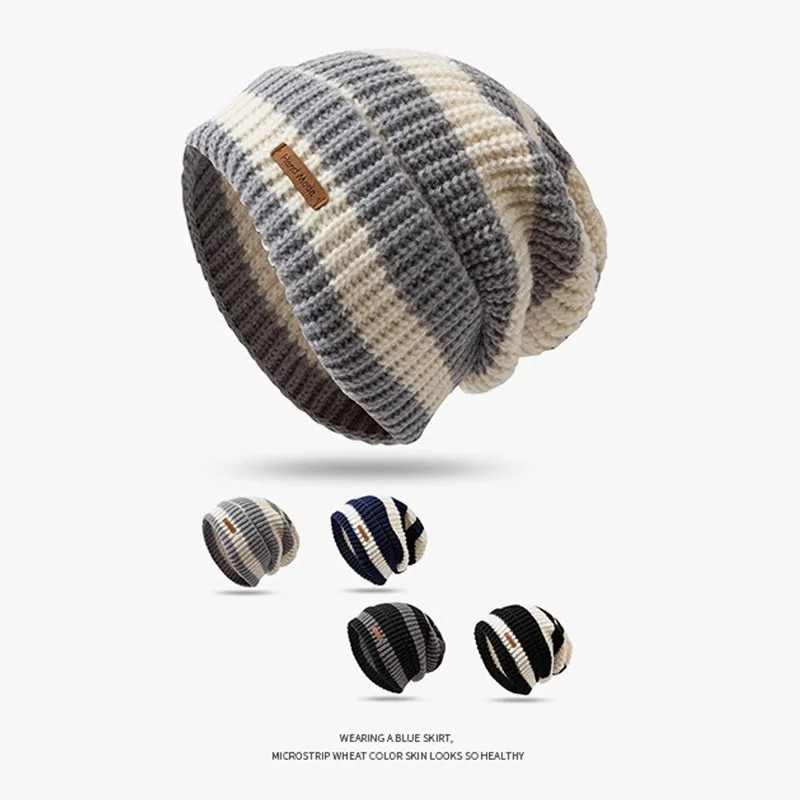
For a chic, professional look, a structured hat is often better than a slouchy beanie. The Warm Stripe Cap Is a great example of this. It is a loose-fit woolen cap featuring Japanese stripe letters. The loose fit means it does not compress your hair, and the wool material provides warmth without the bulk of a knit beanie. The one-size-fits-all design makes it easy to grab and go, and the simple stripe pattern is neutral enough to pair with any coat color.
- Pro: The loose fit accommodates most head sizes and hairstyles without feeling tight.
- Pro: The wool material is warm and breathable, preventing overheating during indoor transitions.
- Con: The "Japanese stripe letters" design is specific; if you prefer a solid color, this may not match your entire wardrobe.
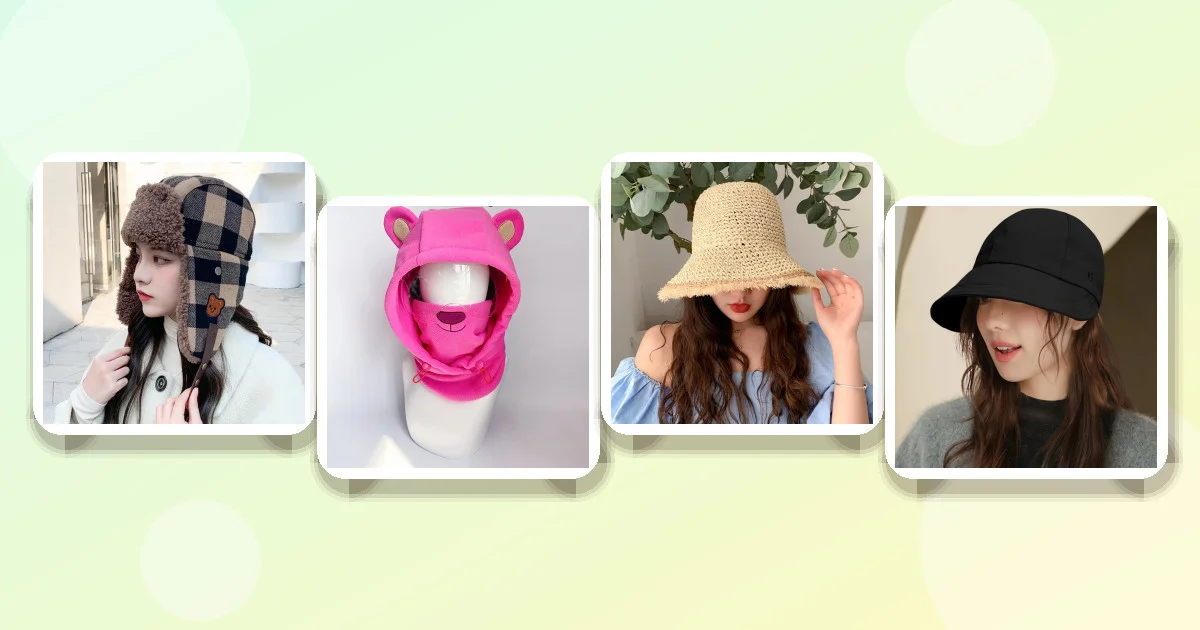
If you are a cyclist or walk in very windy conditions, you need more protection. The Warm Cycling Earflaps Hat Is a thermal, windproof option designed for cold weather cycling. It features earflaps that keep your ears warm and cozy, which is critical if you are commuting by bike or walking in gusty winds. The thermal material is designed to trap heat effectively, and the windproof nature of the fabric blocks cold air from penetrating.
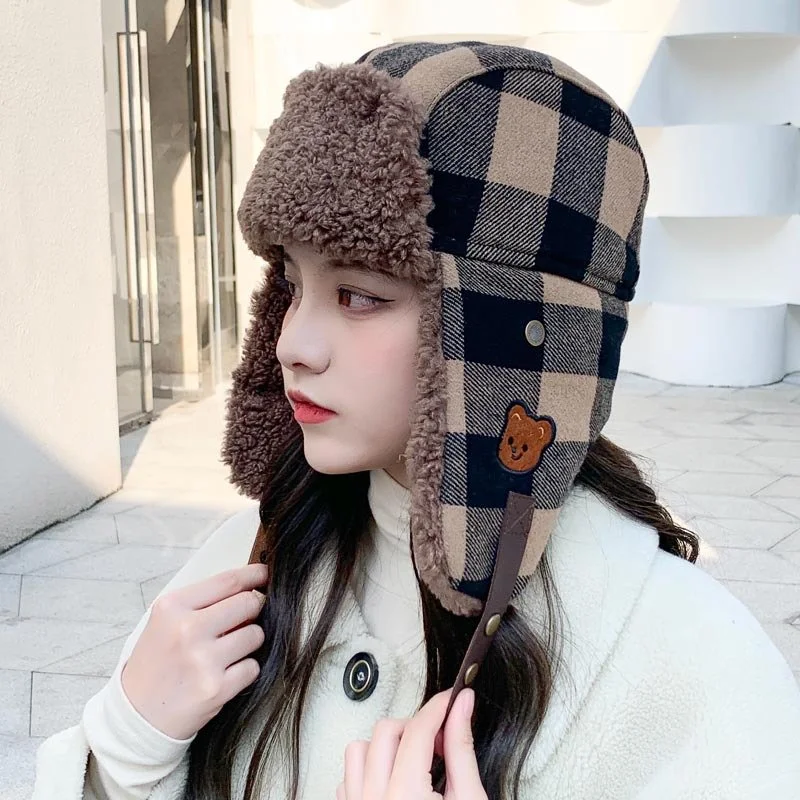
- Pro: Windproof and thermal construction provides superior warmth for outdoor activities.
- Pro: Earflaps offer targeted warmth for ears, which are often the first body part to feel cold.
- Con: The plaid patterns (Black Rice, Gray, Black Khaki) are casual and may not suit a strict corporate dress code.
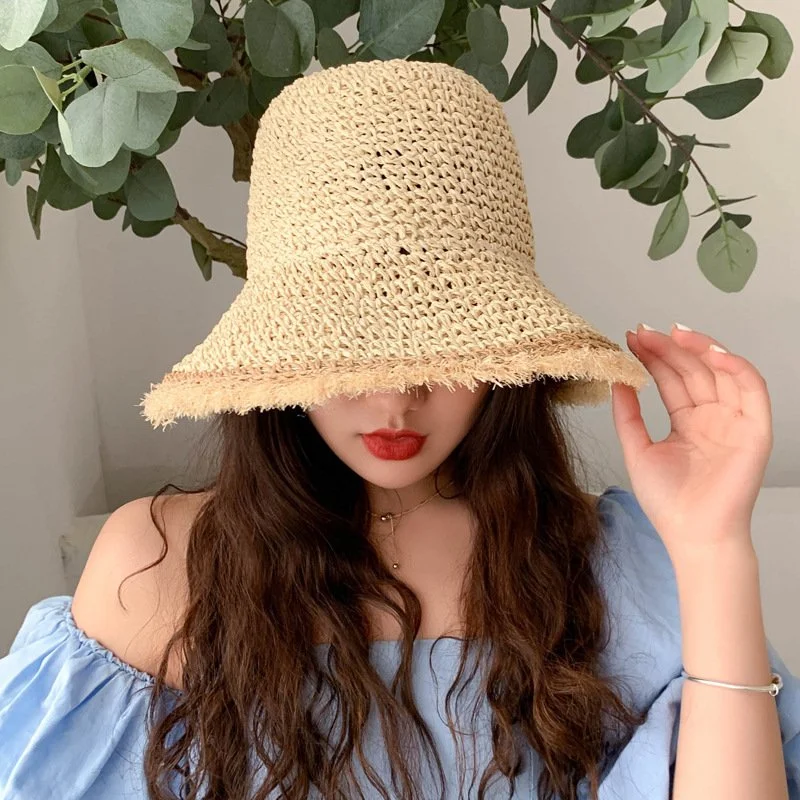
For those who prefer a more stylish, less practical approach on milder fall days, the Slouchy Face-Slimming Sun Hat Offers a different aesthetic. While it is marketed as a sun hat, the pure cotton material and breathable design make it suitable for early fall days when temperatures are mild (50-60 degrees). The dome crown style creates a slimming effect on the face, which can be flattering if you are wearing a bulky coat that adds width to your silhouette. It is a lightweight option that does not add heat, making it ideal for days when you are warm but want to protect your hair from wind.
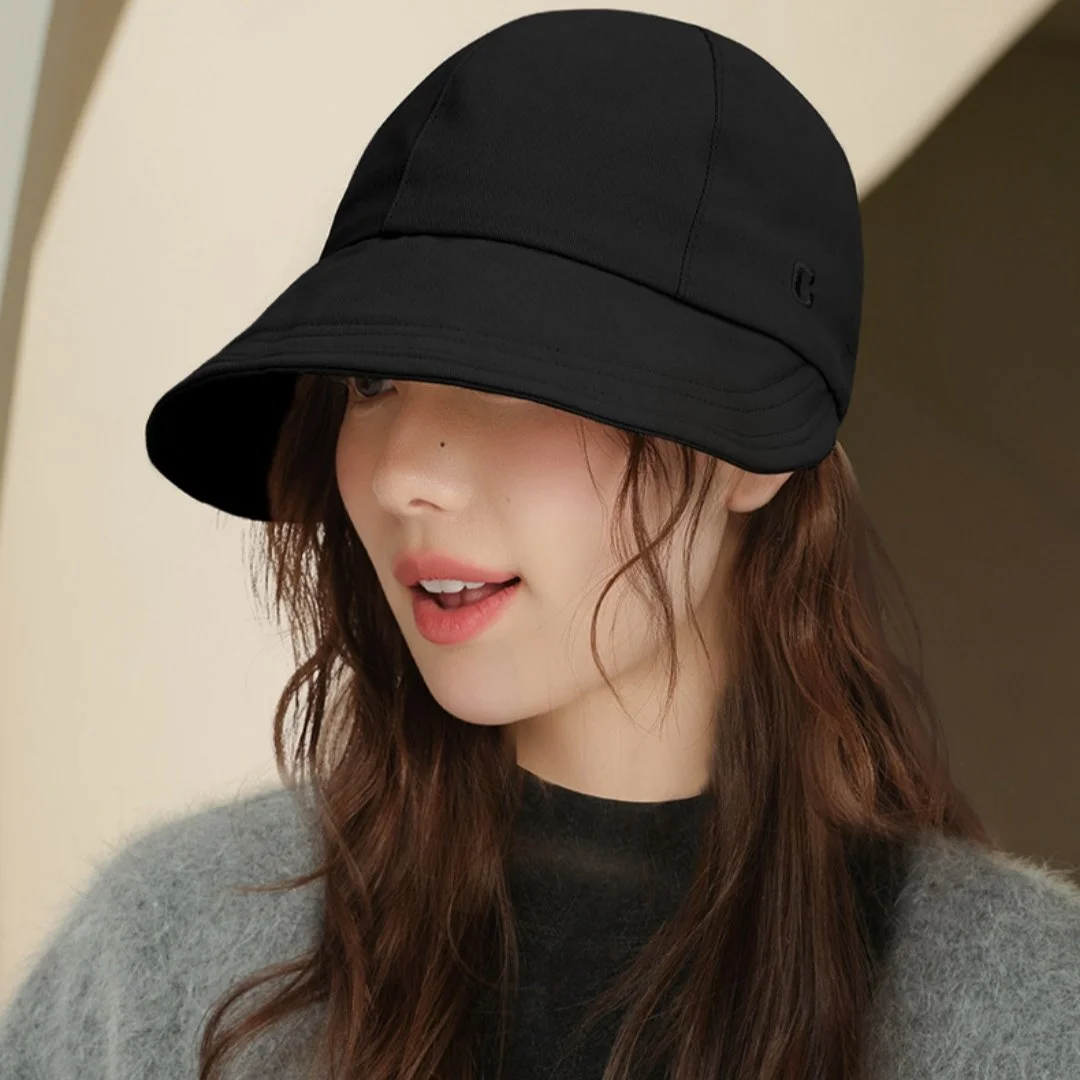
- Pro: Made from pure cotton, it is breathable and comfortable for mild weather.
- Pro: The face-slimming design helps balance out the width of a bulky coat.
- Con: Not suitable for cold weather; it provides no insulation against wind chill below 50 degrees.
If you work outdoors or have a very long commute in peak winter, the Warm Ski Hat Is a robust option. It is a windproof and warm cartoon ski helmet hat, designed for outdoor skiing. While the cartoon designs (Strawberry bear, Lamb, Lop rabbit, etc.) are playful and cute, the functionality is high-end. It is designed to keep you warm in extreme cold, which means it will definitely keep you warm on a frigid winter commute. The windproof nature of the hat blocks cold air, and the warm material traps heat.
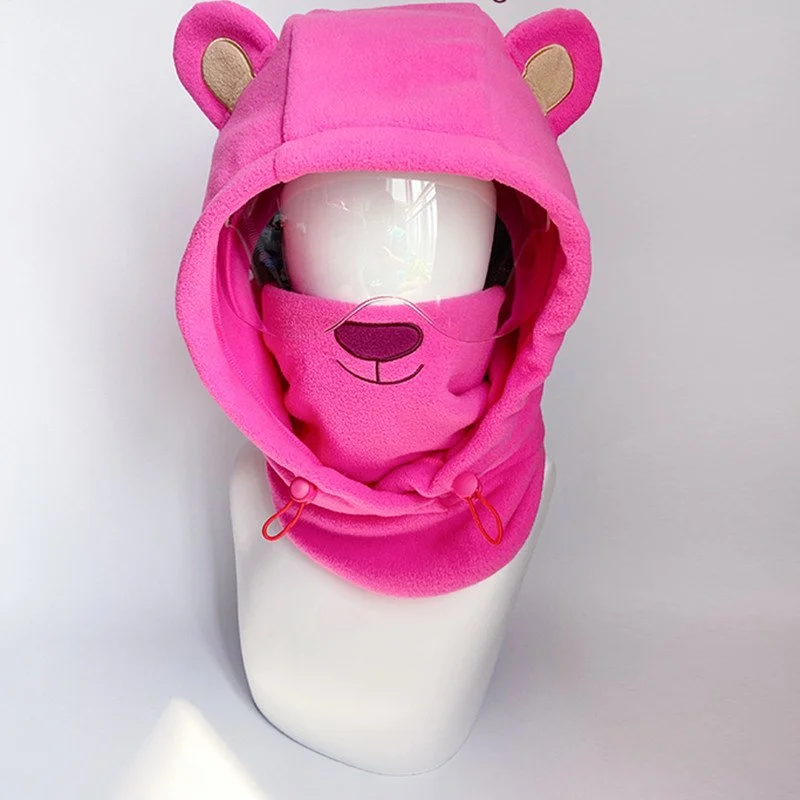
- Pro: Highly windproof and warm, suitable for extreme cold conditions.


