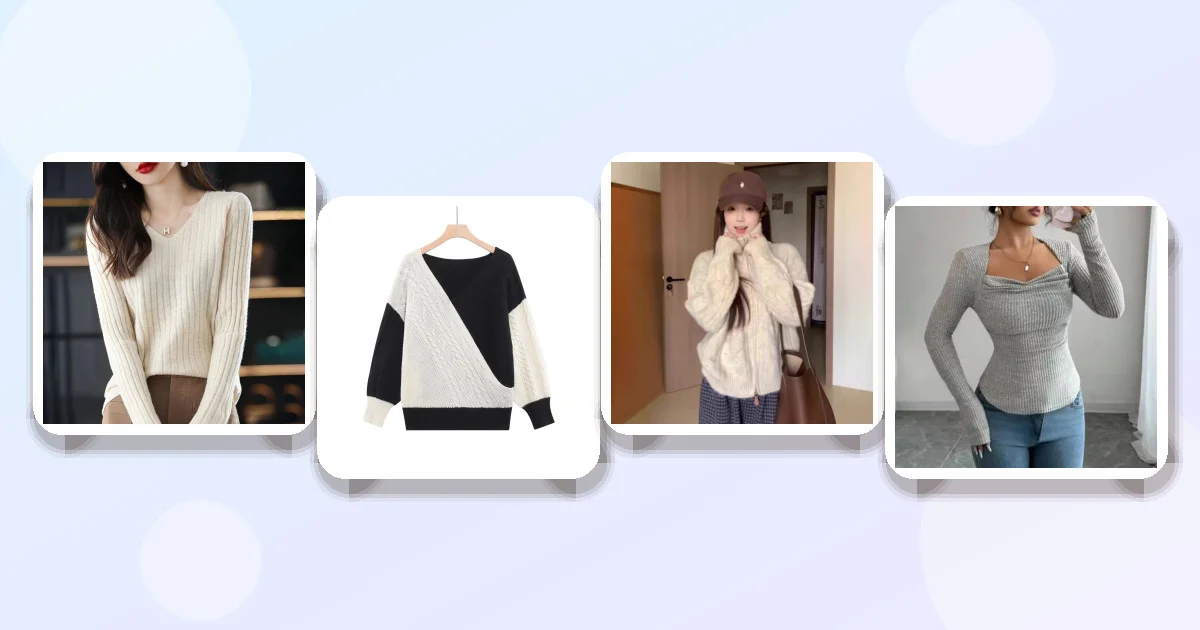
It is frustrating to put on your favorite sweater and then struggle to zip up your jacket. Or, worse, to look like you are wearing a space heater under your blazer. Many women buy sweaters that look great on their own but fail completely as a mid-layer. The problem is usually not the color or the style; it is the fit and the fabric weight. A sweater that is too thick adds inches to your torso. A sweater that is too loose creates wrinkles and bunching under outerwear. A sweater that is too tight restricts movement and pulls at the seams when you sit down. This guide solves that problem. You will learn exactly how to measure for layering, which fabrics work best for different temperatures, and how to style specific cuts to keep your silhouette clean. Whether you are heading into a cold office or a brisk park, the right mid-layer makes the difference between comfortable and cumbersome.
- Understanding Fit: Why "Regular" is Often Too Big
- Fabric and Weight: The Science of Warmth Without Bulk
- Neckline Styles: V-Necks vs. Turtlenecks for Layering
- Product Comparison: Our Top Picks for Fall Layering
- Common Mistakes to Avoid When Buying Layering Sweaters
- Care and Styling Tips for Long-Lasting Knits
- Frequently asked questions
- Key takeaways
Understanding Fit: Why "Regular" is Often Too Big
Most sweater sizing charts are designed for wearing the garment as the outermost layer. This means the designer expects you to have room to move, breathe, and potentially wear a thin shirt underneath. For layering, this extra room becomes a liability. If you buy a sweater that fits perfectly as a standalone piece, you will likely find it too bulky when you add a blazer or a trench coat on top. The goal for a mid-layer is a "snug but not tight" fit. The sweater should follow the line of your body without pressing into your skin. It should not have excess fabric hanging at the waist or sleeves that bunch up at the wrists.
How to Measure for a Layering Fit
To find the right size, you need to measure your body, not just look at the size tag on the sweater. Start with your bust or chest. Use a soft measuring tape and hold it snugly around the fullest part of your chest. Do not suck in your stomach or pull the tape tight; you want the actual measurement. Next, measure your waist at your natural waistline, which is usually just above your navel. Finally, measure your hip at the widest point. Compare these numbers to the specific size chart of the sweater you are buying. Many online retailers, especially those shipping from Asia, use measurements that differ from US or EU standards. Always check the specific garment measurements in centimeters or inches rather than relying on the letter size (S, M, L). If your bust measurement falls between two sizes, choose the larger size only if the sweater is a slim fit. If it is a regular fit, you might be able to get away with the smaller size if you plan to wear it under a loose jacket. However, for a fitted blazer, you will often need to size down from your usual "outerwear" size.
The Importance of Sleeve Length
Sleeve length is a detail many people ignore until they try to layer. If your sleeves are too long, they will bunch up at your wrists when you pull on a jacket. This creates wrinkles and can make your hands feel cold if the jacket cuffs are tight. If your sleeves are too short, they will ride up when you raise your arms, exposing your skin and breaking the clean line of the layer. For a sweater to work well under a blazer, the cuff should end exactly at the base of your thumb or just slightly above it when your arms are relaxed. If the sweater has ribbed cuffs, they should lie flat against your wrist without excessive stretching. If you find that the sleeves are slightly too long, you can often tuck them into a longer outerwear sleeve. But if they are too short, there is no fix. When trying on a sweater for layering, raise your arms overhead. If the sleeves pull up significantly, the body of the sweater is likely too tight or too short, which will cause discomfort when you sit down in a car or an office chair.
Length and Proportion
The length of the sweater determines how it interacts with your bottom layer. For a polished look under a blazer, the sweater should end at your natural waist or just below it. This allows your pants or skirt to show a clean line. If the sweater is too long, it will bunch up at your waist, creating a bulky look that is hard to smooth out. If it is too short, it may ride up when you sit, exposing your midriff. A mid-length sweater is the safest bet for daily wear. It provides enough coverage to stay tucked or untucked as needed, and it does not create excessive bulk at the hips. When buying an online, check the "total length" measurement. Measure from the highest point of the shoulder down to the bottom hem. Compare this to your own torso length. If the sweater is more than 2-3 inches longer than your torso, it may be too long for layering under fitted jackets.
Fabric and Weight: The Science of Warmth Without Bulk
Not all knits are created equal. The weight of the fabric, often measured in grams per square meter (GSM) or simply described as light, medium, or heavy, determines how much warmth and bulk the sweater adds. For layering, you generally want a light to medium weight knit. Heavyweight knits, often called "chunky" or "cable" knits, are best worn as the outer layer or in very cold weather when you are not wearing a jacket over them. They are too thick to fit under a blazer or a fitted coat. Lightweight knits, such as fine merino wool or thin cotton blends, are ideal for early fall or indoor office wear. They provide a thin layer of warmth that does not add visual weight to your outfit.
Fine Merino Wool
Fine merino wool is one of the best materials for layering. It is naturally temperature-regulating, meaning it keeps you warm when it is cold and cool when it is warm. It is also moisture-wicking, which helps manage sweat if you move between a cold outdoor environment and a warm office. Merino wool is fine enough to be smooth against the skin, reducing the risk of irritation. However, it can be more expensive than synthetic alternatives. When choosing merino for layering, look for a "fine" or "superfine" grade. These grades are softer and less likely to pill. Avoid coarse merino, which can feel scratchy and is often thicker than you need for a mid-layer. If you are sensitive to wool, look for blends that include a small percentage of cashmere or silk to soften the texture.
Cotton and Cotton Blends
Cotton is a breathable, natural fiber that is great for milder fall weather. It is less insulating than wool but is excellent for managing moisture. A fine-gauge cotton knit is a popular choice for layering because it is smooth, durable, and easy to care for. Cotton blends, such as cotton-polyester or cotton-nylon, often offer the best of both worlds. They provide the breathability of cotton with the durability and shape-retention of synthetics. Cotton knits can be prone to pilling if not cared for properly, so look for a tight weave. A tight weave means the fibers are held together more securely, reducing the chance of loose ends that form pills. Cotton is also less likely to cause allergic reactions than wool, making it a good option for those with sensitive skin.
Synthetic Fibers: Polyester, Acrylic, and Nylon
Synthetic fibers are often misunderstood. While they are not as breathable as natural fibers, they are excellent for specific layering needs. Polyester, for example, is durable, wrinkle-resistant, and holds its shape well. This makes it a good choice for sweaters that will be worn frequently and need to look crisp under a blazer. Acrylic is a wool substitute that is lightweight and affordable. It is a good option for casual layering, especially if you are on a budget. However, acrylic can be less breathable and may feel warmer in humid conditions. Nylon is often used in blends to add strength and elasticity. A sweater with a small percentage of nylon will stretch more and recover its shape better after being worn. When choosing a synthetic sweater for layering, look for a fine gauge. Thick synthetic knits can feel plasticky and heavy. A fine synthetic knit is smooth and lightweight, making it ideal for sliding under outerwear. Many of the products in our guide feature polyester or acrylic blends, which are practical choices for everyday wear due to their durability and ease of care.
Blends for Specific Needs
Blends allow you to customize the properties of your sweater. For example, a wool-polyester blend combines the warmth of wool with the durability of polyester. This is a great option for workwear because it resists wrinkles and maintains its shape. A cotton-modal blend offers the breathability of cotton with the softness and drape of modal. This is ideal for a sleek, professional look under a blazer. When reading a label, look at the percentage of each fiber. If a sweater is 50% wool and 50% acrylic, it will have the warmth of wool but the bulk and synthetic feel of acrylic. If it is 80% cotton and 20% polyester, it will be mostly breathable with added durability. Choose the blend that matches your climate and lifestyle. If you live in a humid city, prioritize breathability with cotton or merino. If you live in a dry, cold climate, a wool or wool-blend will keep you warmer without adding too much bulk.

Neckline Styles: V-Necks vs. Turtlenecks for Layering
The neckline of your sweater affects how it looks under other garments. It also affects how easy it is to remove and put on. For layering, you want a neckline that does not create excess fabric at the neck. This is where V-necks and turtlenecks differ significantly. Each has its place in a fall wardrobe, and understanding their pros and cons will help you choose the right one for your needs.
V-Necks
A V-neck is one of the most versatile necklines for layering. It creates a clean, elongated line that works well with collared shirts underneath. If you wear a button-down shirt under a V-neck sweater, the collar of the shirt will sit neatly against the V-shape, creating a polished look. V-necks are also less likely to bunch up at the neck than crew necks or turtlenecks. This makes them easier to wear for long periods, especially in a professional setting. The depth of the V is important. A shallow V is more conservative and works well with open-collar shirts. A deep V is more dramatic and can be worn with a turtleneck underneath for a layered look. For office wear, a medium-depth V is usually the safest choice. It is stylish but not too revealing. When choosing a V-neck for layering, check the width of the neckline. If it is too wide, it may expose too much of the shirt underneath, which can look messy. If it is too narrow, it may not accommodate the collar of a shirt. A medium V is generally the most adaptable.
Turtlenecks and Mock Necks
Turtlenecks are a classic fall layering piece. They provide extra warmth around the neck and look sleek under jackets and blazers. However, they can be bulky if the fabric is thick. A fine-gauge turtleneck is the ideal choice for layering. It is warm without adding too much bulk. Mock necks, which are shorter and looser than turtlenecks, are a great alternative if you find full turtlenecks too tight or itchy. Mock necks provide some neck coverage without the constriction of a full turtleneck. They are also easier to remove and put on. For casual outfits, a mock neck is often a more comfortable choice. For formal or professional outfits, a fine turtleneck looks more polished. When choosing a turtleneck for layering, pay attention to the height of the neck. A neck that is too high can be uncomfortable and may push up against your chin. A neck that is too short may not provide enough warmth. A medium-height turtleneck is usually the most versatile. It provides good coverage without being too restrictive.
Crew Necks
Crew necks are the most common neckline style, but they can be tricky for layering. A standard crew neck can create a lot of fabric at the neck, especially if you wear a collared shirt underneath. This can look bulky and messy. If you choose a crew neck for layering, look for a slim fit and a fine gauge. A slim crew neck will sit closer to the body, reducing the amount of excess fabric. It is best worn with turtlenecks or high-neck tops underneath, rather than collared shirts. Crew necks are also a good choice for casual layering, where you might wear a T-shirt or a simple top underneath. They are versatile and easy to style. However, for a professional look under a blazer, V-necks and turtlenecks are usually better options.
Product Comparison: Our Top Picks for Fall Layering
Based on the criteria of fit, fabric, and versatility, we have selected several sweaters that work well for layering. Each product has specific strengths and limitations. Here is a detailed look at each one, including what it is, who it is best for, and what you should know before buying.
| Product Name | Price | Type/Material | Size Options | Best For |
|---|---|---|---|---|
| Slim V-neck Pullover | $9.28 | Knit (Material not specified) | S-4XL (Asian Sizing) | Ultra-budget base layer under blazers |
| Plus Size Contrast V-neck | $29.84 | Acrylic Fiber | XL-5XL (Asian Sizing) | Plus-size fit with visual interest |
| Turtleneck Twist Zipper Cardigan | $26.48 | Polyester | Average Size (One Size) | Adjustable warmth for varying temps |
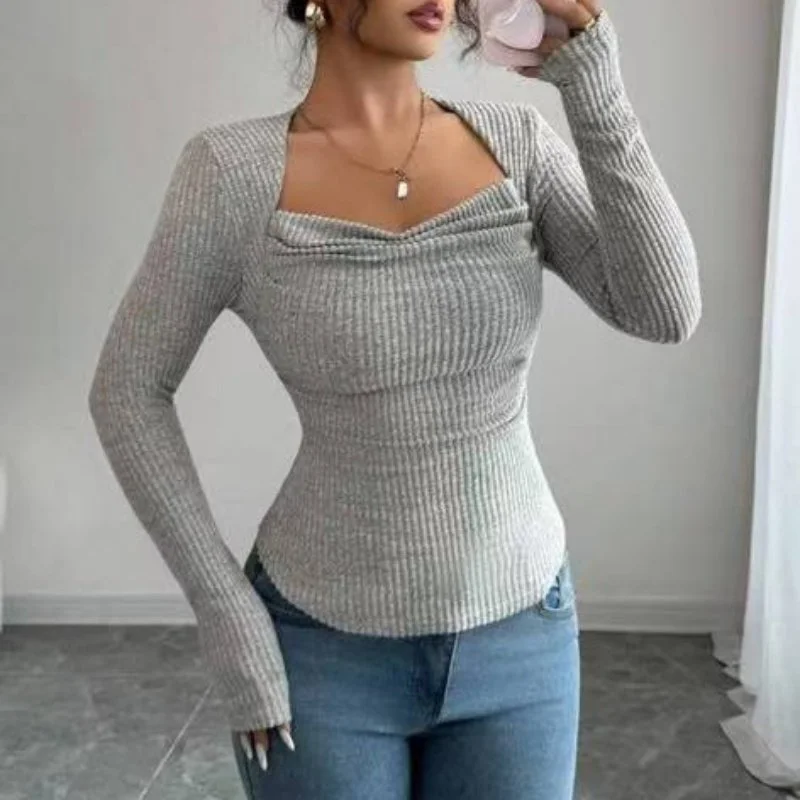
| Ribbed Square-Neck Top | $18.80 | Brushed Ribbed Fabric | S-XL | Workwear with a modern, elegant cut |
| Red A-Line Crew Neck Top | $14.76 | 100% Polyester | S-XXL | Casual layering with a pop of color |
| Loose Mock Turtleneck Tee | $14.08 | Not specified (Tee) | S-2XL | Effortless streetwear layering |
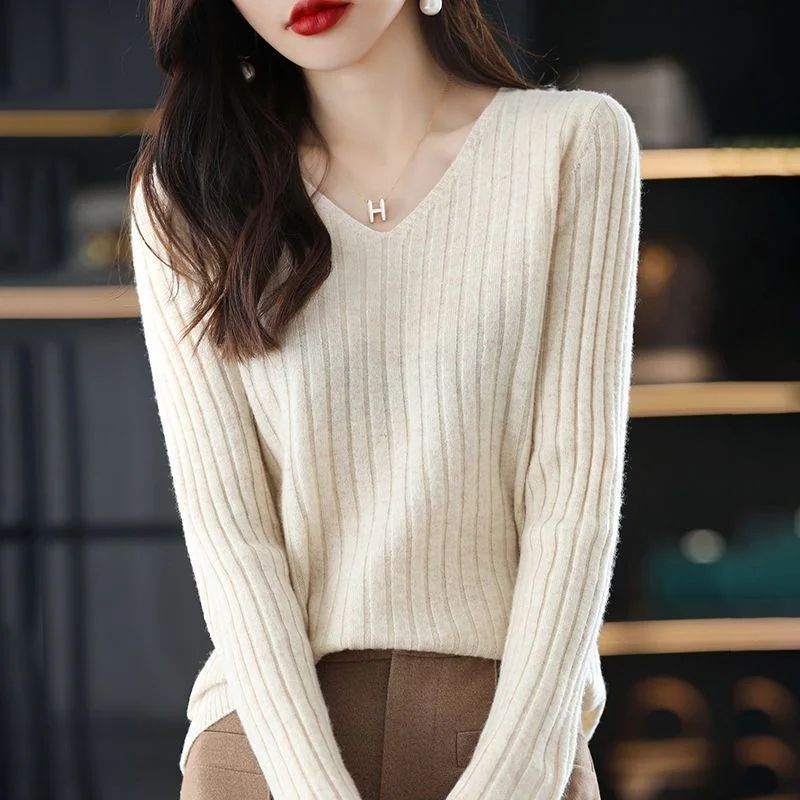
1. Slim V-neck Pullover Long Sleeve Knitted Sweater
This is a basic, slim-fit V-neck pullover designed for layering. It comes in a wide range of sizes, from S to 4XL, but note that it uses Asian sizing, which runs 1-2 sizes smaller than US/EU standards. The V-neck cut is ideal for wearing over a collared shirt, creating a clean, professional look. The price point is very low, making it a good option for buying multiple colors to rotate through your wardrobe.
Best for Women on a budget who need a reliable, slim-fit base layer for office wear under blazers or cardigans.- Pro: Very affordable, allowing you to buy several in different colors for easy rotation.
- Pro: Slim fit minimizes bulk, making it easy to fit under fitted jackets.
- Con: Material composition is not specified in the provided facts, so you should check the listing for fiber content to ensure it suits your skin sensitivity.
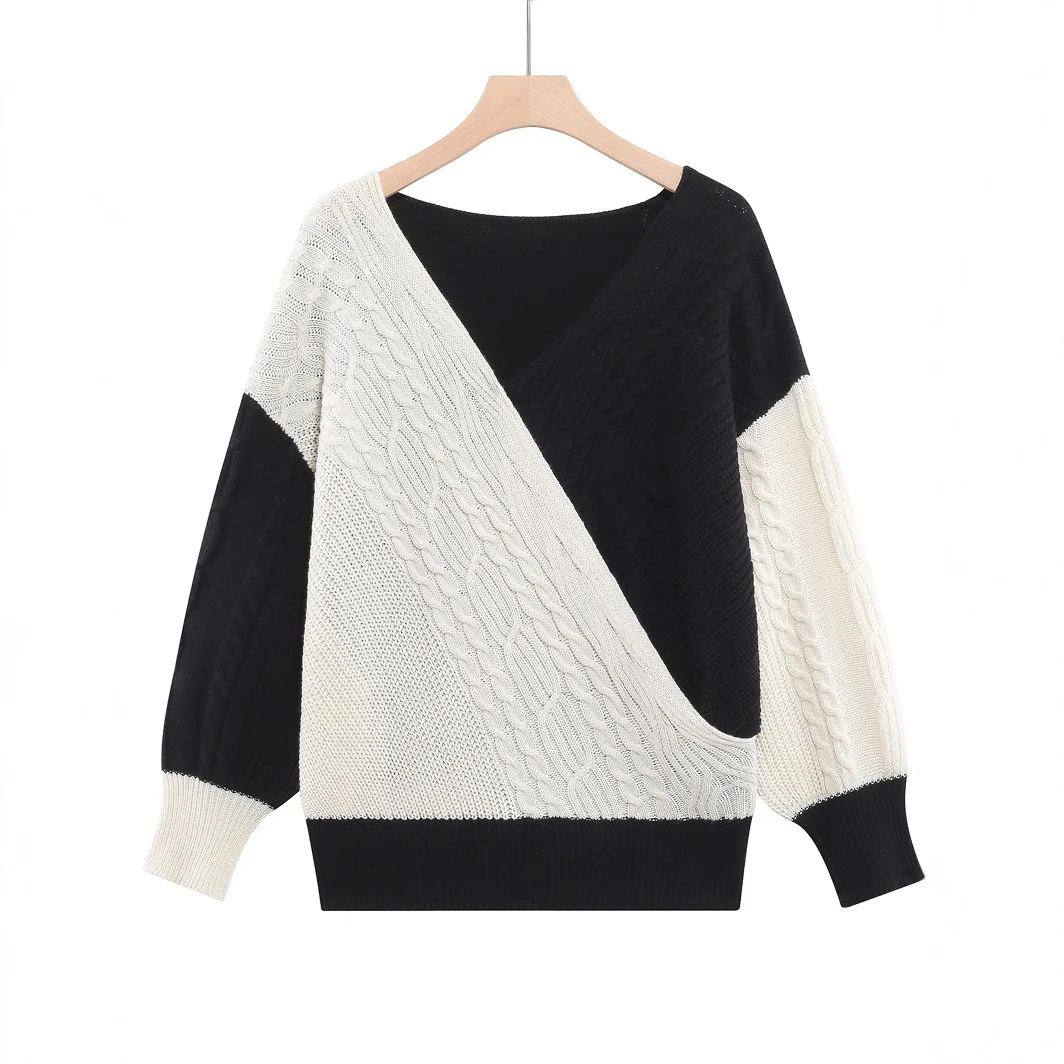
2. Plus Size Women's Black and White Contrast Color V-neck Long-sleeve Knitwear Top
This sweater is designed for plus-size wearers, offering sizes from XL to 5XL. It features a contrast color design, which adds visual interest to the layer. The material is acrylic fiber, which is durable and easy to care for. The V-neck style is classic and works well with various bottom layers. The Asian sizing note is important here; even though it is labeled plus size, the fit may still run small compared to US plus-size standards.
Best for Women who need a plus-size layering sweater with a stylish contrast detail that doesn't look boring.- Pro: Offers a wider range of plus sizes, which is often hard to find in slim-fit layering sweaters.
-
👍 Recommended
👍 RecommendedShop the storyAll products from this guide