
It is 4:30 PM on a Saturday in late October. The sun is dropping fast, the wind is picking up off the parking lot, and you are standing in a crowd that is slowly turning into a huddle of shivering fans. You wanted to look sharp for the game, but now you are sacrificing style for survival, stuffing your hands into your pockets and regretting that you didn't bring a coat thick enough to survive an arctic blast. The problem isn't just the cold; it's the unpredictability of sitting outside for three hours. You need an outfit that can handle a sunny 55-degree afternoon and a windy 40-degree evening without requiring you to strip down or bundle up like a penguin. This guide walks you through a practical layering strategy designed specifically for women attending outdoor NFL or college football games. We will focus on specific pieces that work together—a base, a mid-layer, and accessories—to create a "fall tailgate outfit" that is both functional and stylish. You will learn which materials to choose, how to avoid the common mistake of wearing too much cotton, and exactly what accessories make the difference between a comfortable evening and a miserable one.
The Three-Layer System: How It Works
Most people approach cold-weather dressing by adding layers randomly until they feel warm enough. This usually results in a bulky, heavy outfit that is hard to move in and hard to adjust when you get warm from cheering or walking. The solution is a structured system. Think of your outfit as three distinct jobs: managing moisture, trapping heat, and blocking wind. If you separate these functions, you can adjust each layer independently. If you get sweaty, you remove the mid-layer. If it gets windy, you add the outer shell. This modularity is the key to staying comfortable for a long outdoor event.
Layer 1: The Base (Moisture Management)
Your base layer is the piece that touches your skin. Its job is not to keep you warm, but to keep you dry. When you are standing in a crowd or walking to the stadium, your body generates heat. If that heat turns into sweat and stays on your skin, it will cool you down rapidly once you stop moving. Cotton is the enemy here because it absorbs moisture and holds it against your body. Instead, look for fabrics like merino wool, synthetic blends, or high-quality thermal underwear. For a fall game, you likely do not need heavy thermal underwear. A simple, fitted long-sleeve top made from a smooth, breathable fabric is sufficient. It should fit close to your body without being restrictive. If you are prone to running cold, a lightweight thermal set is a good investment. If you run warm, a simple cotton-blend t-shirt might work, but be prepared to bundle up more once the sun goes down. The goal is a dry, comfortable foundation that allows air to circulate slightly to prevent overheating.
Layer 2: The Mid-Layer (Insulation)
This is where you trap heat. The mid-layer is your primary source of warmth. It should be thick enough to provide insulation but thin enough to fit under an outer shell. Sweaters are the classic choice for this layer. Look for knits that have some loft, such as chunky knits, cable knits, or fleece-lined materials. The thickness of the knit matters. A very fine gauge knit will look elegant but may not provide enough warmth for a windy evening. A chunky knit provides more air pockets, which trap body heat more effectively. However, bulky knits can make your outfit look boxy. The trick is to choose a sweater that fits well. It should not be baggy, as excess air space creates a gap where cold air can circulate. A fitted or slightly relaxed fit works best. This is also the layer you will remove if you get too warm. It is the "adjustable" layer of your outfit. For a tailgate, a V-neck or crew neck sweater is versatile because it can be worn over various base layers. If you are planning to sit for a long time, an oversized sweater can act as a blanket, but be careful that it doesn't restrict your arm movement when reaching for snacks or drinks.
Layer 3: The Outer Shell (Protection)
The outer layer protects you from the elements. In a fall tailgate setting, you are not dealing with heavy rain or snow, but you are dealing with wind and a drop in temperature. A heavy parka is often overkill because it is too hot for the early afternoon and too bulky for sitting in a stadium seat. Instead, look for a wind-resistant jacket, a denim jacket, or a lightweight bomber. The key feature here is wind resistance. Wind chill is what steals your body heat. A dense fabric like denim or a nylon-blend windbreaker blocks that wind. If you are going to a very cold game, a quilted jacket is a good option. It provides insulation without being as heavy as a down parka. The outer layer should be easy to put on and take off. Zippers or snap closures are better than buttons because they are faster to adjust. Also, consider the length. A hip-length jacket is easier to move in, while a knee-length coat provides more coverage for your legs if you are standing for long periods. For a tailgate, a hip-length or mid-thigh length is usually the sweet spot. It allows you to sit comfortably and walk freely without dragging your hem.
How to Choose Your Pieces: Materials and Fit
Knowing the theory of layering is one thing, but selecting the right pieces is another. Not all sweaters, shirts, and jackets are created equal. The material you choose will determine how warm you actually get and how long you stay comfortable. Here is what to look for when shopping for your game day kit.
Material Matters: Wool vs. Synthetic vs. Cotton
Wool is the gold standard for cold-weather layering. Specifically, merino wool is lightweight, odor-resistant, and regulates temperature well. It keeps you warm when it is cold and allows you to breathe when you are active. However, wool can be expensive. Synthetic materials like polyester and nylon are excellent for base layers and outer shells. They are quick-drying and wind-resistant. They are also more affordable. Cotton is comfortable, but it is poor for cold, damp conditions. It absorbs moisture and loses its insulating properties when wet. If you are wearing a cotton shirt, make sure it is not your only layer. Use it as a base under a warm sweater, but avoid wearing a thick cotton sweater as your mid-layer if you expect to sweat. For a fall game, a blend of wool and synthetic fibers offers a good balance of warmth, durability, and cost. Check the label. Look for percentages. A sweater that is 50% wool and 50% acrylic is a good compromise. It has the warmth of wool and the durability of acrylic.
Fit and Sizing: Avoiding the Bulk Trap
Many women make the mistake of buying oversized layers to "allow room" for other clothes. This is a common error. If your mid-layer is too big, it creates air pockets that do not trap heat efficiently. It also makes your outfit look sloppy and bulky. The best fit for a mid-layer sweater is "snug but not tight." You should be able to move your arms and bend your elbows without the fabric pulling uncomfortably. For the outer layer, you need a little more room. It should fit over your mid-layer without squeezing your shoulders. Check the shoulder seam. It should sit right on the edge of your shoulder, not hang down your arm. If the shoulder seam is too low, the jacket will look slouchy. If it is too high, it will restrict your movement. When trying on a jacket, wear the sweater you plan to wear underneath. Do not try on a jacket with just a t-shirt if you know you will be wearing a thick sweater. This is the most common sizing mistake. Always dress in the full stack when trying on outerwear. If you are between sizes, size up for the outer layer and size true for the mid-layer. This ensures you have room to adjust without feeling cramped.
Color and Style: Styling for the Camera
While function is the priority, style matters. You are going to take photos. You want to look good in them. Neutral colors like black, gray, navy, and beige are versatile and easy to mix and match. They also hide dirt and grass stains better than light colors. If you want to add a pop of color, use accessories. A bright scarf or a colorful hat can brighten up a neutral outfit. Patterns like plaid are a classic for fall and football. They add visual interest without being too loud. When choosing a sweater, consider the neckline. A V-neck shows off a necklace and adds a feminine touch. A crew neck is more casual and cozy. A turtleneck is the warmest option, but it can look bulky. If you choose a turtleneck, make sure it is a thin gauge knit so it doesn't add too much volume to your neck. Avoid heavy embellishments like large chains or sequins. They can get caught on seats or other people’s clothes and are not practical for a long outdoor event. Keep it simple and clean. Solid colors or subtle patterns are the safest bets.

Product Comparison: Key Pieces for Your Kit
Let’s look at specific items that fit into this layering strategy. I have selected a few pieces that address different parts of the outfit. Each one serves a specific purpose. Here is a comparison of how they stack up.
| Product | Price | Type/Material | Options | Best For |
|---|---|---|---|---|
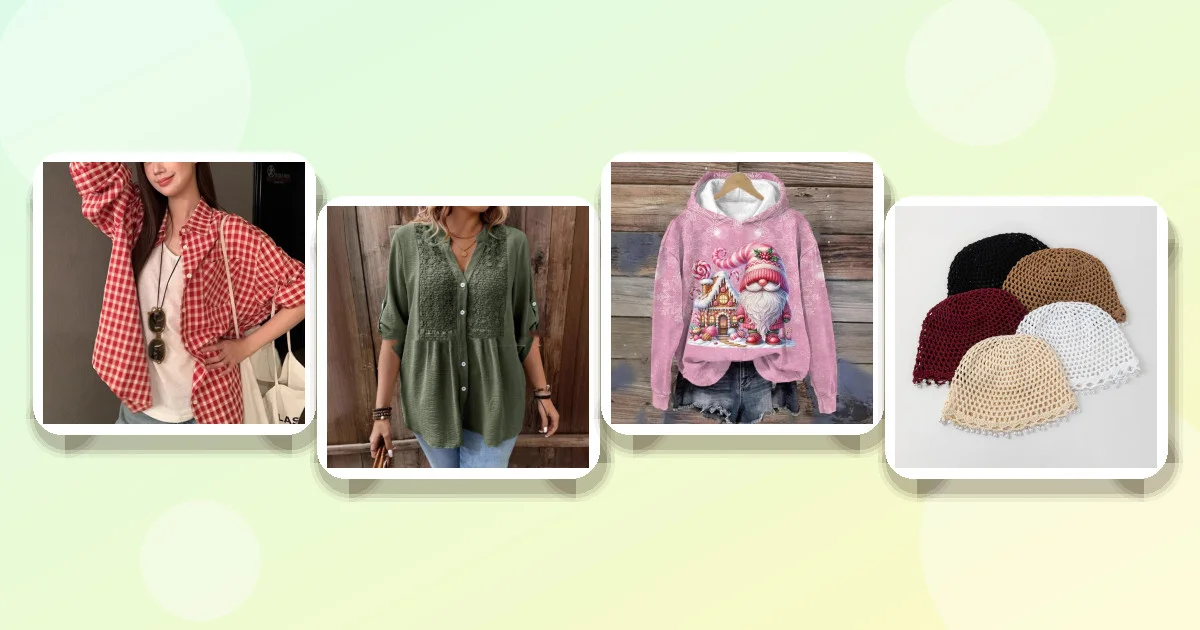
| Red Plaid Shirt Cardigan | $18.12 | Shirt-style cardigan | Various | Adds a classic fall look; easy to layer over a base |
| Plus-size Lace Patchwork V-neck | $23.20 | Lace patchwork button-up | Plus sizes | Stylish mid-layer for curvier figures; adds texture |
| Festive 3D Christmas House Hoodie | $21.16 | Printed hoodie/pullover | Pink, S-XXL | Casual, festive option; good for colder evenings |
| Handmade Woolen Beanie | $10.80 | Hand-knitted wool | 5 Colors, One-size | Head protection; lightweight and stylish |
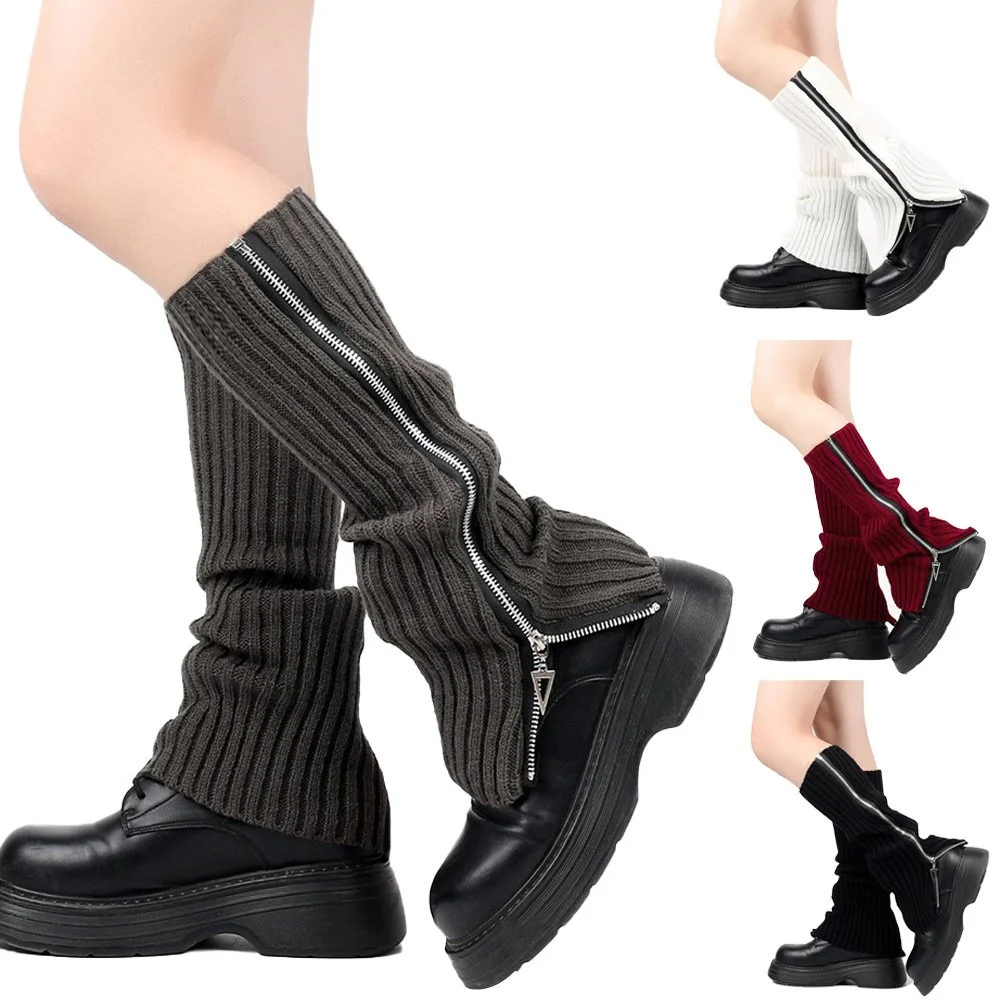
| Cozy Women's Woolen Yarn Socks | $7.12 | Woolen yarn | 7 Colors, One-size | Foot warmth; machine washable |
| High-Elastic Shiny Pantyhose | $4.36 | Nylon tights | 4 Colors, Free Size | Base layer for legs; snag-resistant |
Top Pick: The Red Plaid Shirt Cardigan
Red Plaid Shirt Cardigan Women's Long Sleeve Jacket
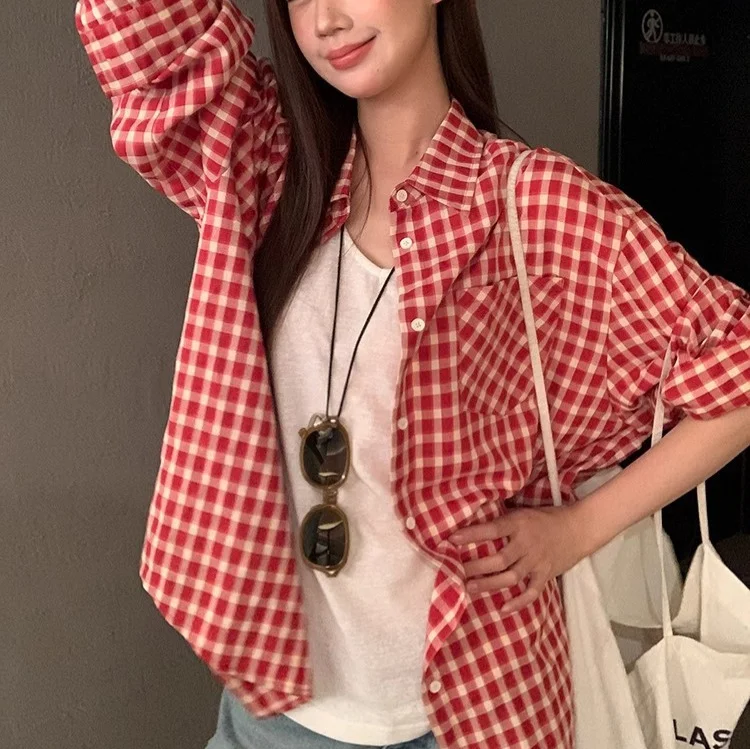
This piece is a staple for fall fashion. The plaid pattern is synonymous with autumn and football season. It serves as a mid-layer that you can button up for warmth or leave open for style. It is lightweight enough to wear under a jacket but thick enough to provide some insulation. The shirt-style design makes it look more polished than a standard sweater, which is great if you want to look put-together for a tailgate.
- Pro: Classic plaid pattern is versatile and on-trend for fall.
- Pro: Button-up design allows for easy temperature adjustment.
- Con: Check the fabric weight; if it is too thin, you may need an additional layer underneath.
Top Pick: Plus-size Lace Patchwork V-neck Button-up
Plus-size Lace Patchwork Design V-neck Button-up
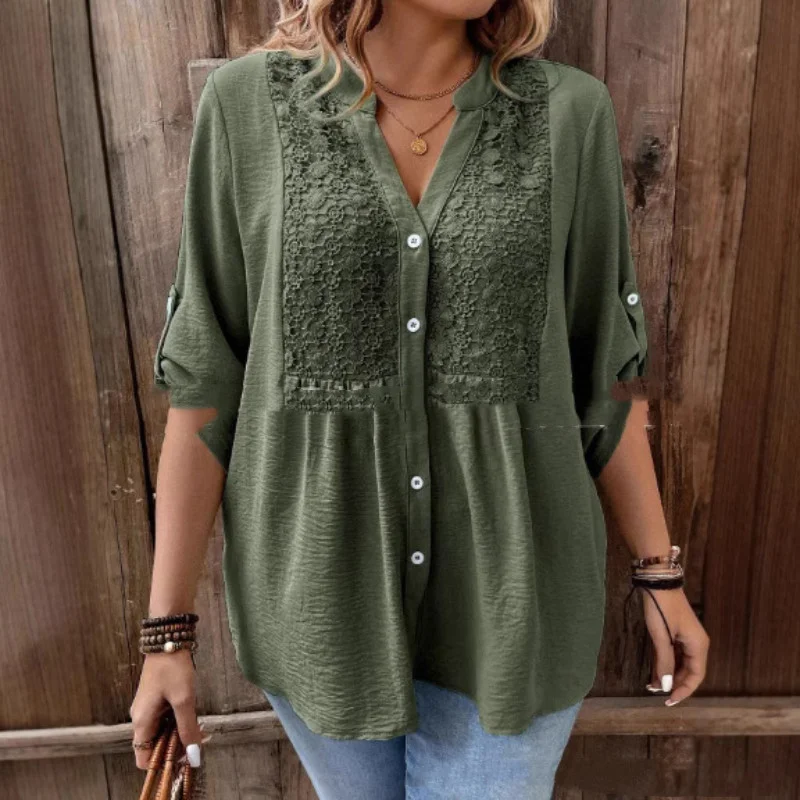
For plus-size women, finding a mid-layer that fits well and looks stylish can be challenging. This lace patchwork top offers a feminine detail with a V-neck that prevents bulk around the neck. The button-up front allows you to control how much warmth you trap. The lace adds texture that looks great in photos. It is a specific solution for a specific body type that is often overlooked in generic fashion advice.
- Pro: Designed for plus-size fits, ensuring better proportion.
- Pro: Lace detail adds visual interest without adding bulk.
- Con: Lace can be delicate; check for durability if you are rough with your clothes.
Top Pick: Festive 3D Christmas House Print Hoodie & Pullover Sweater
Festive 3D Christmas House Print Hoodie & Pullover Sweater

While the title mentions Christmas, the style is a cozy pullover that works for any cold day. The 3D print adds a fun, casual element. It is a great option if you prefer hoodies over sweaters. The hood provides extra protection from wind. It is available in pink, which is a bold choice, but the cut is comfortable. This is a more casual option, best for college games or casual tailgates where you don't need to look formal.
- Pro: Hood provides extra wind protection for the neck and head.
- Pro: Comfortable, relaxed fit is good for sitting for long periods.
- Con: The 3D print may not be suitable for more formal tailgates.
Essential Accessories: Where the Heat Escapes
You can wear the thickest sweater in the world, but if your head and hands are exposed, you will still feel cold. The majority of your body heat escapes through your head, hands, and feet. This is why accessories are not optional; they are essential. Here are the specific items you need to complete your cold-weather kit.
The Beanie: Protect Your Head
Your head is one of the largest areas for heat loss. A beanie is the most effective way to keep your head warm without adding bulk to your neck. Look for a beanie made from wool or a wool blend. It should be thin enough to fit under a jacket hood but thick enough to provide insulation. A beanie also adds a stylish touch to any outfit. It can tie the colors of your outfit together. For example, if you are wearing a red plaid shirt, a red or black beanie will match perfectly. Avoid beanies with large pom-poms or heavy embellishments, as they can get caught on things. A simple, clean beanie is the most versatile. It can be worn pulled down over your ears for maximum warmth or pushed up to show your hair for a more stylish look.
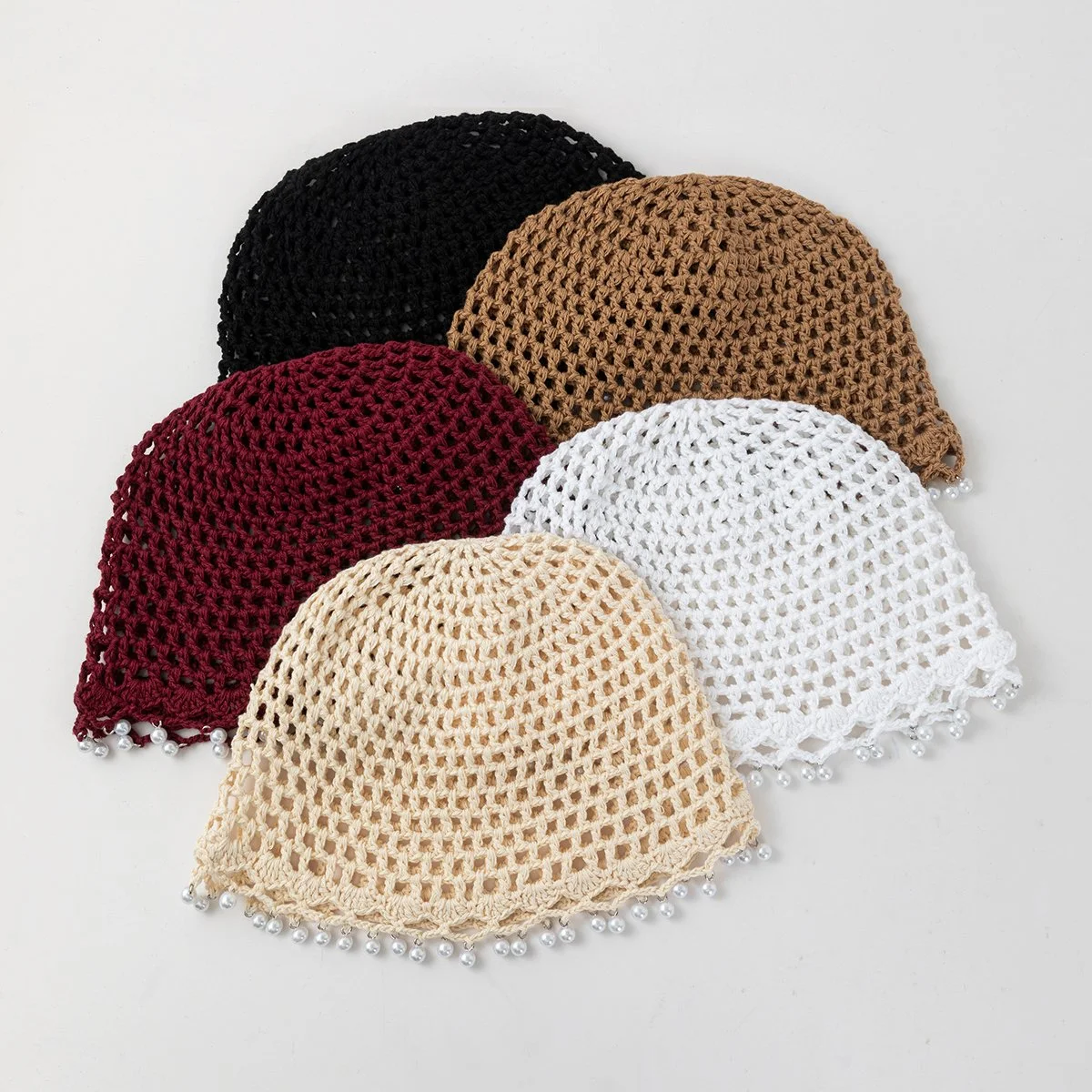
This handmade woolen beanie is a great option. It is described as thin and hollow out, which means it is lightweight and breathable. It is perfect for spring and autumn, making it ideal for a fall tailgate. It comes in various colors, including beige, black, white, khaki, and burgundy. The one-size fits all design means you don't have to worry about sizing issues. The hand-knitted quality adds a touch of craftsmanship and style. It is not too thick, so it won't make your head feel sweaty, but it provides enough warmth to keep the chill off.
- Pro: Lightweight and breathable, preventing overheating.
- Pro: Available in neutral colors that match most outfits.
- Con: Being thin, it may not be enough for extremely cold days below 30 degrees.
The Socks: Keep Your Feet Warm
Your feet are another major source of heat loss. If your feet are cold, you will feel cold overall. You need socks that provide insulation without being so thick that they don't fit in your shoes. Wool socks are the best choice. They wick moisture away from your feet and provide insulation even when damp. Cotton socks are a bad choice for cold weather because they absorb sweat and stay wet, leading to cold, uncomfortable feet. Look