You bought that sweater because it fit perfectly at the register. Then, one wash cycle later, it’s two sizes too small, with sleeves that cut off circulation and a body that feels like a vice. It’s a frustrating scenario, but it’s also a solvable one. Knitted fabrics are elastic by nature, and with the right technique, you can often restore their original dimensions or even expand them slightly to a more comfortable fit. This guide walks you through five specific methods to stretch out a tight sweater, tailored to different fiber types, so you can save your favorite pieces instead of tossing them in the donation bin.
- Understanding Knit Elasticity: Why Sweaters Shrink
- Method 1: The Soak and Block Technique (Best for Wool)
- Method 2: The Conditioner Stretch (Best for Synthetics)
- Method 3: The Hair Spray Hack (For Minor Adjustments)
- Method 4: The Towel Roll Method
- Prevention: How to Avoid Shrinkage in the First Place
- Recommended Sweaters with Sizing Guidance
- Common Mistakes to Avoid
- Frequently asked questions
- Key takeaways
Understanding Knit Elasticity: Why Sweaters Shrink
Before you grab a rubber band or a pair of clamps, it helps to understand what is happening to the fibers. Knitted garments are not woven; they are looped. When you wash a sweater, especially in hot water, the scales on wool fibers (or the polymer structure of synthetics) tighten up. This is called felting in the case of wool. Once wool fibers felt, they lock together, and the shrinkage is permanent. However, if the shrinkage is due to temporary moisture absorption and tension loss, the fibers can be coaxed back into place. Synthetic fibers like polyester, acrylic, and nylon behave differently. They do not felt. Instead, they can lose their "memory" if exposed to high heat, causing them to contract. Because they are plastic-based, they are more resilient to mechanical stretching than wool. If you pull a wet polyester sweater gently, it will often stay in that new shape once dry. Wool, on the other hand, requires a more delicate approach involving relaxation of the fibers rather than forceful pulling. Knowing the material is the first step in choosing the right fix. Check the tag inside your sweater. If it says 100% wool, use the soak method. If it says polyester, acrylic, or a blend, you have more flexibility with mechanical stretching. If it’s a cotton blend, be cautious, as cotton can shrink permanently with heat but is generally easier to stretch than wool.Method 1: The Soak and Block Technique (Best for Wool)
This is the gold standard for restoring wool sweaters that have shrunk. The goal is to relax the fibers so they can be reshaped. You need a clean, flat surface, a towel, and a gentle wool detergent.Step-by-Step Process
Fill a basin or clean sink with lukewarm water. It should feel like bath water—never hot. Add a small amount of wool-specific detergent or a mild, pH-neutral shampoo. Avoid regular laundry detergent, as it often contains enzymes and alkaline ingredients that can damage wool fibers.
Submerge the sweater and let it soak for 15 to 20 minutes. Do not agitate, scrub, or wring the sweater. Just let it sit. The water penetrates the fibers, allowing them to relax. After the soak, drain the water by pressing the sweater against the side of the basin to expel excess liquid. Never twist the sweater, as this distorts the shape and can cause permanent pilling.
Lay a large, dry, absorbent towel flat on a table. Place the wet sweater on top of the towel. Gently roll the towel up with the sweater inside to absorb more moisture. Unroll it, and you should have a damp, not dripping, sweater.
Now comes the critical part: blocking. Lay the sweater flat on a dry towel or a clean floor. Smooth out the seams and align the shoulders. If the sweater is too tight, you need to gently pull the fabric to your desired dimensions. Start with the body, then move to the sleeves. You are not trying to stretch it to the breaking point; you are trying to guide it back to a comfortable fit. Use safety pins or clothespins to secure the edges to the towel if needed, ensuring the shape holds while it dries.
Let the sweater dry completely. This can take 24 to 48 hours depending on humidity. Do not place it near a radiator or direct sunlight, as heat can cause shrinkage again. Once dry, the sweater should retain its new, larger shape.
Method 2: The Conditioner Stretch (Best for Synthetics)
Synthetic sweaters do not respond well to blocking in the same way wool does because they lack the natural crimp and scale structure of animal fibers. However, they can be stretched mechanically. Using a fabric softener or hair conditioner helps lubricate the fibers, making them more pliable.Step-by-Step Process
Wash the sweater in cold water with a mild detergent. Rinse it thoroughly. Do not put it in the dryer. Instead, wring out the excess water gently until it is damp but not dripping.
Lay the sweater flat on a clean towel. Apply a small amount of fabric softener or hair conditioner to the areas that need stretching. Focus on the chest, shoulders, and sleeves. The conditioner acts as a lubricant, reducing friction between the yarns.
Gently stretch the sweater in the direction you need. For a tight chest, pull horizontally. For tight sleeves, pull lengthwise. Be consistent and gentle. You are aiming for a uniform stretch, not a localized deformation. If you pull too hard in one spot, you will create a weak point that may tear later.
Let the sweater dry flat. As it dries, the conditioner evaporates, and the fibers settle into the new shape. You can repeat this process if you need more stretch, but it is usually effective in one or two rounds.
Method 3: The Hair Spray Hack (For Minor Adjustments)
If your sweater is only slightly tight, or if you want to maintain a specific shape without a full wash, the hair spray method is a quick fix. This works best on acrylic and wool blends.Step-by-Step Process
Lay the sweater flat on a clean surface. Lightly mist the areas you want to stretch with hair spray. The hairspray contains alcohol and resins that can help stiffen the fibers slightly, making them easier to manipulate without losing their shape immediately.
While the spray is still wet, gently stretch the sweater to the desired size. Pin the edges to a foam board or a towel to hold the shape. Let it dry completely. The resins in the hairspray help set the new dimensions. This method is less invasive than washing and is great for touching up a sweater that has stretched out in one area but remains tight in another.
Method 4: The Towel Roll Method
This method is useful for removing wrinkles and slightly relaxing tension in a sweater that has been stored tightly or folded for a long time. It is not a full resize technique but can help restore the natural drape of the fabric.Step-by-Step Process
Place the sweater on a flat surface. Roll it up tightly from the hem to the shoulders, like a sushi roll. Hold the roll and gently twist it to remove air and water (if damp). Then, unroll it and lay it flat. This process helps the fibers relax and return to their natural state. It is particularly useful for cashmere and fine merino wool that has been compressed in a drawer.
Prevention: How to Avoid Shrinkage in the First Place
The best way to stretch out a sweater is to never let it shrink. Most shrinkage is caused by heat and agitation. Here is how to protect your knitwear.Wash Cold, Dry Flat
Always wash sweaters in cold water on the gentle cycle. If you have a front-loading machine, use the wool or delicate cycle. If you have a top-loading machine, hand washing is safer. Agitation in a top-loader can twist and tangle the fibers, leading to felting in wool and distortion in synthetics.
Drying is where most people make mistakes. Never put a wool or synthetic sweater in a dryer. The heat shrinks the fibers, and the tumbling distorts the shape. Instead, lay the sweater flat on a drying rack or a clean towel. Reshape it while it is damp to ensure it dries in the correct dimensions.
Store Properly
Hang sweaters on padded hangers to avoid stretching the shoulders. If you have a limited number of hangers, fold sweaters loosely and store them in a drawer. Avoid overstuffing drawers, as compression can cause permanent creases and distort the fit. If you are storing a sweater for a long time, consider wrapping it in acid-free tissue paper to protect the fibers.
Read the Label
Always follow the care instructions on the label. Some sweaters are labeled "dry clean only." This is often because the fabric is delicate or has a construction that cannot withstand home washing. If you are unsure, take it to a professional dry cleaner who specializes in knitwear.
Recommended Sweaters with Sizing Guidance
If you are looking to replace a shrunk sweater or add to your knitwear collection, choosing the right size from the start is crucial. Many online retailers use Asian sizing, which runs 1–2 sizes smaller than US/EU standards. The following products offer a range of options and clear sizing advice to help you find the right fit.Seamless Wool Cashmere Soft Glutinous Warm Loose Pullover Knitting Is a versatile option for those who prefer a looser fit. It is made from polyester fiber, which is durable and easy to care for. The seamless construction reduces bulk and provides a smooth, comfortable feel against the skin. It comes in a range of colors including green, orange, coffee, purple, and black.
Best for Individuals who prefer a relaxed, oversized silhouette and want a low-maintenance synthetic knit that resists pilling.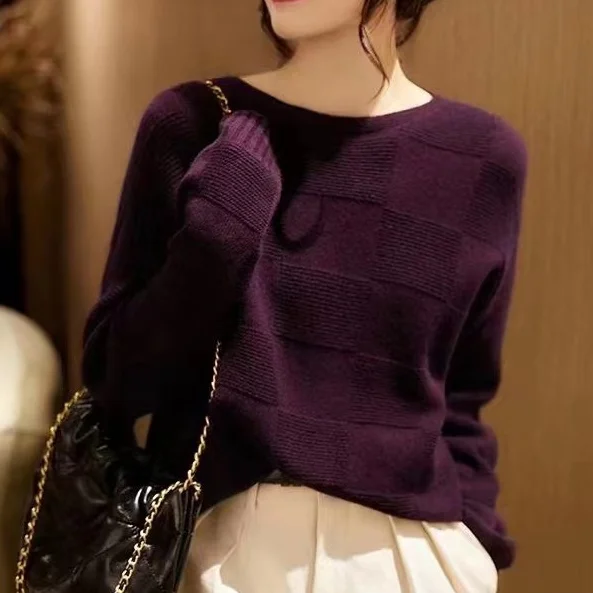
- Pro: Seamless design minimizes irritation and provides a sleek, modern look.
- Pro: Available in multiple sizes and colors, allowing for easy coordination with existing wardrobe pieces.
- Con: Asian sizing runs 1–2 sizes smaller than US/EU, so you must size up to ensure a true loose fit.
Round Neck Knitted Christmas Sweater European and American Red Pullover Jacquard Is a festive option with a classic round neck and jacquard pattern. It is made from polyester fiber, ensuring it holds its shape well over time. The pattern is printed, adding visual interest without the complexity of intricate knitting.
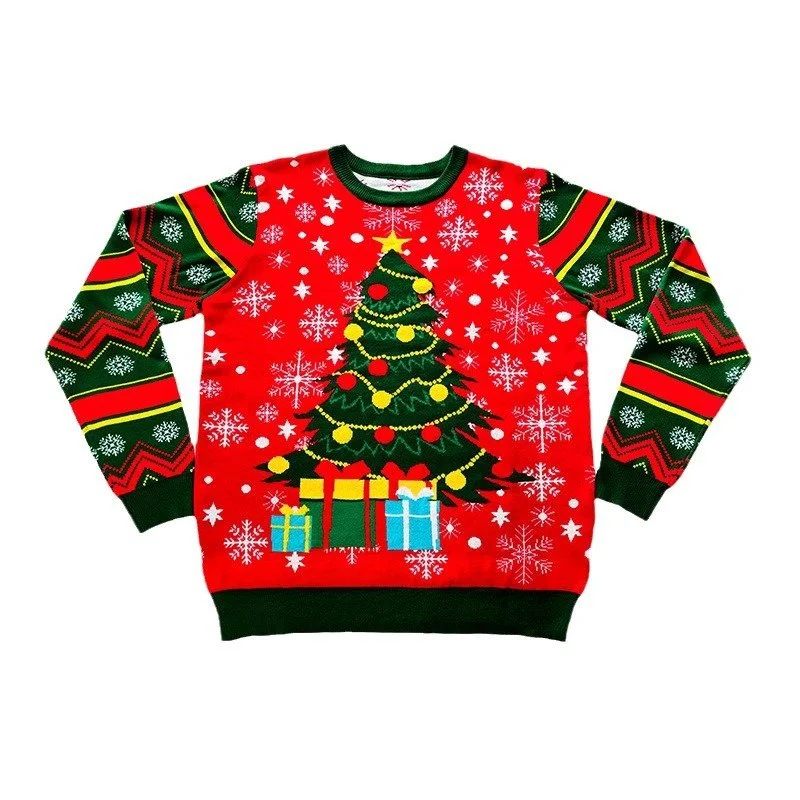
- Pro: Jacquard pattern adds texture and visual appeal without requiring complex knitting techniques.
- Pro: Polyester material is resistant to shrinking and fading, making it a durable choice for seasonal wear.
- Con: Limited color options (only pictured color available in various sizes), which may limit styling flexibility outside of the holiday season.
3d Digital-print Crewneck Sweater Knitwear Offers a unique trend with a 3D relief pattern. It is available in an extensive range of sizes from S to 5XL, making it a great option for those who need a non-standard fit. The digital print creates a realistic 3D effect, adding depth to the design.
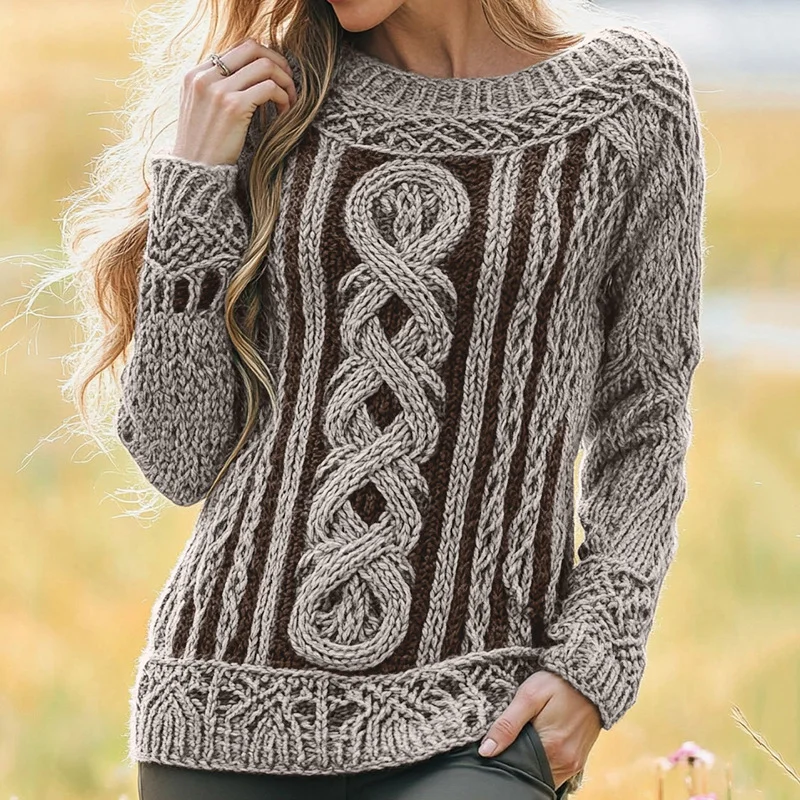
- Pro: Extensive size range (S-5XL) ensures a better fit for a wider variety of body types.
- Pro: 3D relief pattern offers a modern, trendy look that stands out from standard solid knits.
- Con: The 3D effect may be less durable over time, as the raised patterns can be prone to snagging or flattening with heavy wear.
Women Casual Turtleneck Cable Knit Long Sleeve Pullover Sweater Is a classic choice with a cozy cable knit texture. It is available in pink, burgundy, and gray, offering versatile color options for layering. The turtleneck design provides extra warmth for colder days.
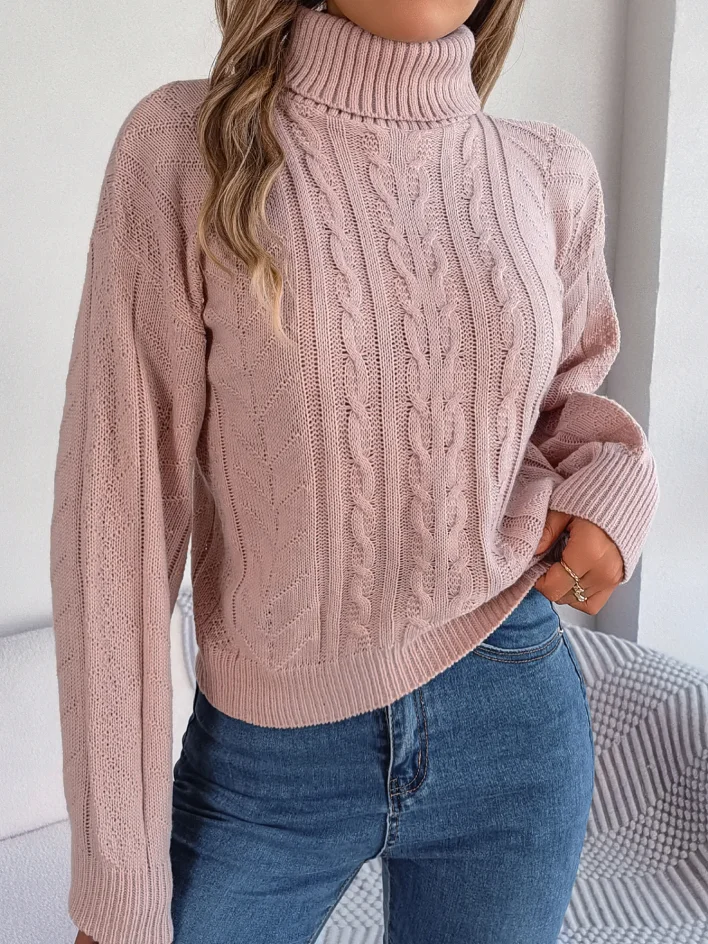
- Pro: Cable knit texture adds visual interest and warmth, making it ideal for autumn and winter.
- Pro: Turtleneck design offers versatility for layering under coats or wearing as a standalone piece.
- Con: Limited color options and sizes (S-L) may not accommodate all body types or style preferences.
French-Style Slim-Fit Knit Cardigan – Cozy Crew Neck Top Is a lightweight, breathable option with a slim-fit silhouette. It is designed to flatter curves and pairs well with jeans or dresses. The solid neutral hues make it easy to mix and match.
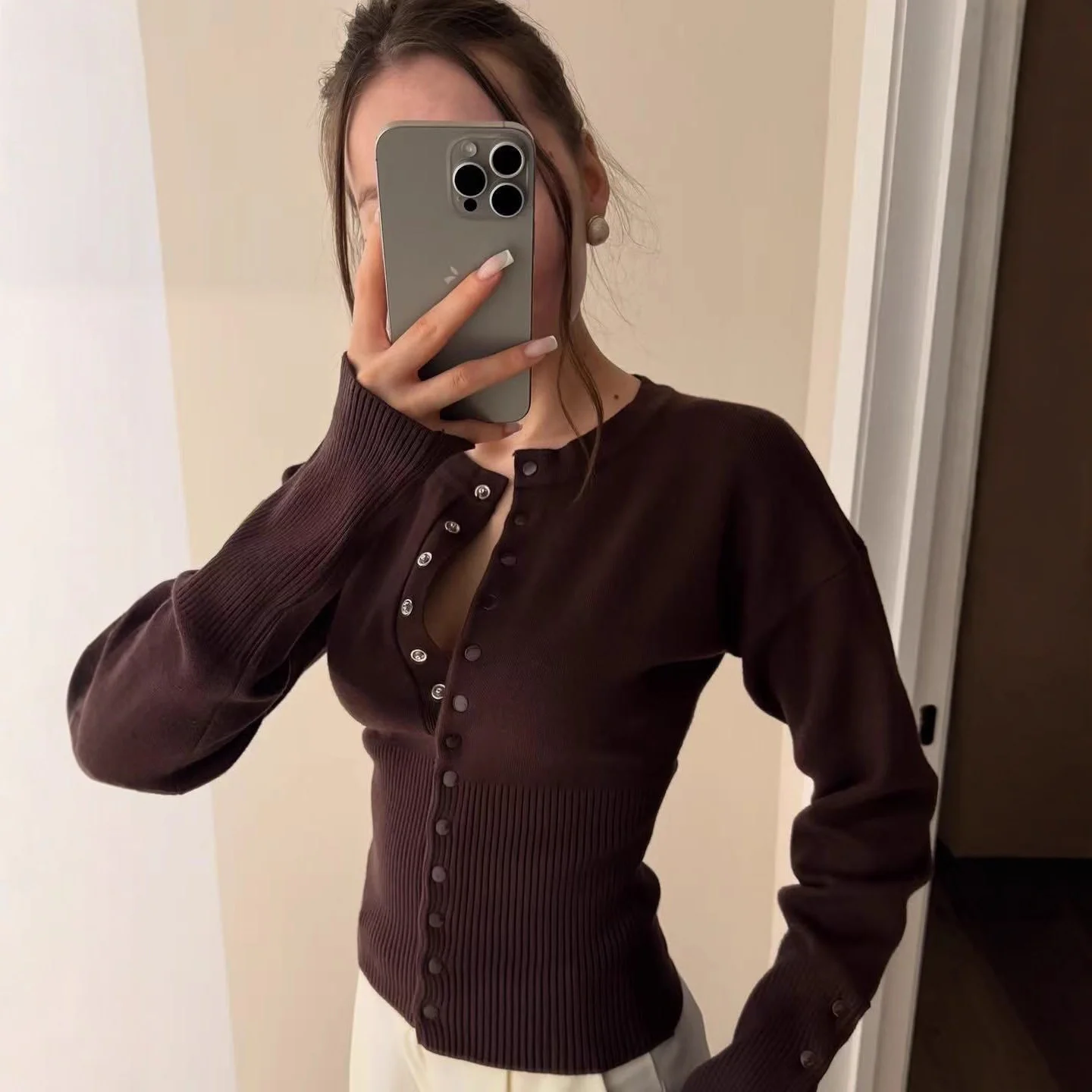
- Pro: Slim-fit silhouette offers a tailored look that can be styled for both casual and semi-formal occasions.
- Pro: Lightweight and breathable, making it suitable for layering without adding bulk.
- Con: Slim fit may feel restrictive if you prefer a looser silhouette, and it is only available in small and medium sizes.
European-style Cross-border Autumn and Winter Turtleneck Sweater for Women, Loose Versatile Knit Pullover, Cas Is a loose, versatile option in coffee color. It is designed as a casual base shirt, offering a relaxed fit that can be layered easily. The European-style cut provides a modern, relaxed aesthetic.
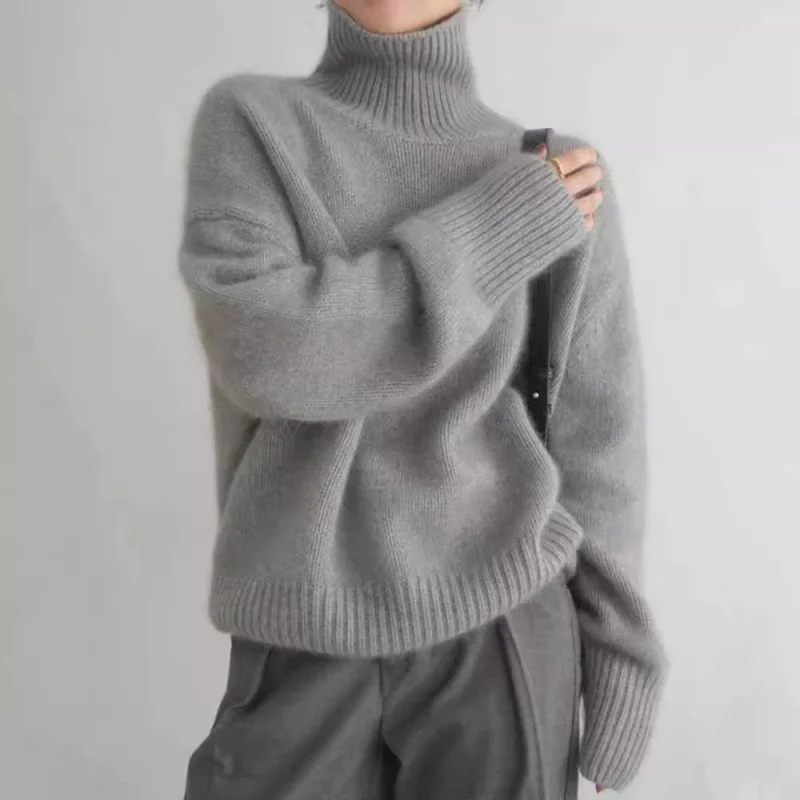
- Pro: Loose fit provides comfort and ease of movement, ideal for layering over shirts or dresses.
- Pro: Neutral coffee color is versatile and easy to pair with various bottoms and accessories.
- Con: Limited to one color and sizes S-XL, which may not suit those who prefer a wider range of styles or sizes.
Comparison of Recommended Sweaters
| Product | Price | Type/Material | Size Range | Best For |
|---|---|---|---|---|
| Seamless Wool Cashmere Soft Glutinous Warm Loose Pullover | $21.24 | Polyester | S-XL | Loose fit, low maintenance |
| Round Neck Knitted Christmas Sweater | $33.16 | Polyester | S-XXL | Holiday wear, durable pattern |
| 3d Digital-print Crewneck Sweater | $21.24 | Knitwear | S-5XL | Statement piece, wide sizing |
| Women Casual Turtleneck Cable Knit | $31.96 | Cable Knit | S-L | Classic cozy look, layering |
| French-Style Slim-Fit Knit Cardigan | $376.52 | Knit Cardigan | S-M | Tailored fit, lightweight layering |
| European-style Loose Versatile Knit Pullover | $31.88 | Knit Pullover | S-XL | Relaxed fit, neutral color |