You spent time selecting the perfect outfit, perhaps a chic jumpsuit or a delicate blouse, to transform into your Halloween look. Now that the party is over, you face a common dilemma: how do you put it away for twelve months without ruining the fabric, shape, or finish? Most people toss costumes into the back of a closet, where they get crushed, stained by dust, or attacked by moths. The result is a pile of wrinkled, discolored fabric that no longer fits the character you envisioned. This guide walks you through the specific steps to preserve the integrity of your costume, from cleaning and drying to the precise folding techniques that prevent permanent creases. You will also learn which storage containers are safe for different fabrics and how to choose base garments that are durable enough to withstand a year of storage.
Preparation: Cleaning and Drying Before Storage
Storing a costume while it is dirty is the fastest way to ruin it. Body oils, sweat, and makeup residue do not simply sit on the fabric; they break down the fibers over time. This breakdown leads to yellowing stains, weakened seams, and a musty odor that is nearly impossible to remove after a year. Before you fold anything, you must treat the garment as if you plan to wear it again in a few days, not in a year.
Read the Care Label First
Always check the care label inside the garment. It dictates how you can clean the piece without causing shrinkage or damage. Polyester blends, which are common in costume-friendly clothing, are generally durable but can be sensitive to high heat. If the label says "Dry Clean Only," you must take it to a professional. Trying to wash a dry-clean-only item at home can result in permanent oil stains or color bleeding that will be visible next year. If the label allows machine washing, use the gentle cycle with cold water. Hot water can set stains and shrink synthetic fibers.
Spot Treat Stubborn Marks
Halloween costumes often involve makeup, glitter, or food stains. These require spot treatment before the main wash. For makeup, use a mild detergent or a specialized stain remover on the affected area. Let it sit for five to ten minutes before washing. Do not rub the fabric vigorously, as this can damage delicate lace or satin finishes. For glitter, use a lint roller or a slightly damp cloth to lift the particles before washing. If you skip this step, the glitter will embed itself into the fibers during the wash cycle, creating a gritty texture that is difficult to remove.
Drying Correctly to Prevent Shrinkage
How you dry the garment is just as critical as how you wash it. Tumble drying on high heat is the enemy of costume longevity. Heat can warp synthetic fabrics, causing them to shrink or lose their shape. For most polyester and nylon blends, air drying is the safest option. Lay the garment flat on a clean towel or hang it on a padded hanger in a well-ventilated area away from direct sunlight. Sunlight can fade colors, especially bright oranges, purples, and reds. If the garment is heavy, such as a multi-layered dress, hang it upside down from the hem to help it dry evenly and maintain its length. Ensure the costume is 100% dry before storage. Even a slight amount of dampness can lead to mildew, which leaves dark spots that are permanent.
Choosing the Right Base Garment for Long-Term Wear
If you are building a costume from separate clothing items rather than buying a single pre-made costume, the quality of the base garment matters. You want pieces that hold their shape, resist wrinkling, and can withstand a year of storage without degrading. Not all fabrics are created equal. Some are durable and easy to care for, while others are delicate and prone to pilling or stretching. Here are some specific options that work well as base layers for costumes and are easy to store.
Durable and Versatile Options
For a costume that requires a sleek, structured look, a suit set is an excellent choice. The French Style Women's Suit Set with Belt Dress and Pants Offers a polished look that can be transformed with accessories.
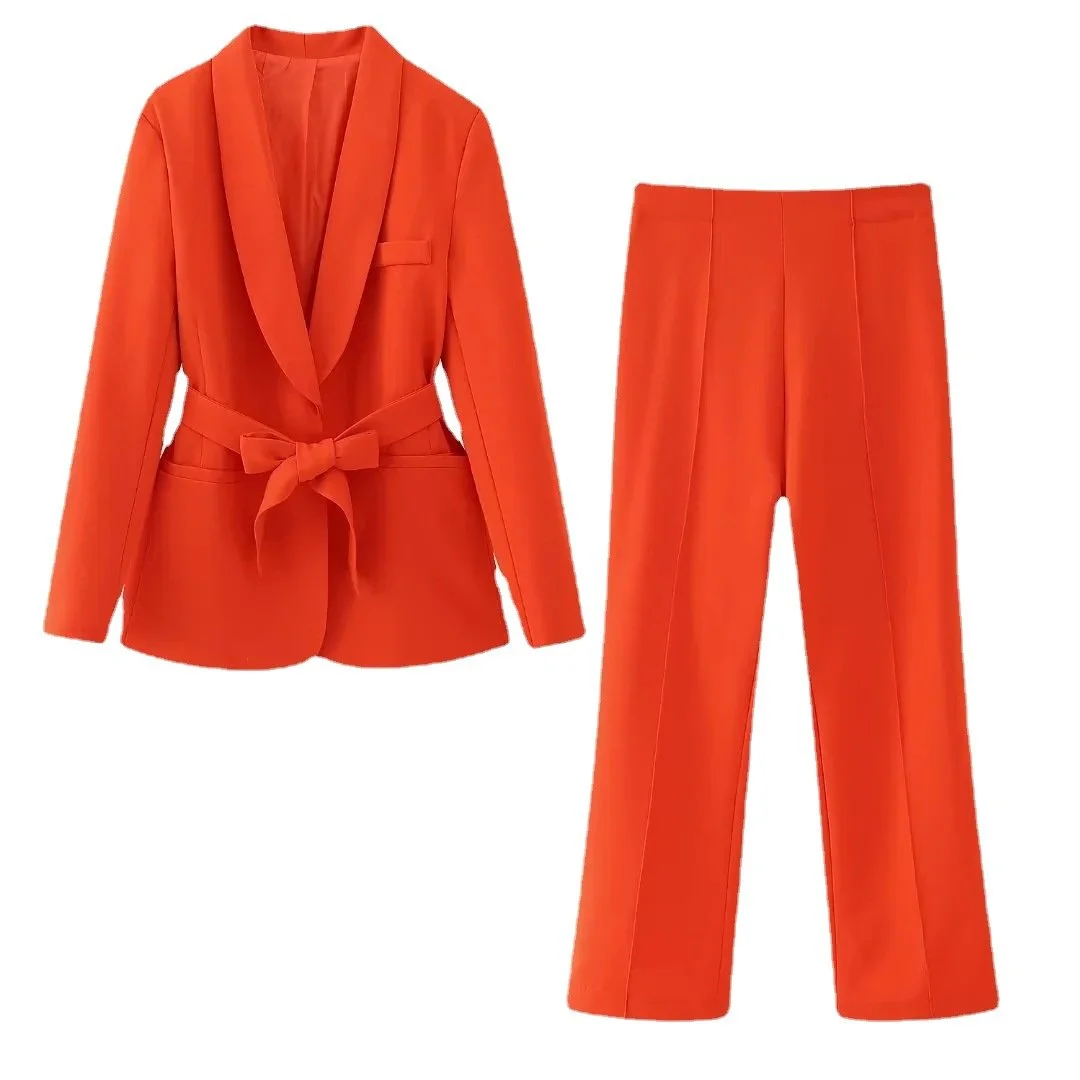
- Pro: The polyester construction is durable and resists wrinkles, making it easier to store and reuse.
- Pro: Comes in multiple colors and sizes, allowing you to match specific character palettes.
- Con: The belt may need to be stored separately to avoid creasing the dress waistline.
If you need a lightweight base that can be layered, a hollow dress is a practical option. The Summer Solid Color Hollow Dress Is made from lightweight polyester, which dries quickly and is easy to fold.

- Pro: Lightweight fabric takes up less space in storage boxes and is less prone to heavy wrinkling.
- Pro: Available in solid colors that pair easily with other costume accessories.
- Con: The hollow design may show skin if not layered properly, so you must plan your storage to keep the delicate lace intact.
Delicate and Elegant Options
For costumes that require a soft, flowing look, satin and lace are popular choices. However, these fabrics require more care. The White Satin Off-Shoulder Lantern Sleeve Cropped Blouse Is a 100% polyester satin piece that offers an elegant silhouette.

- Pro: The satin finish adds a luxurious look that holds up well under lighting.
- Pro: The loose fit makes it easy to fold without creating sharp creases.
- Con: Satin is prone to snags; you must handle it carefully when folding and storing to avoid pulling threads.
For a more casual or edgy look, a lace-up top can be a great base. The Women's Short-sleeved Fashion Hollowed-out Lace-up T-shirt Features a pullover style with ruffled sleeves.
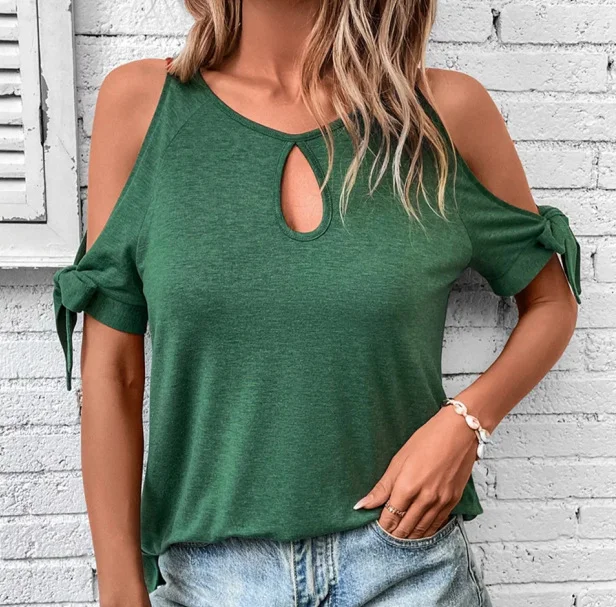
- Pro: The polyester fiber is easy to wash and dries quickly, reducing the risk of moisture damage in storage.
- Pro: Available in multiple sizes, including XL and XXL, ensuring a better fit for various body types.
- Con: The lace-up front can be tricky to fold; you may need to tie the laces securely to prevent them from unraveling in the box.
Simple and Comfortable Options
Not every costume needs to be complex. Sometimes, a simple blouse works best. The Relaxed Fit Blouse Is a sleeveless design that offers comfort and ease of movement.
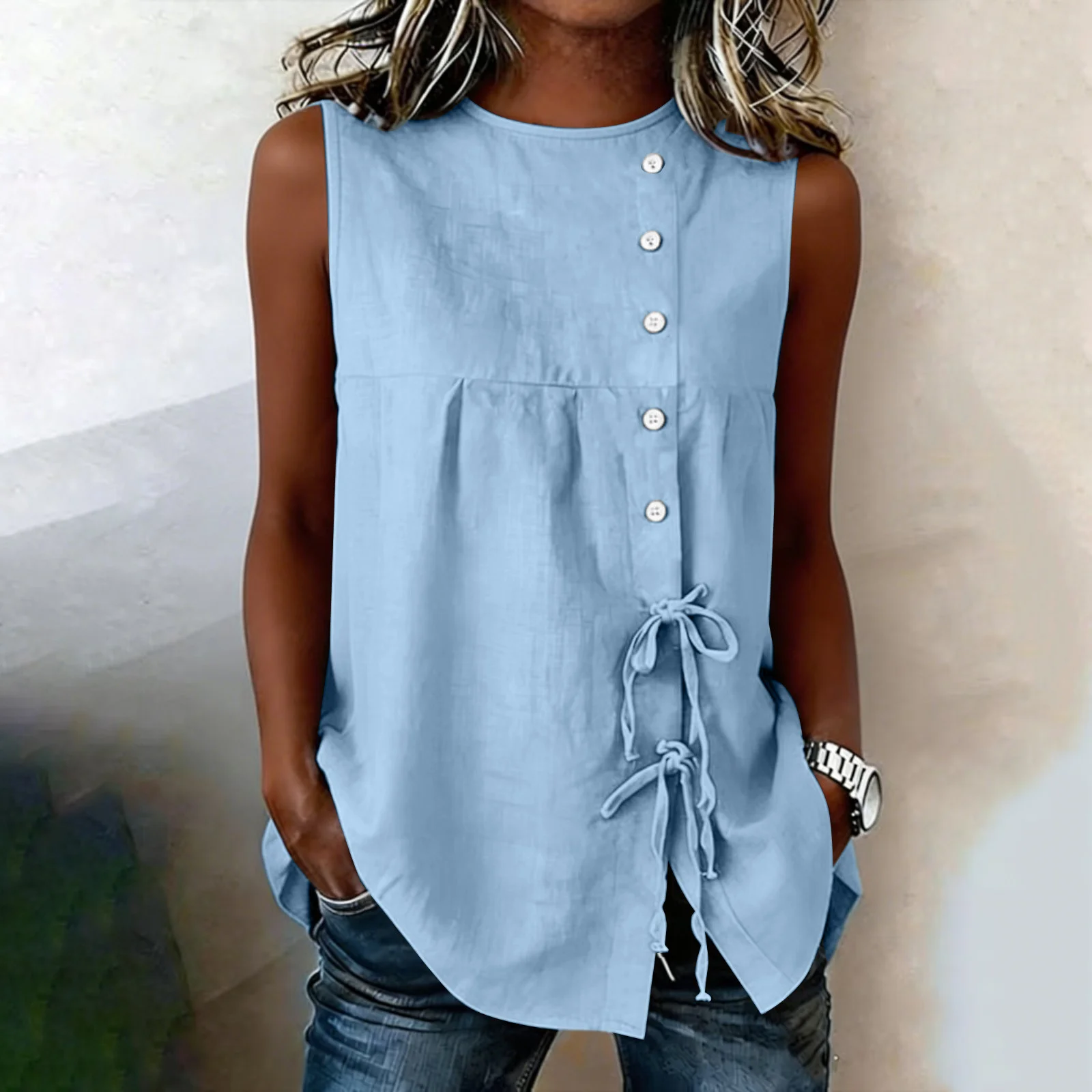
- Pro: The loose-fit design reduces stress on the fabric, meaning fewer wrinkles and less wear over time.
- Pro: Simple construction means fewer parts to store, simplifying the packing process.
- Con: Without sleeves, it may be harder to style for characters that require full coverage without adding extra layers.
For a more fitted look, a long-sleeved top can be useful. The Slim Fit Long-sleeved T-shirt Women's Stand Collar Top Offers a structured silhouette.

- Pro: The slim fit holds its shape well, reducing the need for extensive folding adjustments.
- Pro: The stand collar adds a distinct visual element that can define the character's style.
- Con: Slim fit garments are more prone to stretching if stored under heavy items; you must ensure nothing is stacked on top of it.
Folding Techniques to Prevent Wrinkles
Folding is where most people make mistakes. Sharp, tight folds create creases that can become permanent, especially in synthetic fabrics. The goal is to create a compact package that minimizes stress on the fabric. Here are the specific techniques to use for different types of garments.
The File Folder Method for Dresses and Jumpsuits
This method is ideal for dresses, jumpsuits, and long-sleeved tops. It creates a flat, rectangular shape that stacks neatly.
- Lay the garment face down on a clean, flat surface. Smooth out any wrinkles with your hands.
- Fold the sleeves inward, aligning them with the sides of the torso. Do not twist the sleeves; keep them flat.
- Bring the bottom hem up to the waistline, folding the garment in half horizontally.
- Now, fold the garment in half vertically, bringing the left side over to the right side. The result should be a small, neat rectangle.
- Place a sheet of acid-free tissue paper inside the folds. This prevents the fabric from rubbing against itself and reduces the risk of creases setting.
This method works well for the French Style Women's Suit Set with Belt Dress and Pants. Fold the dress and pants separately, then place them together in the storage container. Do not fold the belt into the dress; store it in a separate small pouch or roll it loosely.
The Roll Method for Delicate Fabrics
For delicate fabrics like satin or lace, rolling is often better than folding. Rolling distributes the weight of the garment more evenly and prevents sharp creases.
- Lay the garment face down. Smooth out the fabric.
- Place a sheet of tissue paper over the garment to protect the finish.
- Starting from the hem, roll the garment tightly but gently toward the neckline. Do not press hard; let the fabric roll naturally.
- Secure the roll with a soft ribbon or a piece of tissue paper. Avoid using rubber bands, which can leave marks on the fabric.
This technique is particularly effective for the White Satin Off-Shoulder Lantern Sleeve Cropped Blouse. The satin finish is prone to snags, and rolling protects the delicate lantern sleeves from being crushed under the weight of other items.
Handling Lace and Hollow Details
Garments with hollow or lace details, like the Summer Solid Color Hollow Dress Or the Women's Short-sleeved Fashion Hollowed-out Lace-up T-shirt, require extra care. Lace can easily stretch or tear if folded incorrectly.
- Do not fold lace on top of itself. Instead, layer a piece of tissue paper between the lace layers to prevent friction.
- If the garment has lace-up details, tie the laces securely before folding. Loose laces can tangle with other items in the storage box, making it difficult to unpack without pulling the fabric.
- For hollow dresses, fold the bodice separately from the skirt if possible. This prevents the weight of the skirt from stretching the delicate bodice fabric.
Storing Accessories
Accessories are often forgotten, but they are just as prone to damage. Hats, wigs, and belts need their own specific handling.
- Hats: Never stack heavy items on top of hats. Store them in a hat box or wrap them in tissue paper and place them on top of other items in the box. If the hat has a brim, support it with tissue paper to maintain its shape.
- Wigs: Place wigs in a wig stand or a mesh bag. If you do not have a stand, wrap the wig in a silk or satin pillowcase to prevent tangling. Do not fold a wig; let it lie flat or hang loosely.
- Belts: Roll belts loosely and secure them with a twist tie or a small piece of tissue. Do not fold them in half, as this creates a permanent crease in the leather or synthetic material.
Selecting the Right Storage Containers
The container you choose is the last line of defense for your costume. It must protect the garment from dust, light, and pests while allowing the fabric to breathe. Using the wrong container can do more harm than leaving the garment in a closet.
Why Plastic Bags Are Bad
Avoid storing costumes in standard plastic dry-cleaning bags or vacuum-sealed bags. Plastic is non-breathable, which traps moisture inside. Even if the garment is dry when you store it, humidity changes in your home can cause condensation inside the plastic bag. This moisture leads to mold and mildew, which causes yellowing and musty odors. Additionally, some plastics contain chemicals that can react with dyes in the fabric, causing discoloration over time. If you must use a plastic bag for transport, switch to a breathable container immediately upon arriving home.
The Best Containers: Boxes and Garment Bags
The best containers for long-term storage are acid-free boxes or cotton garment bags.
- Acid-Free Boxes: These are made from materials that do not release acidic compounds that can damage paper or fabric. They are sturdy and protect the garment from light and dust. Choose a box that is large enough to hold the folded costume without crushing it. A standard 12x12x12 inch box is sufficient for most folded dresses and tops. For larger items, use a 18x18x18 inch box. Label the box clearly with the character name, size, and any special care instructions.
- Cotton Garment Bags: These are breathable and protect the garment from dust while allowing air circulation. They are ideal for hanging costumes in a closet. However, ensure the closet is clean and dry. If you live in a humid climate, consider using a dehumidifier in the closet to prevent moisture buildup.
Protecting from Pests
Moths and other pests are attracted to natural fibers like wool and silk. While many modern costumes are made of polyester, some may have natural fiber linings or accessories. To protect against moths, you can place cedar blocks or lavender sachets in the storage box. These natural repellents are safe for fabrics and help keep the garment smelling fresh. Do not use mothballs, as the chemicals can damage synthetic fabrics and leave a strong odor that is difficult to remove. If you suspect a pest problem, inspect the garment thoroughly before storing it. Check the seams and folds for small holes or webbing.
Common Mistakes to Avoid
Even with the best intentions, it is easy to make mistakes that ruin a costume. Here are the most common errors and how to avoid them.
Storing While Damp
One of the biggest mistakes is storing a garment that is not completely dry. Even a slight dampness can lead to mold. Always