You're planning a weekend trek when the leaves are turning, and you need a jacket that won’t let you freeze, won’t soak you, and still looks good when you stop for coffee. Below you’ll learn which fabrics, fits, and features matter most, plus a curated list of real products that meet those needs.
How to choose the right jacket for October hikes
Material matters
In October temperatures typically range from 45‑65°F (7‑18°C). Look for a jacket made from a polyester‑nylon blend with a DWR (durable water repellent) finish. This combination sheds light rain while allowing sweat to escape, preventing the clammy feeling that can ruin a hike.
Weight and packability
A good fall jacket weighs under 1 lb (≈ 450 g) and folds into a small stuff sack. Heavy shells add bulk and make your pack feel overloaded on short day trips.
Fit for movement
Choose a cut that offers at least 5‑10 cm of extra room in the shoulders and arms. This extra allowance lets you layer a fleece or light down underneath without restricting arm swings on steep sections.
Ventilation
Underarm pit zips or mesh-lined back panels let you release heat when the sun warms the trail. Even a single zip opening can make a big difference on a sunny ridge.
Style considerations
If you’ll transition from trail to town, pick a jacket with a clean silhouette, neutral color, and minimal tech‑look branding. A simple hood that can be stowed when not needed keeps the look sleek.
Key features to look for
- Water resistance: Aim for a 5,000–10,000 mm column rating. That level stops a steady drizzle and light showers common in October.
- Breathability: Look for fabrics labeled “breathable” or “moisture‑wicking.” A 2‑way stretch panel helps move sweat away from skin.
- Adjustable cuffs & hem: Velcro or snap closures let you seal out wind and trap heat when it’s chilly.
- Secure pockets: Zippered hand pockets protect maps and phones; an internal chest pocket can hold a small snack bar.
- Hood design: A stow‑away hood with drawstring adjustment adds rain protection without bulk.
Product comparison
| Product | Price | Category / Material | Options | Best for |
|---|---|---|---|---|
| Women's Lightweight Hooded Back‑Tied Pullover | $29.28 | Sweatshirt, cotton‑blend | 5 colors/sizes | Casual trail starts, light rain, stylish town‑to‑trail transition |
| Summer UV Protection Lightweight Breathable Sun Shirt | $57.96 | T‑Shirt, unspecified | No details | Sunny summit days, layering under a shell |
| 3D Retro Socks for Women | $5.60 | Cotton socks | 5‑pair pack | Comfortable base layer for cool mornings |
| Men's Winter Wool Socks | $10.64 | Wool blend | 4 patterns | Extra warmth on early‑morning hikes |
| Cozy Women's Hooded Jacquard Sweater | $26.00 | Sweatshirt, thick knit | 5 colors/sizes | Post‑hike coffee stop, low‑intensity walks |
| Lucky Clover Print Casual Loose Hoodie | $23.16 | Sweatshirt, cotton blend | 36 color‑size combos | Relaxed fit for easy layering, casual town look |
Product spotlights
Women's Lightweight Hooded Back‑Tied Pullover
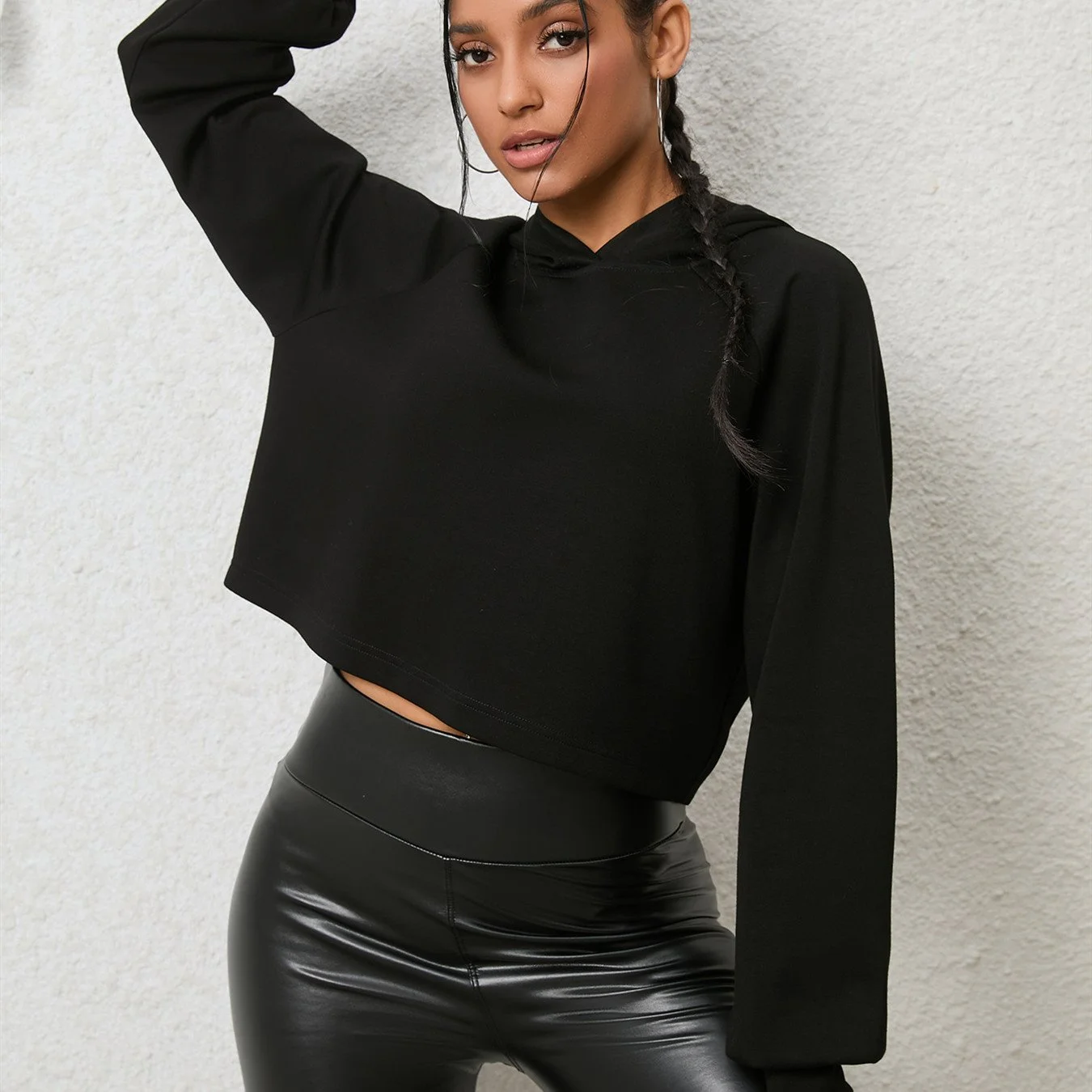
- Pros: affordable, stylish back‑tie detail, hood adds rain protection.
- Con: not a dedicated waterproof shell; check sizing if you plan heavy layering.
Summer UV Protection Lightweight Breathable Sun Shirt
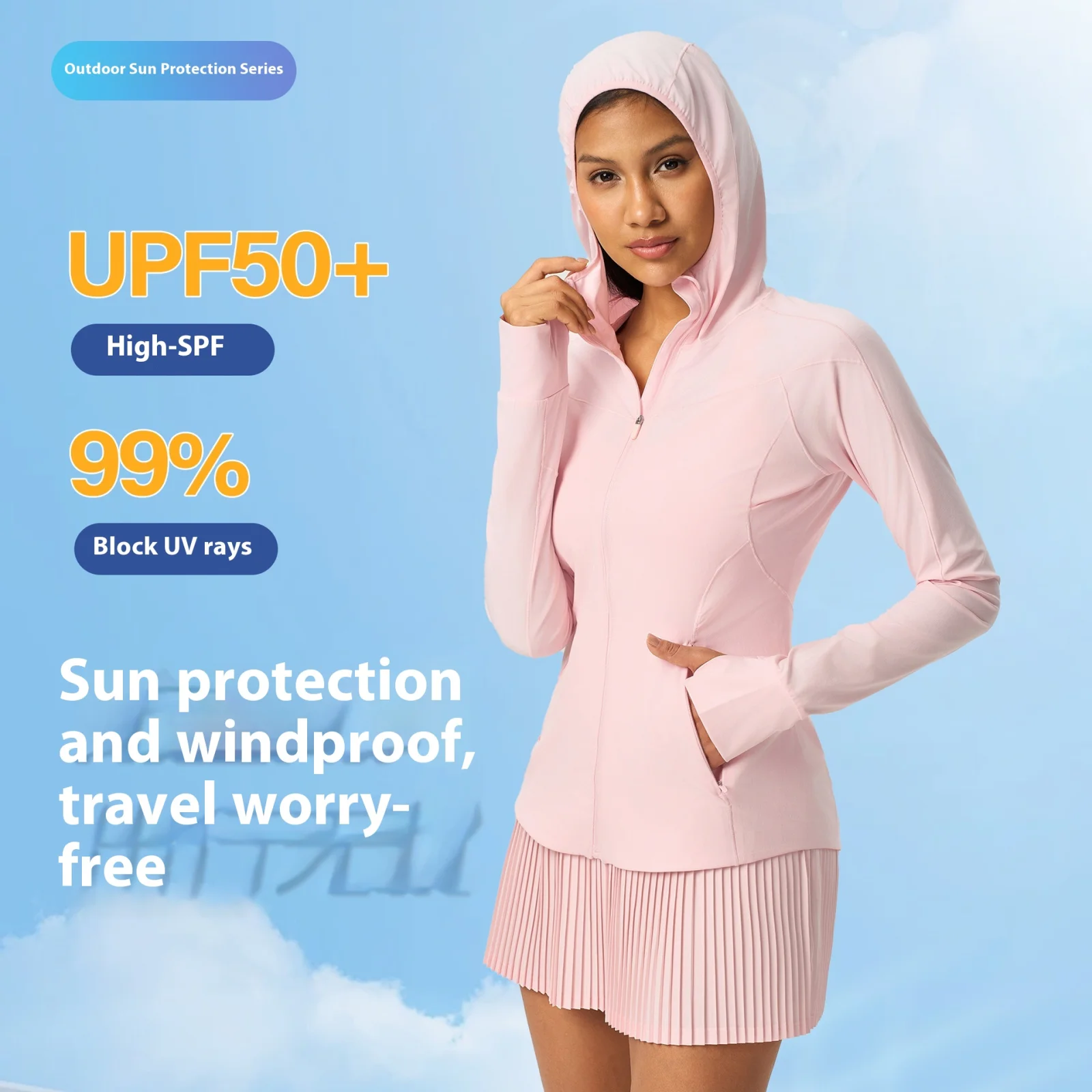
- Pros: breathable, UV blocking.
- Con: limited info on material; verify if it pairs well with your jacket.
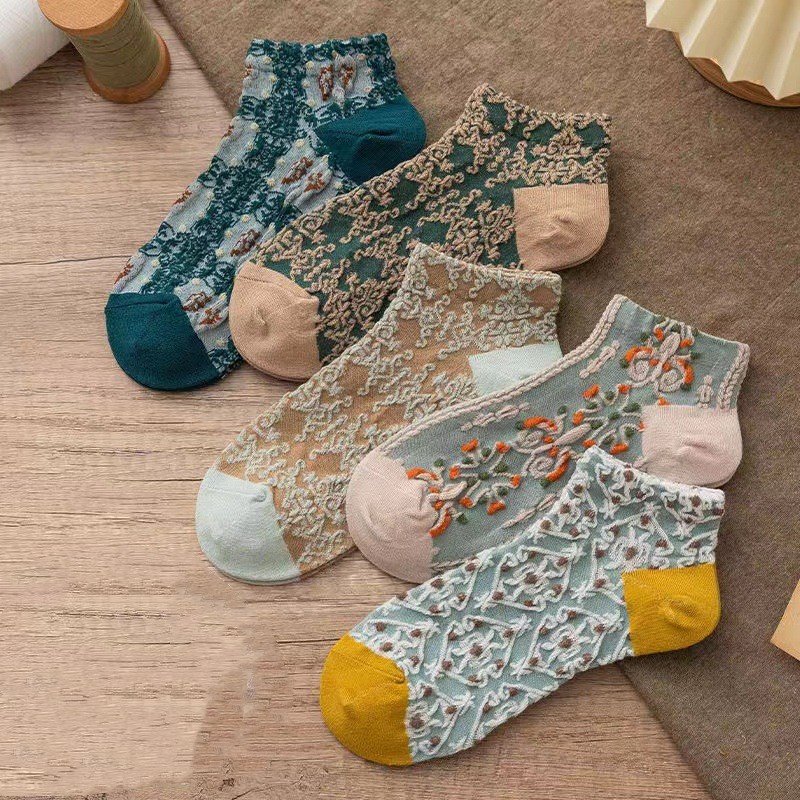
- Pros: soft, moisture‑absorbing.
- Con: not insulated for sub‑50°F temps.
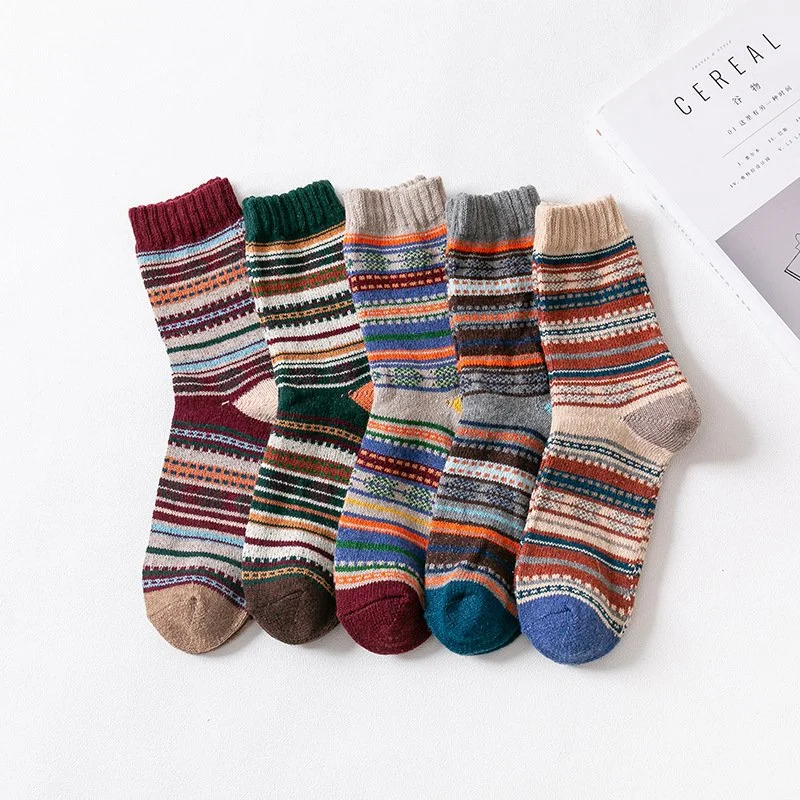
- Pros: thick, breathable wool.
- Con: bulkier; may feel hot if trail warms quickly.
Cozy Women's Hooded Jacquard Sweater
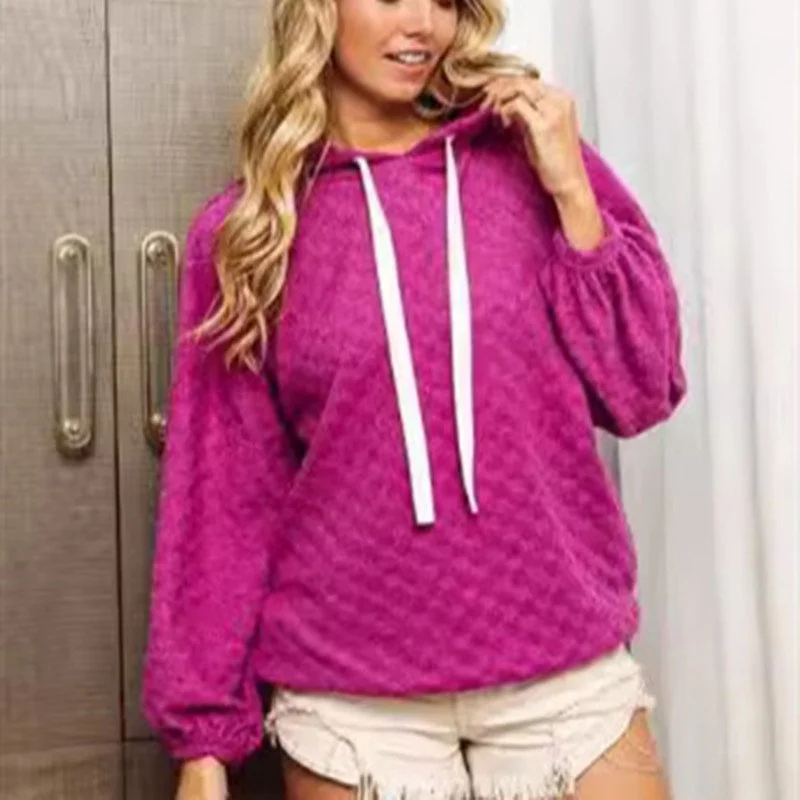
- Pros: thick knit, stylish pattern.
- Con: heavier than a technical shell; not ideal for rain.
Lucky Clover Print Casual Loose Hoodie
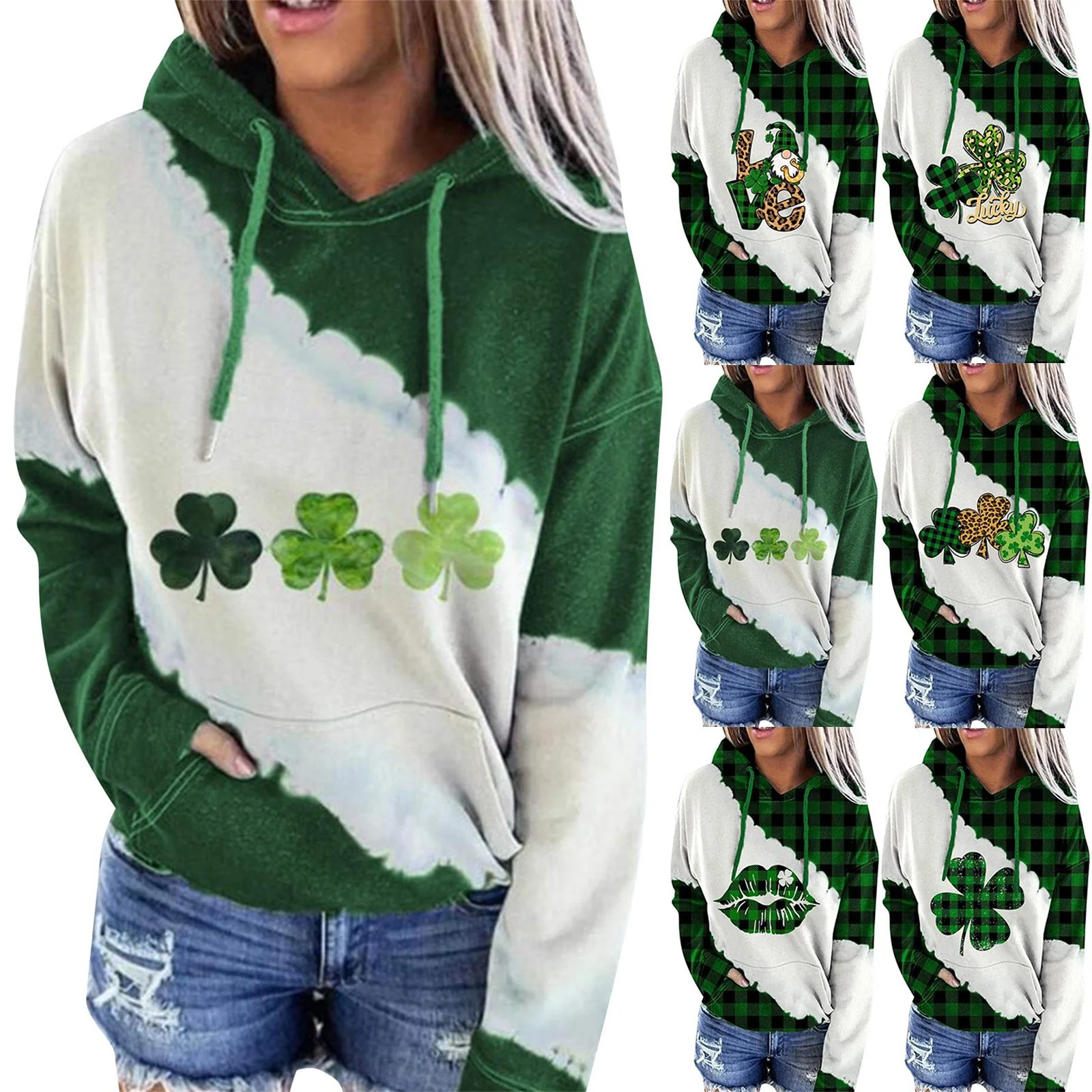
- Pros: relaxed fit, front pocket.
- Con: many color options may not match all outdoor gear palettes.
Common mistakes to avoid
Choosing a jacket based solely on style often means sacrificing waterproofing. A “fashion‑first” shell may have a low DWR rating, leaving you soaked after a brief drizzle.
Skipping a proper fit check is another pitfall. If the jacket is too tight, you’ll feel restricted; too loose and wind can blow cold air in through gaps.
Relying on a single‑layer jacket in temperatures below 50°F usually leads to chills. Pair a light shell with a fleece or merino midlayer for a balanced system.
Care, styling, and layering tips
Wash technical fabrics inside‑out with a mild detergent, avoid fabric softeners, and tumble dry low or air‑dry to keep the DWR intact. Re‑apply a spray‑on DWR treatment yearly if you notice water beading less.
For a stylish town‑to‑trail look, wear the back‑tied pullover over a long‑sleeve merino tee, add the Lucky Clover hoodie underneath a waterproof shell, and finish with the 3D retro socks for a pop of retro flair.
Layering order: base layer (moisture‑wicking tee) → midlayer (light fleece or sweater) → shell (water‑resistant jacket). Adjust as temperature changes.
Frequently asked questions
❓ What features should I look for in a women's hiking jacket for October?
Look for a lightweight, water‑resistant shell with a DWR rating around 5,000 mm, breathable fabric, adjustable cuffs, a stow‑away hood, and enough room for a midlayer. Pit zips or mesh panels are bonuses for temperature control.
❓ How waterproof does a fall hiking jacket need to be?
A 5,000–10,000 mm column rating stops most October rain showers without adding the weight of a full‑scale mountaineering shell. Anything lower may let a drizzle soak through.
❓ Can I wear a women's jacket from my wardrobe for hiking without it being too heavy?
Yes, if the jacket is made of a breathable cotton‑blend or lightweight polyester and has a relaxed fit, it can work for easy trails; just check that it isn’t too bulky and that it offers some water resistance.
❓ What is the best women's jacket for layering on cool autumn trails?
A thin, water‑repellent shell like the Women's Lightweight Hooded Back‑Tied Pullover works well because it slides over a fleece or merino midlayer without restricting movement.
❓ How to choose the right size women's jacket for hiking movement?
Select a size that gives you at least 5 cm of extra room in the shoulders and 2–3 cm in the chest when you wear a midlayer underneath; try moving your arms overhead to confirm freedom.
❓ Are there women's jackets that are both stylish for town and functional for hikes?
Yes, jackets with clean lines, neutral colors, and functional features—like the back‑tied pullover or the Lucky Clover loose hoodie—transition easily from trailhead to coffee shop.
❓ Do I need a hood on a fall hiking jacket?
A detachable or stow‑away hood adds protection during sudden showers and can be packed away when you’re under a canopy, making it a versatile feature for October weather.
Key takeaways
- Prioritize water resistance (5,000–10,000 mm) and breathability over heavy insulation.
- Pick a jacket that offers at least 5 cm extra room for layering and arm movement.
- Back‑tied pullover and loose hoodies from our list give style without sacrificing function.
- Layer with a moisture‑wicking base, a light fleece, then your shell for optimal temperature control.
- Maintain DWR with gentle washing and occasional re‑spray to keep water shedding.
How we chose these products: We matched each item’s material, price, and style to the key features and use cases described for fall hiking, focusing on affordability and versatility.