You're ready to plant cool‑season veggies, prune back roses, and pull up last‑year’s perennials, but the chill is making your hands stiff. Below you’ll learn how to size, material‑choose, and care for gloves that stay warm without sacrificing dexterity.
How to choose the right glove
First, list the tasks you’ll do most often. Planting seedlings, digging, and light weeding need finger mobility; pruning, especially on woody vines, benefits from a little extra grip and protection.
Insulation vs. Flexibility
Warmth is measured in “grams of fill” for insulated gloves, but most budget options rely on the natural loft of wool or a wool‑blend. A half‑finger style keeps the fingertips exposed, preserving tactile feel while the palm stays insulated.
Water resistance
Autumn rains are common, so look for a water‑repellent coating (often a polyurethane layer). Breathability matters because trapped sweat can freeze, making hands feel colder than the air.
Grip and durability
Rubberized palms or reinforced stitching extend life when you’re handling soil, twine, or metal tools. For pruning, a textured palm helps you hold shears without slipping.
Best materials for fall gardening
Here’s what each material brings to the garden:
- Nylon: Lightweight, water‑resistant, but offers little insulation. Good for light‑task gloves.
- Wool‑blend: Natural loft, retains heat when damp, breathable. Ideal for half‑finger warmth.
- Faux leather: Adds grip and a sleek look, but can feel stiff until broken in.
- Fleece lining: Soft, quick‑dry, adds extra warmth without bulk.
For most fall gardening, a wool‑blend half‑finger glove hits the sweet spot: enough warmth for 40‑50°F days, enough dexterity for seed planting, and it dries faster than pure cotton.
Getting the right fit
Glove size is usually given in centimeters or a generic “small/medium/large.” Measure the circumference of your dominant hand just below the knuckles (excluding the thumb). Compare that number to the size chart supplied by the manufacturer.
When in doubt, choose the larger option if you plan to wear a thin liner underneath. Too‑tight gloves restrict blood flow, making your hands feel colder faster.
Product comparison
| Product | Price | Material | Options | Best for |
|---|---|---|---|---|
| Sun‑Protective Nail Art Gloves | $2.04 | Nylon | 5 colors, free size | Light tasks, sun protection |
| Warm Half Finger Gloves | $3.04 | Wool‑blend | 12 colors/sizes (20‑30 cm) | General fall gardening, warmth |
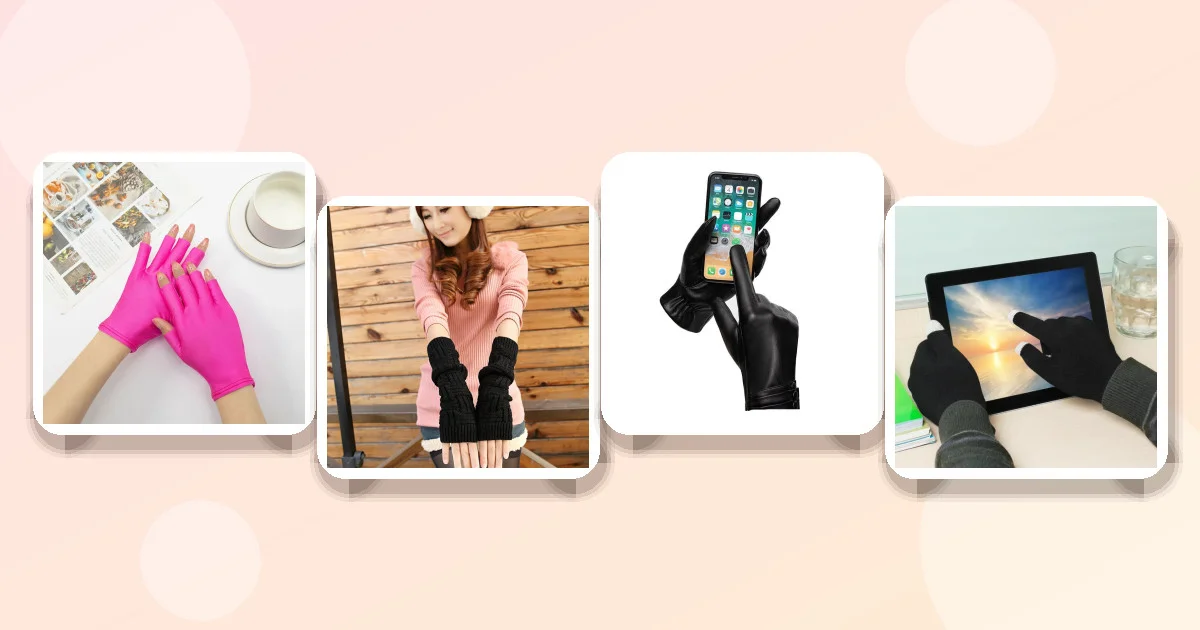
| Touch Screen Gloves for Women | $10.44 | Faux leather | One size, black | Phone use while pruning |
| Touch Screen Winter Gloves | $44.28 | Knitted (likely acrylic) | One color, black | Cold, extended outdoor work |
| Warm Touch USB Charging Gloves | $4.92 | Mixed (heating elements) | 7 styles, multiple colors | Tech‑savvy gardeners needing heat |
| Warm Touch Screen Driving Gloves | $10.12 | Suede + velvet lining | 12 colors | Stylish, light‑task outdoor work |
Product spotlights
Sun‑Protective Nail Art Gloves
Best for Gardeners who also enjoy crafting or need UV protection while potting outdoors.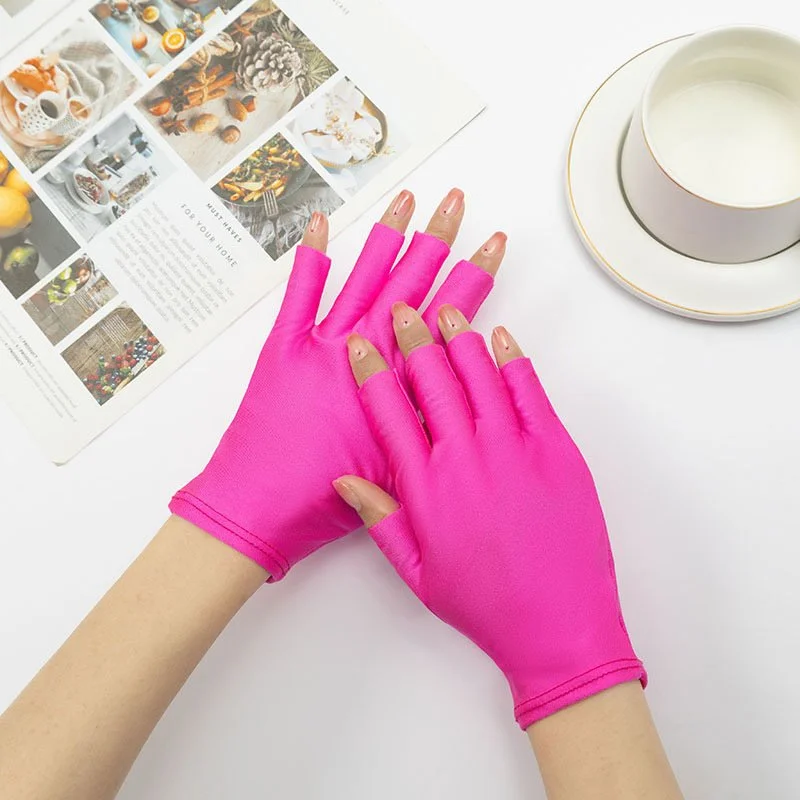
- Durable nylon resists snagging.
- Free size fits most hand shapes.
- Not insulated—cold days will feel chilly.
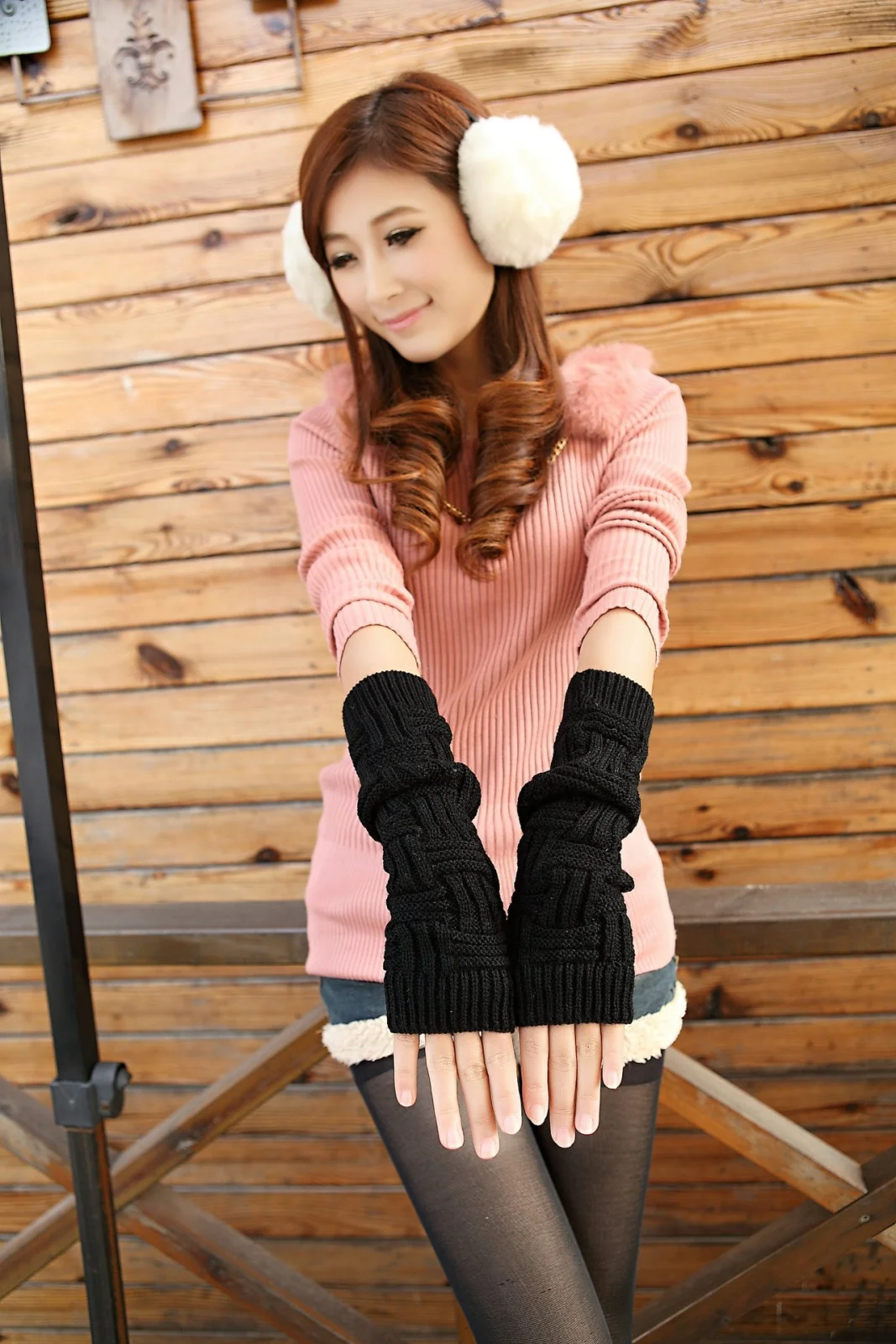
- Wool‑blend keeps hands toasty down to 35°F.
- Half‑finger design preserves dexterity.
- Check sizing; longer (30 cm) options may feel bulky for small hands.
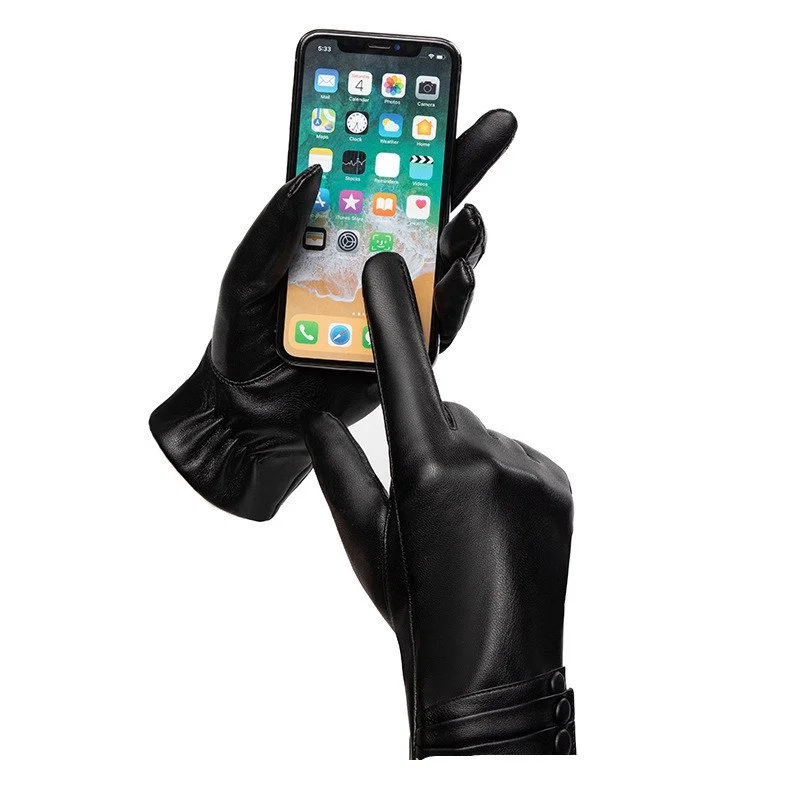
- Faux leather offers a sleek look.
- Touch‑screen fingertips work with most devices.
- One‑size fit may be loose on larger hands.
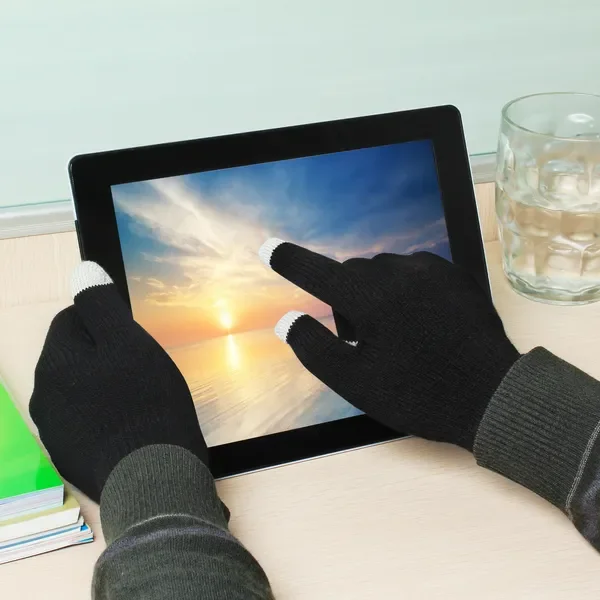
- Full‑finger knit provides solid warmth.
- High‑sensitivity fingertips keep devices usable.
- Price is higher; may be overkill for mild fall days.
Warm Touch USB Charging Gloves
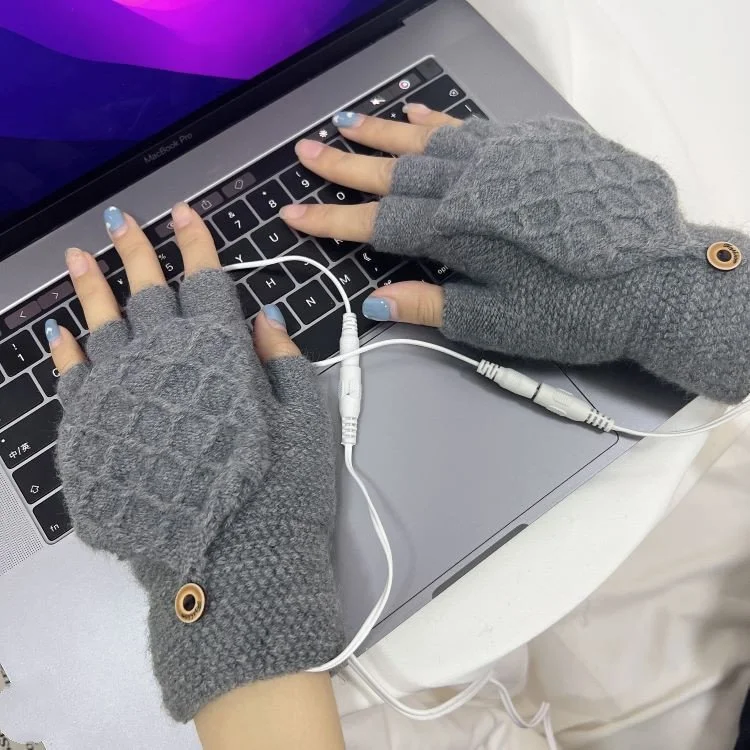
- Built‑in heating extends comfort to 5 °C.
- Flip‑cover design protects the heating element.
- Battery life limited; not ideal for all‑day work.
Warm Touch Screen Driving Gloves
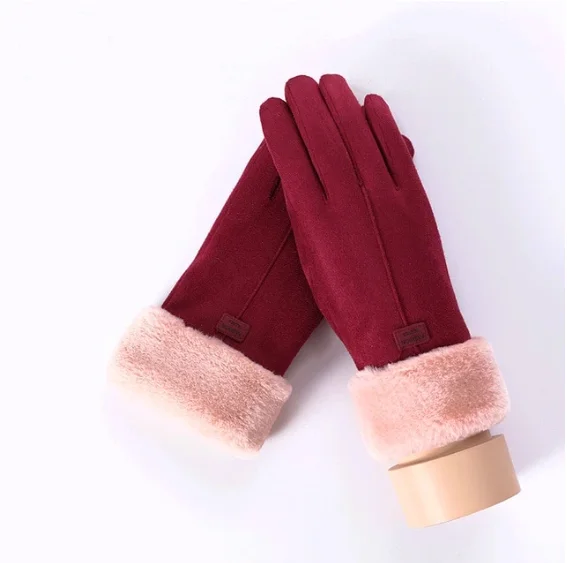
- Suede exterior adds grip on tools.
- Velvet lining feels soft on skin.
- Not waterproof; rain will soak the suede.
Common mistakes to avoid
- Choosing full‑finger gloves for delicate pruning. They limit fingertip feel, making it harder to gauge branch thickness.
- Skipping the fit check. A glove that’s too tight cuts circulation; too loose lets cold air in.
- Buying only “waterproof” without breathability. Sweat trapped inside freezes, turning a dry glove into a cold one.
- Neglecting care. Soil and sap can degrade coatings; regular cleaning prolongs life.
Care, cleaning, and odor control
After each session, shake out loose dirt, then rinse wool‑blend gloves in cold water with a mild detergent. Air‑dry flat; avoid the dryer, which can shrink wool.
For nylon or faux leather, a quick wipe with a damp cloth removes mud. To combat odor, sprinkle a little baking soda inside, let sit 15 minutes, then shake out.
Store gloves in a breathable mesh bag rather than a sealed plastic bag; this prevents mildew during damp autumn evenings.
Frequently asked questions
❓ What features should I look for in gardening gloves for cold weather?
Look for a wool‑blend or insulated lining, a half‑finger or mitt design that keeps the palm warm, water‑repellent coating, and a textured palm for grip. These features balance heat retention with the dexterity needed for planting and pruning.
❓ Are there women's gloves that are both waterproof and breathable for autumn gardening?
Yes, gloves that combine a nylon outer shell with a breathable membrane (often called “water‑resistant but not fully waterproof”) meet that need. They keep rain out while allowing sweat to escape, which is crucial in cooler, damp weather.
❓ How do I choose the right glove size for gardening work?
Measure the circumference of your dominant hand just below the knuckles, then compare that number to the manufacturer’s size chart. If you plan to wear a thin liner underneath, size up by one increment.
❓ Which materials are best for gloves used in fall garden tasks?
Wool‑blend offers natural warmth and dries quickly, making it ideal for most fall tasks. Nylon provides water resistance for rainy days, while faux leather adds grip for pruning.
❓ Do I need insulated gloves for pruning in October?
If temperatures regularly dip below 45°F, a light insulated or wool‑blend glove helps maintain hand warmth without sacrificing fingertip feel, which is essential for precise cuts.
❓ How can I keep my gardening gloves from getting muddy and smelly?
Shake out soil after each use, rinse with cold water, and air‑dry. Adding a sprinkle of baking soda inside before storage neutralizes odors.
❓ Can I use touch‑screen gloves while gardening?
Touch‑screen gloves with conductive fingertips let you answer calls or check apps without removing your gloves, which is handy when you’re in the middle of a pruning session.
Key takeaways
- Warm half‑finger wool‑blend gloves give the best warmth‑dexterity combo for typical fall gardening.
- Water‑resistant nylon or faux leather layers protect against rain while keeping hands breathable.
- Measure hand circumference and compare to size charts; a snug fit preserves heat.
- Touch‑screen compatible gloves save time when you need to check a phone or GPS.
- Regular cleaning and proper storage prevent mud buildup and odor.
How we chose these products: We matched each glove’s material, price, and feature list to the specific needs of autumn gardening—warmth, flexibility, water resistance, and occasional touchscreen use.
===HTML===