Walking to work or waiting for the bus in October brings a specific set of challenges: the air is crisp, the wind is picking up, and your outfit needs to look put-together by the time you reach your desk. A hat is often the final piece that ties a fall look together, but finding one that is functional enough for the weather and acceptable for the workplace can be tricky. You want protection from the chill without looking like you are stranded in a blizzard, and you want style that transitions smoothly from the street to the office.
This guide cuts through the noise to help you pick a women's hat that actually works for your specific commute. We will look at how different materials handle wind and rain, how to match specific hat shapes to your face and hairstyle, and which styles hold up under professional dress codes. By the end, you will know exactly what to buy based on your daily route and your workplace rules.
Understanding Your Commute Needs
Before you look at colors or trends, you need to define the physical conditions of your commute. A hat that works for a ten-minute walk in the sun is not the same hat that works for a windy ride on an open-air transit platform. Your choice depends on three factors: exposure to the elements, duration of wear, and the dress code you must meet upon arrival.
Weather Exposure: Wind, Rain, and Temperature
Fall weather is inconsistent. One day might be 65°F (18°C) and sunny, while the next is 45°F (7°C) and windy. A hat for a commute needs to handle this variability. If your route involves walking near trees or buildings where wind funnels, you need a hat that stays on securely. Loose-fitting styles can be dangerous or annoying in gusty conditions. If rain is a factor, you need to consider how the material reacts to moisture. Cotton absorbs water and stays wet, which can make you colder. Wool or synthetic blends often dry faster and provide better insulation when damp, though no hat is truly waterproof unless it has a specific coating.
Temperature regulation is also key. If you are walking briskly or riding a bike, you will generate body heat. A hat that is too thick will cause you to sweat, which can make you feel clammy and uncomfortable. For public transit, where you are stationary but the air conditioning or heating might be erratic, a mid-weight hat is usually the safest bet. It provides enough warmth for the walk but allows you to remove it easily if the subway car is warm.
Duration of Wear
How long will you be wearing the hat? If it is just for the 15 minutes it takes to get to the office, you can prioritize style over extreme comfort. However, if you work outdoors, on a construction site, or in a warehouse where the temperature remains low, you need a hat that is comfortable for hours. Pressure points on the head can become painful after 30 minutes of wear. Look for hats with a consistent tension around the headband. If the hat feels tight in the first five minutes, it will likely be uncomfortable by the time you reach work.
The Dress Code Factor
This is the most common pain point for commuters. You want to wear a beanie because it is warm, but your office is strictly business professional. Or you want to wear a baseball cap because it is familiar, but your colleagues are wearing blazers. You need to assess how strict your workplace is. "Business casual" is a broad term that varies by company. In some offices, a sleek, neutral beanie is accepted as part of a chic, layered look. In others, any headwear is a no-go. If your office is strict, you may need a hat that you can easily remove and store in your bag or coat pocket. Structured hats like berets or fitted caps are easier to carry than floppy, wide-brimmed styles.
How to Choose the Right Hat: Size, Material, and Fit
Choosing a hat is not just about picking a color you like. It is about engineering a piece of clothing that fits your head and your life. Here is what to look for in the specs and materials to ensure you are making a practical purchase.
Size and Fit: Measuring for Comfort
Most hats listed in this guide are "one-size-fits-most" or "free size," but these terms can be misleading. A standard adult head circumference ranges from 54cm to 58cm (21 to 23 inches). When a product says "one size," check the specific measurement if available. For example, a hat specified as 56-58cm will fit average head sizes well. If you have a larger head, a 58cm limit might feel tight. If you have a smaller head, a loose 58cm hat might slide down over your ears.
Fit is crucial for comfort. A hat that is too tight will leave a red mark on your forehead and can cause headaches. A hat that is too loose will fall into your eyes or blow off in the wind. For knit beanies, the stretch of the fabric allows for some flexibility, but you should still aim for a snug fit that does not dig into your skin. For structured hats like baseball caps, look for an adjustable strap or a sturdy brim that holds its shape. The brim should sit just above your eyebrows to provide shade and keep rain off your face.
Material Matters: Wool, Cotton, and Polyester
The material of your hat determines how it feels, how it lasts, and how it handles weather. Here is a breakdown of common materials and their best uses for commuting:
- Knit Wool or Wool Blends: These are the gold standard for warmth. They are breathable, meaning they let moisture vapor escape, which prevents sweating. They are also naturally water-resistant to some degree. Look for "soft" knit descriptions to avoid itchiness. If you have sensitive skin, check if the wool is blended with acrylic or cashmere to reduce scratchiness.
- Cotton: Cotton is lightweight and breathable, making it great for mild fall days. However, it absorbs water quickly. If it rains, a cotton hat will stay wet and cold. It is best for dry, crisp mornings. Cotton hats are also easier to wash than wool.
- Polyester and Synthetics: Many modern hats use polyester or blends for durability and quick-drying properties. These materials are often windproof, which is excellent for windy commutes. They are also less likely to shrink in the wash. However, they can trap heat more than natural fibers, so they may not be the best choice for very active commutes where you sweat a lot.
- Corduroy: A textured fabric that adds warmth without bulk. It is durable and holds its shape well, making it a popular choice for baseball caps and structured hats.
Features to Check: Brims, Ear Flaps, and Adjustability
Not all hats are created equal. Specific features can make or break a hat for your commute.
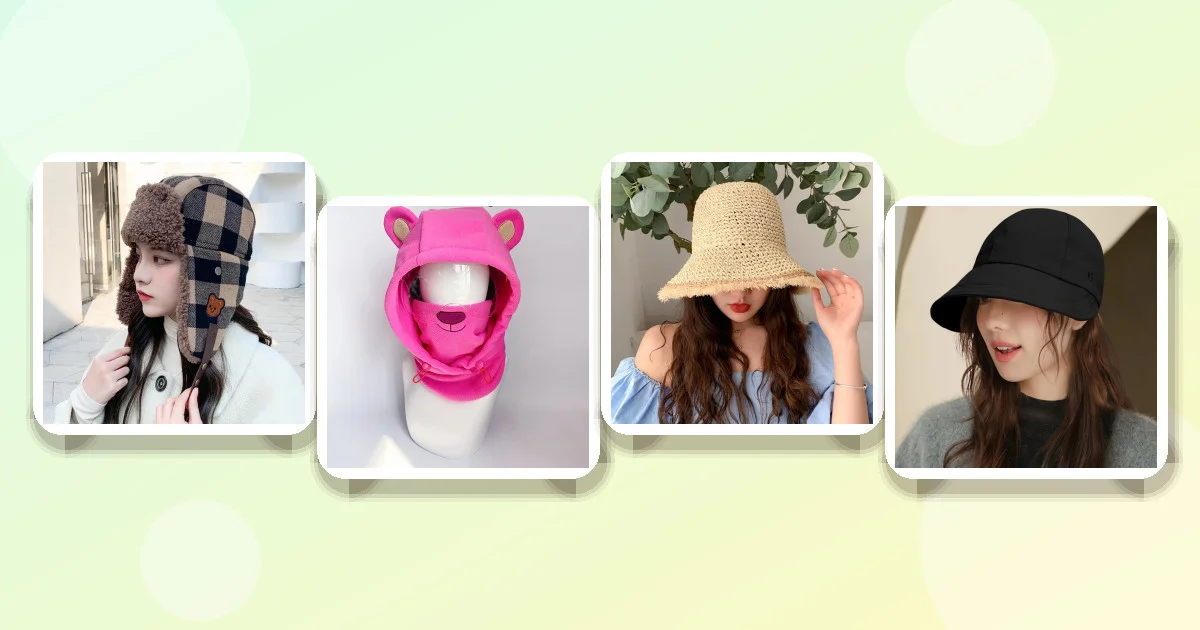
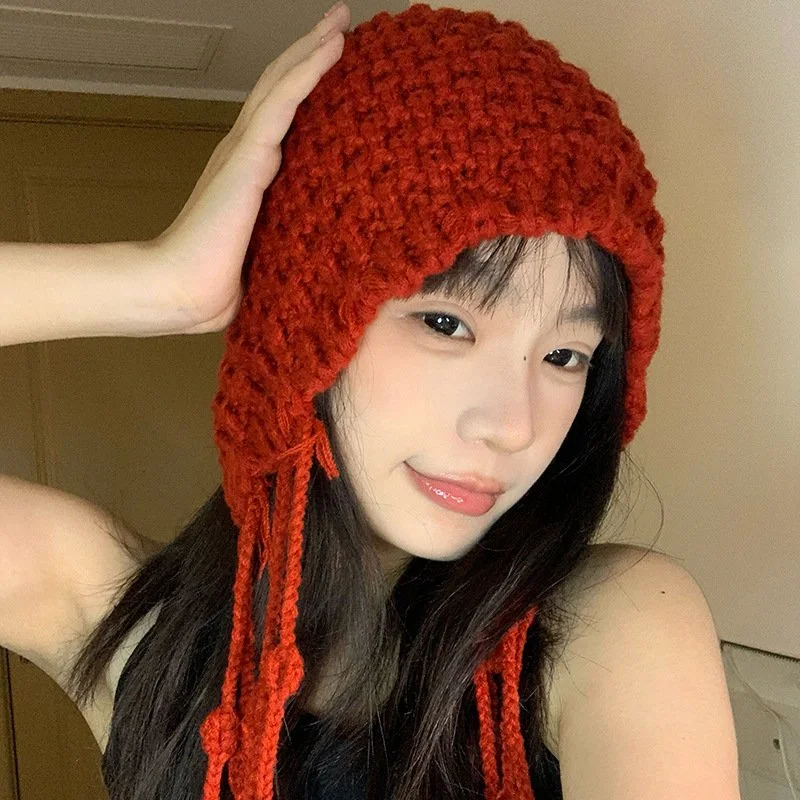
- Ear Flaps: These provide extra warmth for your ears, which are often the first part of your body to feel cold. They are ideal for very windy or cold days. However, they can be bulky and may not look as sleek with certain hairstyles or office outfits.
- Brims: A baseball cap brim protects your eyes from the sun and rain. A beret or beanie has no brim, so you are more exposed to overhead rain. If your commute involves a lot of walking in the rain, a cap with a brim is more functional.
- Adjustability: Some hats have a strap at the back to adjust the fit. This is helpful if you are between sizes or if you plan to wear the hat over a ponytail. If you have long hair, make sure the hat has enough depth to accommodate your hair without feeling tight.
- Windproofing: Some hats are specifically designed to be windproof. This is usually achieved through a tighter weave or a synthetic outer layer. If you commute by bike or in an open area, this is a key feature.
Matching Hat Styles to Commute Scenarios
There is no single "best" hat for everyone. The right choice depends on the specific details of your day. Here is how to match different hat styles to common fall commute scenarios.
The Professional Office Commute
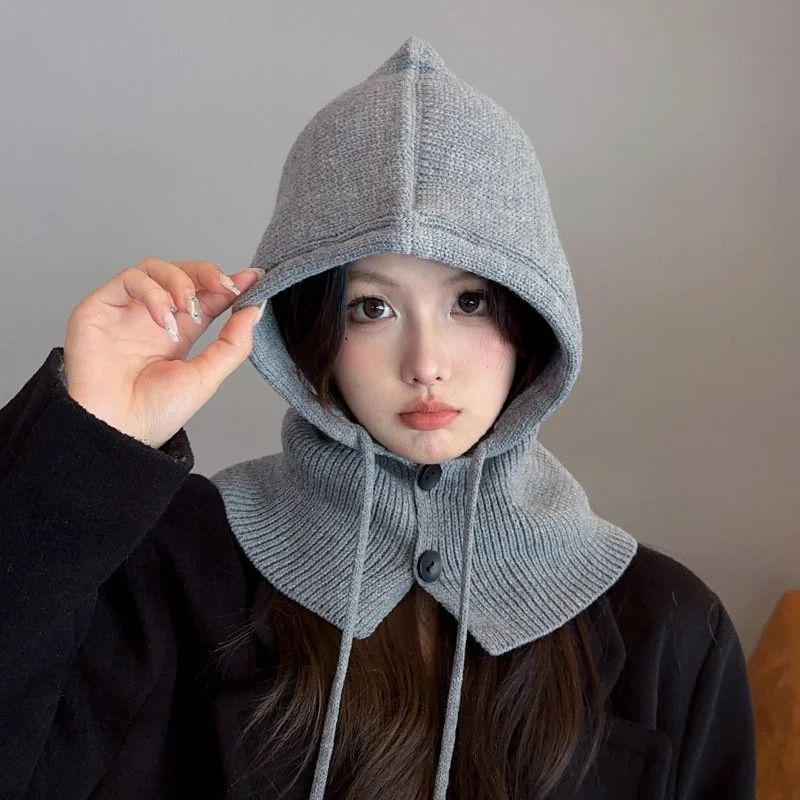
If you work in an office with a business casual or business professional dress code, you need a hat that looks intentional and polished. A messy, slouchy beanie might look like you just woke up. Instead, opt for a structured knit beanie in a neutral color like black, gray, or navy. A beret is another excellent option for a professional look. It adds a touch of sophistication and pairs well with blazers, turtlenecks, and tailored coats. The key is to keep the hat clean and in good shape. A wrinkled or misshapen hat looks unkempt.
For this scenario, avoid logos, bold patterns, or bright colors. Neutral tones blend in with office attire. If you have to remove your hat for the office, choose one that is compact and easy to fold or pack. A beanie folds flat, while a beret can be tucked into a coat pocket. A baseball cap, while possible, is often seen as too casual for strict office environments unless the cap is a high-end, structured style in a neutral fabric.
The Rainy or Windy Walk
If your commute involves walking in the rain or strong wind, functionality comes first. You need a hat that stays on and keeps water off your face. A corduroy baseball cap is a strong contender here. The brim directs rain away from your eyes, and the structured crown keeps the hat secure. Corduroy is also slightly water-resistant, though not fully waterproof. If the rain is heavy, consider a hat with a synthetic outer layer or a wool blend that dries quickly.
For wind, a beanie with ear flaps is ideal. The flaps seal in warmth and prevent the wind from chilling your ears. Make sure the beanie is snug enough not to blow off. A hat with a deep crown is better than a shallow one in windy conditions. If you are walking, avoid hats with wide brims that can catch the wind and act like a sail. A fitted cap or beanie is more aerodynamic and secure.
The Public Transit Ride
On a subway or bus, you are stationary but in a confined space. You may be standing for a long time, and the temperature inside the vehicle can vary. A hat that is too warm might make you sweat, while a hat that is too thin might not provide enough warmth for the walk to the station. A mid-weight knit beanie is a good compromise. It is warm enough for the outdoor portion but breathable enough for the indoor ride.
Also consider the practicality of removal. If you need to take your hat off when you enter the station or office, choose a style that is easy to handle. A beanie is easy to pull off and fold. A baseball cap is easy to hold by the brim. A beret can be tricky to remove if it is loose, so ensure it fits well. If you have long hair, a hat that allows you to easily pull your hair out when you remove it is a plus. Avoid hats with complex closures or straps that are difficult to manage with one hand while holding a phone or bag.
The Casual or Creative Workplace
If you work in a creative field, tech startup, or casual environment, you have more freedom with your hat choice. You can experiment with colors, patterns, and styles. A plaid beret or a patterned beanie can be a fun way to express your personality. A baseball cap is also widely accepted in these settings. You can match the cap to your outfit or use it as a statement piece.
Even in casual settings, comfort is key. You still want a hat that fits well and feels good to wear for several hours. Look for soft materials and a comfortable fit. If you are on your feet a lot, avoid hats that are too tight or have rough seams that rub against your skin. A well-fitted, comfortable hat will make your day more enjoyable, regardless of the dress code.
Product Comparison: Best Hats for Fall 2024
Below is a comparison of six specific hats that cover a range of styles, materials, and price points. Each product is selected for its suitability for different commute scenarios. Note that prices and availability can change, so always check the latest details before purchasing.
| Product | Price | Type/Material | Options | Best For |
|---|---|---|---|---|
|
Warm Women's Knit Beanie with Dragon Phoenix Design
🏆 Top pick
|
$10.84 | Knit Beanie | 6 Colors | Casual, creative workplaces; those who want a unique design element. |
|
Warm Ear Protection Knitted Beanie
⭐ Editor's pick
|
$8.40 | Knitted Beanie with Ear Protection | 4 Colors | Windy or cold commutes; outdoor workers; those who need extra ear warmth. |
|
Cozy Knit Beanie for Women
⭐ Editor's pick
|
$74.80 | High-Quality Knit Beanie | 5 Colors | Professional look; those seeking premium comfort and a flattering fit for all face shapes. |
|
Warm Beanie for Women - Thermal Knitting Woolen Cap
⭐ Editor's pick
|
$12.04 | Thermal Knitting Woolen Cap (Polyester) | 4 Colors | Windproof needs; breathable comfort; those who prefer a soft synthetic feel. |
|
Autumn & Winter Corduroy Baseball Cap for Women
⭐ Editor's pick
|
$11.28 | Corduroy Baseball Cap | 6 Colors | Rainy or windy walks; casual offices; those who prefer a brim for eye protection. |
|
Plaid Octagonal Beret for Women
⭐ Editor's pick
|
$8.84 | Cotton Plaid Beret | 4 Colors | Professional/creative look; mild weather; those who want a stylish, vintage-inspired option. |



Detailed Product Recommendations
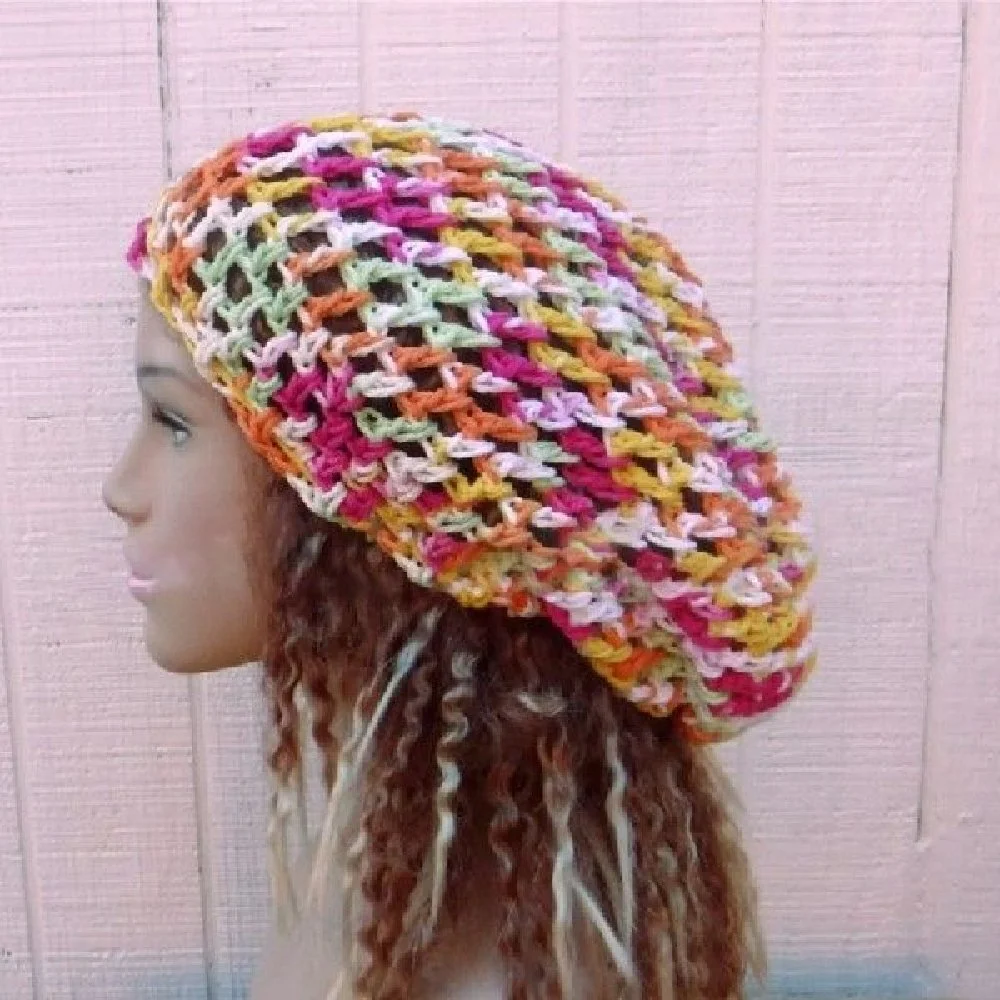
1. Warm Women's Knit Beanie with Dragon Phoenix Design
This is a cozy knit beanie featuring a unique dragon and phoenix design. It is available in six colors, including light gray, dark gray, black, beige, khaki, and rose purple. The design adds a bold, artistic element to your outfit.
Best for Women who work in creative industries or prefer a casual, expressive style and want a hat that stands out.- Pro: Unique design that adds personality to your fall wardrobe.
- Pro: Multiple color options allow for easy matching with different outfits.
- Con: The bold pattern may be too casual for strict business professional environments.
2. Warm Ear Protection Knitted Beanie
This soft, knitted beanie includes ear protection for added warmth. It is available in rose, pink, black, and white. It is designed for outdoor activities and everyday wear, offering sun protection as well.
Best for Commuters who face strong winds or cold temperatures and need extra coverage for their ears.- Pro: Ear flaps provide significant warmth in windy conditions.
- Pro: Soft knit material ensures comfort against the skin.
- Con: The ear flaps can be bulky and may interfere with certain hairstyles or office aesthetics.
3. Cozy Knit Beanie for Women
Made from high-quality, light fabric, this beanie is designed for ultimate comfort. It is suitable for long or short hair and flatters small, square, or round face shapes. Available in five colors, including black red, black, coffee red, iridescent, and coffee black.
Best for Professional women who want a premium, comfortable hat that looks polished and fits well regardless of face shape.