Autumn weather is unpredictable. Mornings are crisp, afternoons are mild, and the transition between outdoor transit and indoor office heating creates a constant temperature swing. Many professional women struggle with this shift. Wear too many layers, and you feel hot and bulky at your desk. Wear too few, and you arrive shivering. The solution is not to buy more clothes, but to layer smarter. This guide walks you through building a reliable layering system using blouses as a functional base and sweaters as a removable outer shell. You will learn how to match fabrics, manage fit, and select colors that work in a corporate environment.
The Three Rules of Professional Layering
Layering is not just about stacking clothes. It is about managing volume and function. In an office setting, your layers must transition from "commute mode" to "desk mode" without looking disheveled. Three simple rules govern this transition.
Rule 1: The Base Must Be Lightweight
Your first layer, usually a blouse, should be thin enough to disappear under a sweater. If the base layer is heavy, the outer layer will look bulky. Look for blouses made from silk, fine cotton, or lightweight synthetic blends. These fabrics slide easily under knits and do not add significant bulk to your torso. A heavy flannel shirt or a thick turtleneck will create a "blocky" silhouette that is difficult to style professionally over a second layer.
Rule 2: The Outer Layer Must Be Removable
You need to shed the outer layer when you enter the heated office. This means avoiding heavy zippers, complex closures, or tight fits that are hard to pull off. A pullover sweater or a cardigan with easy-access buttons is ideal. The outer layer should be substantial enough to block wind and cold during your commute but not so heavy that it is difficult to store in a cubicle or closet.
Rule 3: Contrast Creates Structure
Layering looks sloppy when all layers are the same color and texture. To keep the look sharp, use contrast. If your sweater is a solid neutral color, your blouse can have a subtle pattern or a slightly different shade. If your blouse is white, a darker sweater creates a clean frame for your face. This visual distinction makes the outfit look intentional rather than just "too cold."
Choosing the Right Blouse Base
The blouse is the foundation of your layered look. It determines how the outer sweater hangs and how the outfit feels against your skin. For a professional commute, you want a blouse that is structured but not stiff. It should hold its shape when you are wearing the sweater, but it should not bunch up uncomfortably when you remove it.
Neckline Considerations
The neckline of your blouse is the most visible element when the sweater is on. A high-neck blouse can look intimidating under a crew-neck sweater. Instead, opt for a boat neck, a modest V-neck, or a standard crew neck. These necklines sit comfortably under most sweater styles. If you prefer to show a bit of the base layer, a blouse with a small collar or a subtle detail at the neckline can peek out from under a V-neck sweater, adding a layer of visual interest without being distracting.
Recommended Base Options
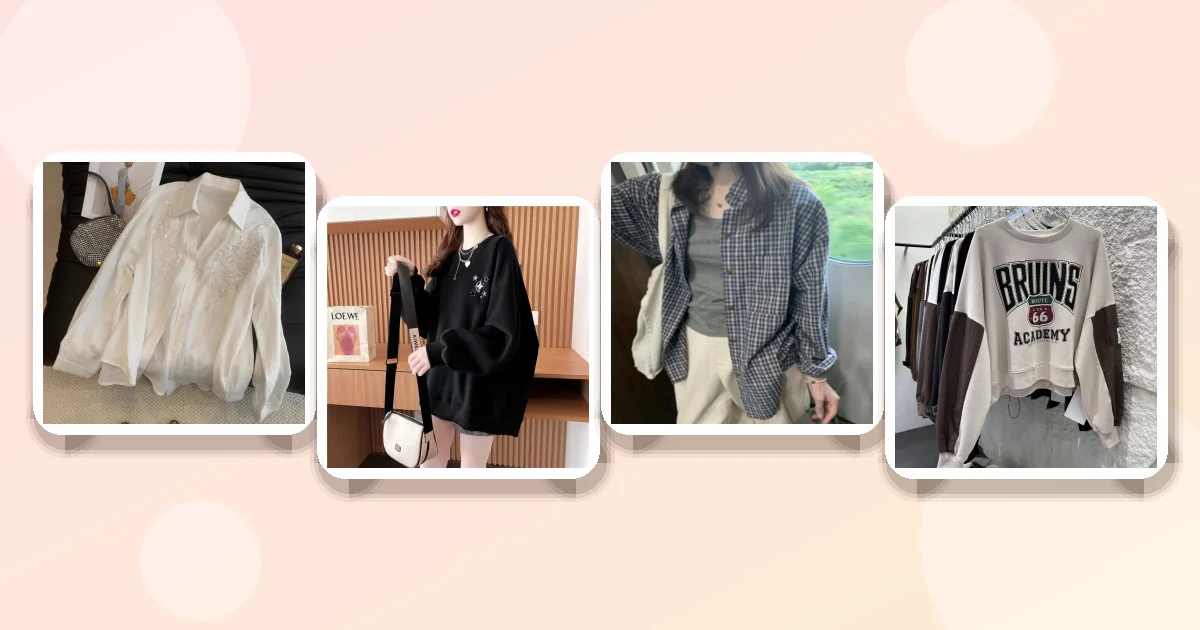
For a modern, subtle approach, consider a blouse with a slight sheen. A Long-sleeve Sequin Single-breasted Loose-fit Blouse Top Offers a way to add texture without being loud. The loose fit ensures it does not cling to the body, which is crucial when layering.
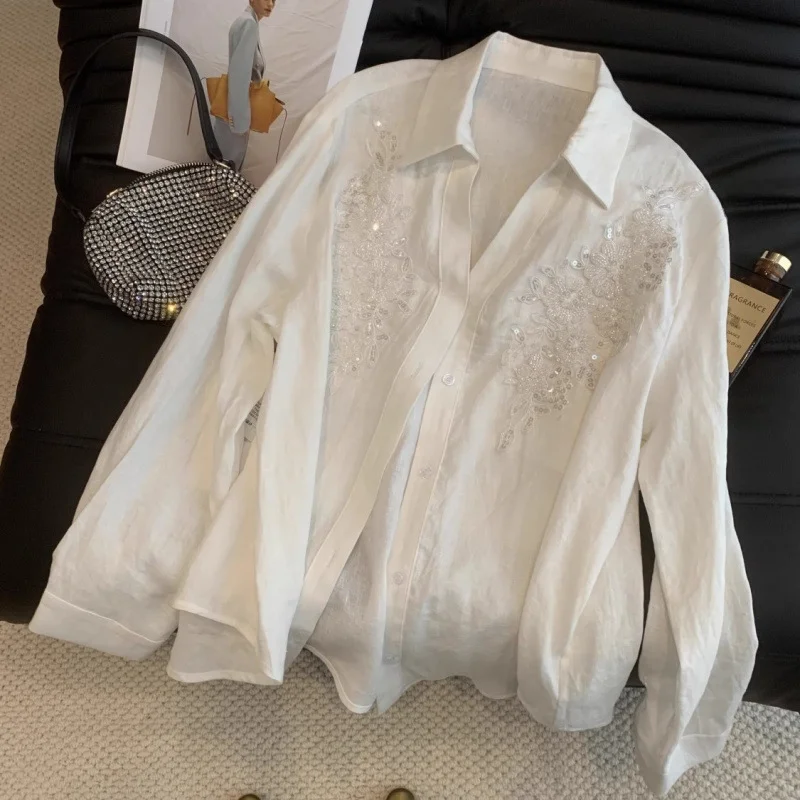
- Pro: The loose fit prevents bunching under thick sweaters.
- Pro: The sequin detail provides visual interest that remains visible even when partially covered.
- Con: Sequins can snag on rough knit textures, so handle with care.
If you prefer a classic, preppy aesthetic, a plaid shirt is a reliable base. A Blue Plaid Women's Loose Long-sleeved Shirt Works well because the pattern breaks up solid blocks of color. The loose cut allows for easy movement and layering.
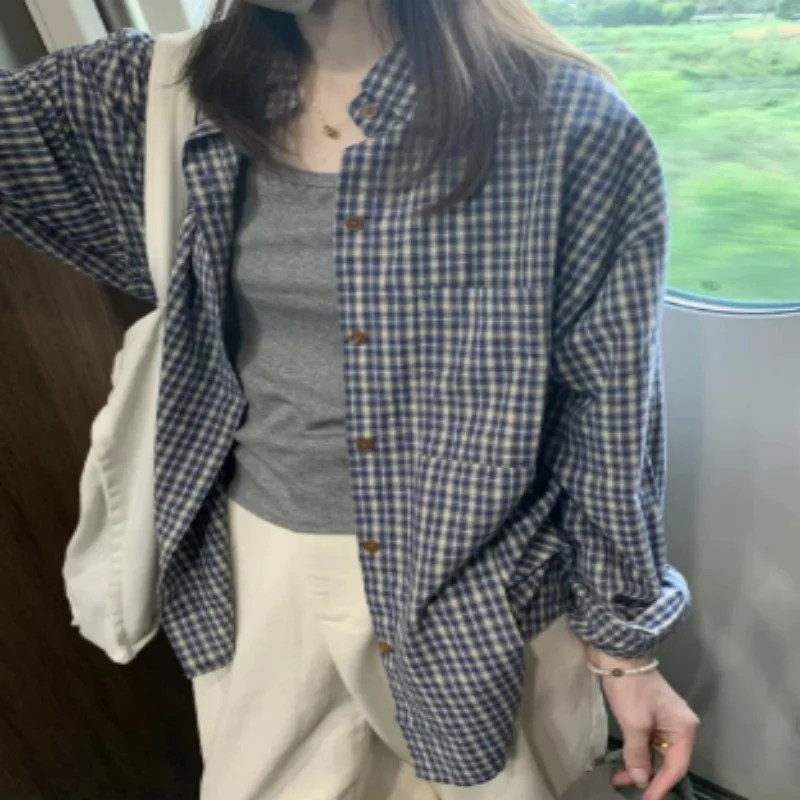
- Pro: Plaid patterns are versatile and pair well with neutral sweaters.
- Pro: The loose fit provides a comfortable buffer between skin and outer layer.
- Con: Check the sleeve length to ensure it does not extend too far past the sweater cuff.
Selecting the Ideal Outer Sweater
The outer sweater is your shield against the cold. It needs to be warm enough for the commute but not so heavy that it feels like a blanket at your desk. The key is finding a balance between insulation and breathability. You want a sweater that traps heat effectively but allows moisture to escape so you do not feel clammy when you sit down.
Fit and Silhouette
Avoid tight, body-hugging sweaters for layering. They restrict movement and highlight the bulk of the base layer. Instead, choose a relaxed or loose fit. This creates a "drape" that looks intentional and stylish. A relaxed fit also allows the blouse underneath to breathe, reducing the chance of overheating. Look for sweaters with a slightly longer hemline. This helps keep your core warm and covers the waistband of your trousers or skirt when you sit down.
Recommended Outer Options
For maximum warmth during a long commute, a fleece-lined sweater is an excellent choice. A Cozy Fleece-Lined Round Neck Loose Winter Sweater Provides an extra layer of insulation without adding excessive bulk. The round neck is a classic choice that works with almost any base layer.
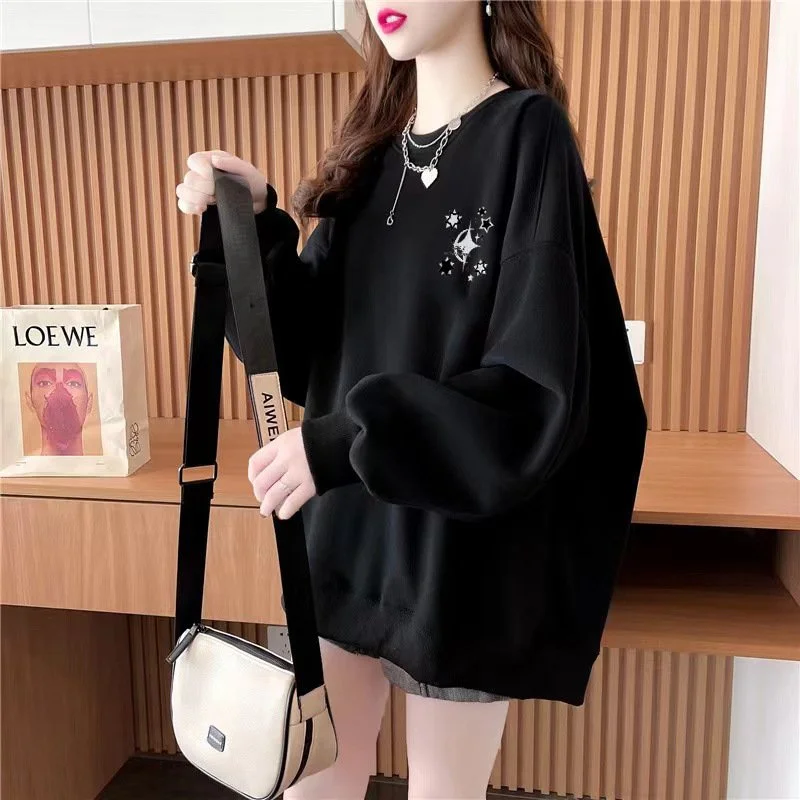
- Pro: Fleece lining provides high warmth-to-weight ratio.
- Pro: Relaxed fit allows for easy layering over blouses and shirts.
- Con: Fleece can trap heat, so it may be too warm for mild autumn days.
If you prefer a more casual, graphic look that still fits a business casual dress code, a printed pullover can work. A Letter Printed Loose Patchwork Long Sleeved Pullover Offers a contemporary style. The patchwork design adds visual interest, and the loose fit ensures comfort.
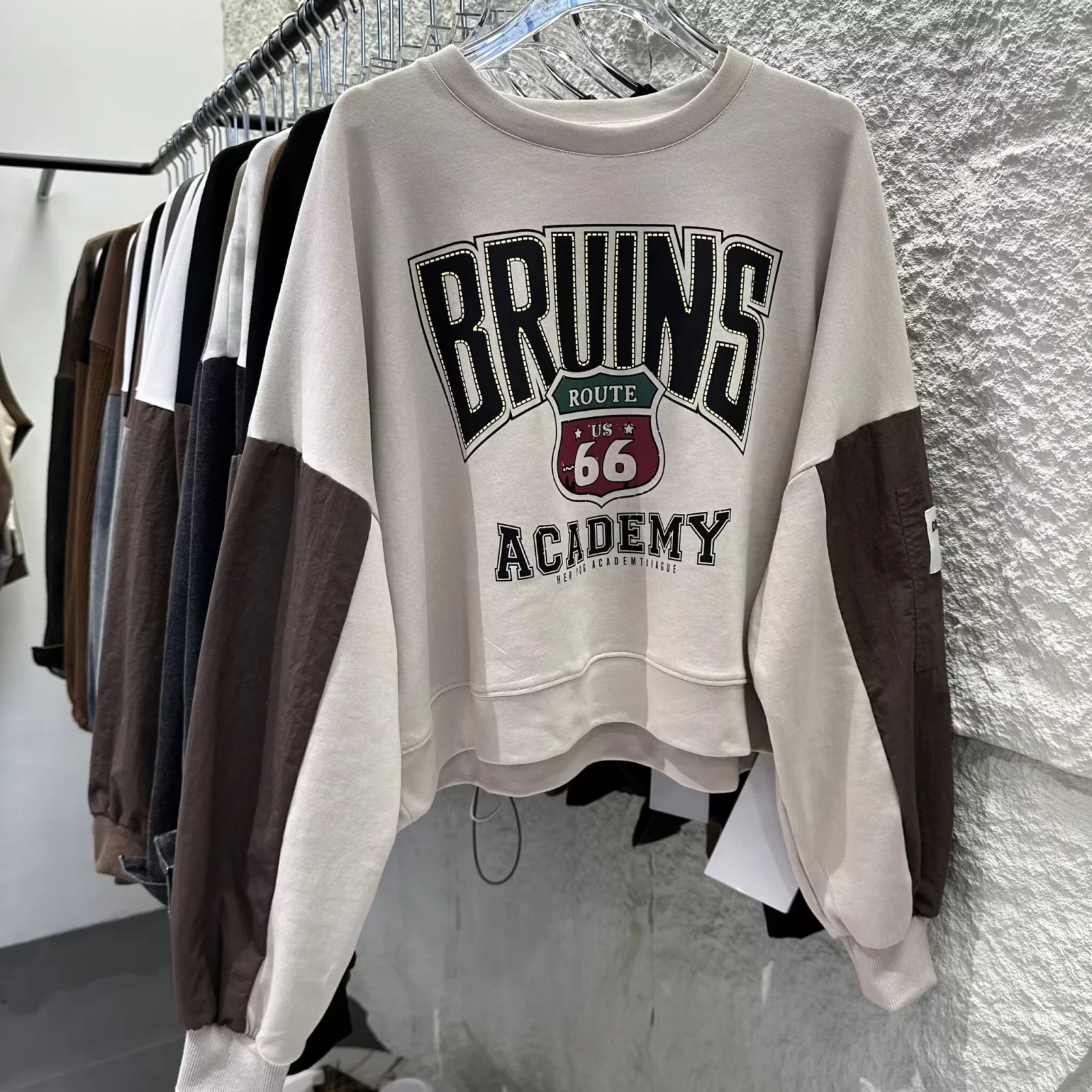
- Pro: The patchwork design breaks up the monotony of solid colors.
- Pro: Pullover style is easy to remove quickly when entering the office.
- Con: Graphic prints may not be suitable for strict corporate dress codes.
For a versatile option that can be worn alone or layered, a hoodie is a modern choice. A Women's Printed Relaxed-Fit Hoodie Sweatshirt Provides a sporty-chic vibe. The hood can protect your neck from wind during the commute.
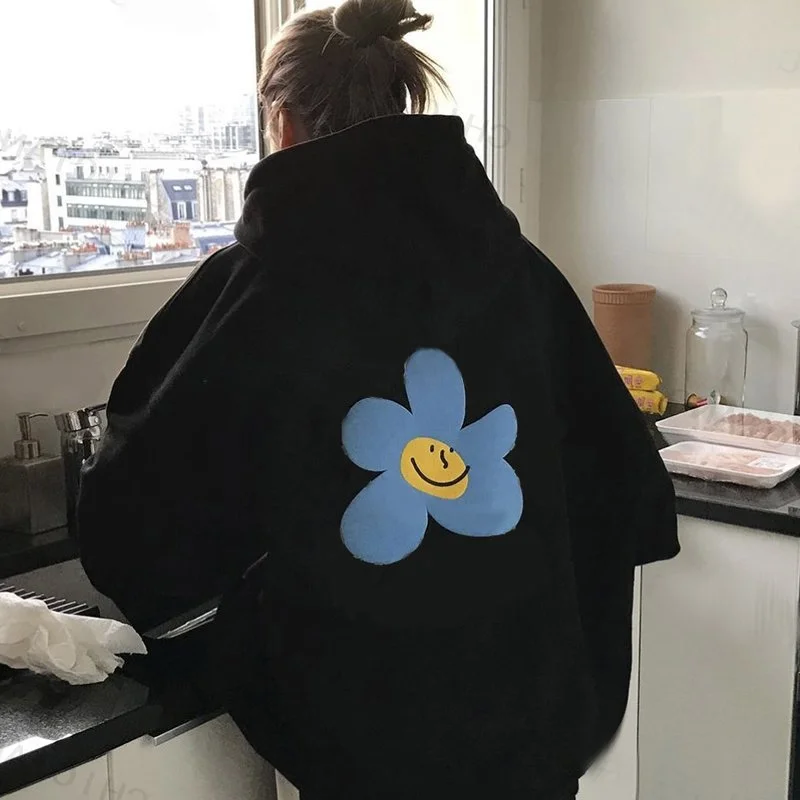
- Pro: The hood offers additional protection against wind and cold.
- Pro: Soft polyester blend is easy to care for and durable.
- Con: The casual vibe may not align with traditional office attire.
For a minimalist approach, a simple solid-color sweater is hard to beat. A Cozy Loose Casual Sweater for Women In a neutral print offers a clean, understated look. The cotton and polyester blend makes it soft and durable.

- Pro: Neutral colors and simple design make it highly versatile.
- Pro: Cotton blend is breathable and comfortable for extended wear.
- Con: May not provide enough insulation for very cold commutes.
Product Comparison: Best Layering Options
Choosing the right combination of blouse and sweater depends on your specific climate and workplace dress code. The table below compares the recommended products based on price, type, available options, and ideal use case. Use this to identify which combination fits your needs.
| Product | Price | Type/Material | Options Available | Best For |
|---|---|---|---|---|
| Long-sleeve Sequin Single-breasted Loose-fit Blouse Top | $31.32 | Blouse (Sequin detail) | Not specified in facts | Adding subtle texture and polish under solid sweaters |
| Cozy Fleece-Lined Round Neck Loose Winter Sweater | $40.04 | Sweater (Fleece-lined) | 20 Color-Size options (Black, White, etc.) | Cold commutes requiring high warmth without bulk |
| Blue Plaid Women's Loose Long-sleeved Shirt | $18.04 | Shirt (Plaid) | Not specified in facts | Classic preppy layering under neutral sweaters |
| Letter Printed Loose Patchwork Long Sleeved Pullover | $60.44 | Sweater (Patchwork/Print) | 6 Color-Size options (Black, Brown, Khaki) | Creative/casual offices seeking a modern graphic look |
| Women's Printed Relaxed-Fit Hoodie Sweatshirt | $54.32 | Hoodie (Polyester blend) | 8 Color-Size options (Black) | Casual workplaces where hoodies are acceptable |
| Cozy Loose Casual Sweater for Women | $16.56 | Sweater (Cotton/Poly blend) | 18 Color-Size options (Blue, Beige, Gray) | Building a versatile capsule wardrobe with neutral basics |
Notice the price range. You can build a complete layering system for under $100. The blue plaid shirt and the cozy casual sweater are the most affordable entry points. The fleece-lined sweater is a mid-range investment that offers significant functional benefits. The hoodie and patchwork pullover are on the higher end, reflecting their more specific stylistic choices.
Fit, Sizing, and Fabric Details
Even the best fabrics will look bad if the fit is wrong. Sizing for layering is different from sizing for single layers. You need to account for the thickness of the base layer. Here is how to navigate sizing and fabric choices.
Sizing Up vs. Staying True
Generally, you should stay true to your size in the outer sweater if it is a loose or relaxed fit. If the sweater is labeled "slim fit," you may need to size up to accommodate the blouse underneath. Check the size chart for each product. Look at the chest and shoulder measurements. The shoulder seam should land exactly on your shoulder bone. If it slips off, the sweater is too big. If it pulls across the back, it is too small. For the base blouse, a loose fit is preferred. It should not be tight against your skin, as this can cause discomfort and visible panty lines or bra straps to show through the sweater.
Fabric Weight and Breathability
Fabric weight is measured in grams per square meter (GSM), though most retail products do not list this. You can estimate weight by feel. A good base layer should feel light and smooth. If it feels heavy or stiff, it will add bulk. For the outer layer, you want a medium weight. Too light, and you will be cold. Too heavy, and you will be hot indoors. Natural fibers like cotton and wool are breathable. They absorb moisture and release it, keeping you dry. Synthetic fibers like polyester are less breathable but dry quickly. A blend of cotton and polyester, like the Cozy Loose Casual Sweater for Women, offers a balance of softness and durability. The cotton provides comfort, while the polyester adds shape retention and quick-drying properties.
Managing Bulk at the Neck and Shoulders
The neck and shoulder area is where layering often goes wrong. If your blouse has a thick collar and your sweater has a high neck, you will create a "turtle" effect that can look bulky and unflattering. To avoid this, choose a blouse with a lower neckline if your sweater has a high neck. Alternatively, choose a V-neck sweater if your blouse has a higher neckline. The goal is to create a clean line from your chin to your chest. Avoid multiple thick collars. One collar is enough. If your blouse has a collar, let it peek out slightly. If it does not, the sweater neckline should sit comfortably around your neck without gaping or pulling.
Common Layering Mistakes to Avoid
Even with the right pieces, execution matters. These are the most common mistakes professional women make when layering for the fall commute. Avoiding them will make your outfit look polished and intentional.
Mistake 1: Wearing Too Many Layers Indoors
It is easy to overdo it in the morning. You feel cold on the train, so you add another layer. By the time you reach the office, you are wearing three or four layers. This leads to overheating and sweating, which can be uncomfortable and distracting. Stick to two main layers: the blouse and the sweater. If you are still cold, add a scarf or a light jacket on top of the sweater, rather than adding another shirt underneath. This way, you can remove the outermost item quickly when you enter the building.
Mistake 2: Ignoring Sleeve Length
Your sleeves should end at the base of your thumb, not at your wrist. If your blouse sleeves are too long, they will stick out of the sweater cuffs, creating a messy look. If they are too short, they will pull up when you move, revealing the sweater sleeve. When trying on a layered outfit, move your arms. Raise them, cross them, type on a keyboard. Ensure the sleeves stay in place. If the blouse sleeves are too long, you can roll them up slightly, but it is better to choose a blouse with appropriate sleeve length for your height.
Mistake 3: Clashing Patterns
Layering patterns is a skill. If you are new to it, keep it simple. Pair a solid sweater with a patterned blouse, or a patterned sweater with a solid blouse. Avoid pairing two large, busy patterns. For example, a large plaid shirt under a large floral sweater will be visually overwhelming. If you want to mix patterns, vary the scale. A small polka dot blouse under a large houndstooth sweater works well because the small pattern serves as a texture rather than a competing design. When in doubt, stick to neutrals. A solid black or gray sweater is the safest bet for layering over any blouse.
Mistake 4: Forgetting About Comfort
Style is irrelevant if you are uncomfortable. If the layering is too tight, you will be constantly adjusting your clothes. This breaks your concentration and looks unprofessional. Ensure there is enough room between the layers to move freely. Sit down, stand up, and stretch. If you feel restricted, the fit is too tight. Comfort is the foundation of a professional look. If you are comfortable, you will carry yourself with confidence.
Care and Styling Tips for Longevity
Proper care extends the life of your clothes and keeps them looking sharp. Sweaters and blouses require different care methods. Following these tips will save you money in the long run.
Caring for Sweaters
Most sweaters, especially those with fleece lining or blends, can be machine washed. However, always check the care label. Use cold water and a gentle cycle. Avoid using bleach, as it can damage fibers and colors. Dry your sweaters flat to maintain their shape. Hanging a heavy, wet sweater can stretch it out, leading to a baggy, unflattering fit. If your sweater has a patchwork design, like the Letter Printed Loose Patchwork Long Sleeved Pullover, check for any loose threads after washing. Gently trim any fuzzballs with a fabric shaver to keep the surface smooth.