It is 55 degrees outside, the wind is picking up, and your favorite summer blouse feels dangerously thin. You reach for a heavy coat, but that is overkill for the office or a lunch date. You need a middle ground: a layer that adds warmth without adding volume. The problem with most fall layering advice is that it focuses on heavy coats or thick hoodies, which can make a delicate blouse look like a costume. This guide skips the generic "wear a sweater" advice and gives you seven specific, actionable outfit formulas. You will learn how to mix fabrics, manage proportions, and select the right outerwear to extend the life of your blouse wardrobe into the cold months.
Understanding the Basics of Fall Blouse Layering
Layering is not just about stacking clothes; it is about managing heat and silhouette. A blouse is typically made from thinner materials like cotton, silk, or fine polyester. On its own, it provides little insulation. When you add a layer, you create air pockets that trap body heat. However, if every layer is tight, you restrict blood flow and actually feel colder. The goal is to create a "loose fit" in the middle layers so air can circulate, while keeping the outermost layer structured or slightly fitted to block wind.
Proportions and Silhouette
The most common mistake in fall layering is the "double V" or "double box" effect. If you wear a fitted blouse under a fitted sweater, the result looks boxy and restrictive. Instead, aim for contrast. A fitted blouse pairs well with an oversized or loose knit. A loose, billowy blouse works better under a structured jacket or a fitted cardigan. Think of your outfit as a series of lines. If the bottom line is wide (like wide-leg pants), keep the top lines narrower (fitted blouse, fitted sweater). If the bottom line is narrow (slim jeans), you can afford a wider top line (loose sweater, blazer).
Material Compatibility
Fabric weight matters more than fabric type. A heavy silk blouse can feel cold if the air is moving, while a thin cotton shirt might feel scratchy against a wool sweater. For fall, look for mid-weight knits for sweaters and medium-weight fabrics for jackets. Avoid pairing very smooth, slippery fabrics (like satin) directly against rough textures (like chunky cable knit) if you have sensitive skin, as this can cause friction. If you do pair them, wear a thin cotton undershirt or ensure the knit is brushed on the inside. The key is to balance texture so the outfit looks intentional, not accidental.
7 Specific Outfit Ideas for Fall
Here are seven concrete ways to style your existing blouses for cooler temperatures. These combinations focus on versatility, using pieces you likely already own or can easily add to your rotation.
1. The Button-Down Under a Chunky Knit
This is the classic fall look. Start with a solid-colored button-down blouse in white, black, or a neutral tone. Wear a chunky, loose-fitting sweater over it. Leave the top two buttons of the blouse undone to create a V-neck effect, and let the collar peek out. The contrast between the smooth shirt and the textured knit adds visual interest. This works best when the sweater is slightly oversized. If the sweater is too tight, the blouse collar will bunch up and look messy. Tuck the blouse into your pants or skirt to define your waist and prevent the outfit from looking like a tent.
2. Silk Blouse with a Cardigan
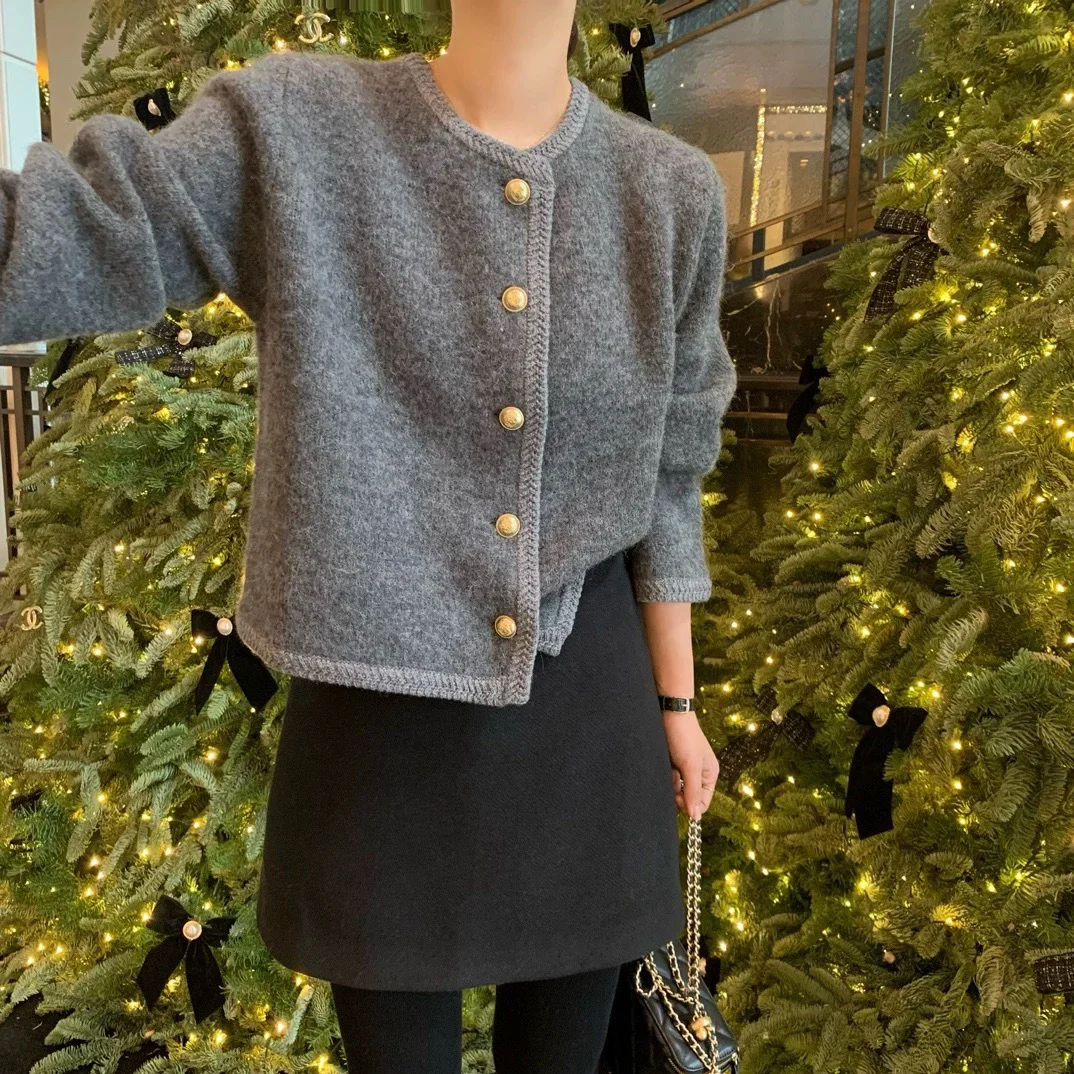
Silk blouses are delicate and can feel cold in the morning. A medium-weight cardigan is the ideal solution. Choose a cardigan in a solid color that complements the silk. For example, a beige silk blouse pairs well with a dark gray or navy cardigan. Button the cardigan up to the chest for a professional look, or leave it open for a more relaxed vibe. The key here is length. The cardigan should hit mid-thigh or at the hip. If it is too short, it will ride up when you sit, exposing the blouse. If it is too long, it can swallow your frame. This combination is perfect for office environments where you need to appear polished but also need to remove a layer if the heating is on.
3. Blouse Over a Fitted T-Shirt
You can wear a t-shirt under a blouse in autumn, provided you manage the volume. Choose a thin, fitted white or black t-shirt as your base. Wear the blouse over it, leaving the blouse open or unbuttoned. This adds a layer of insulation without adding bulk to the chest area. This look is best with casual blouses, such as those with lantern sleeves or a relaxed fit. Avoid using this technique with structured, stiff blouses, as the extra layer underneath will distort the shape. This outfit works well for casual Fridays or weekend errands. It is warm enough for 50-degree weather but breathable enough if you step inside a heated building.
4. The Fleece Jacket Layer
For days when the wind is strong but it is not freezing, a fleece jacket is a practical choice. A button-front fleece jacket provides wind protection that a cardigan cannot. Wear a simple, smooth blouse underneath. Because fleece is often bulky, choose a blouse with a simple neckline, such as a round neck or a small V-neck. Avoid ruffles or large collars that will get trapped under the fleece collar. This combination is ideal for outdoor activities, like walking the dog or running errands in the car. It is casual, comfortable, and easy to move in. The warmth comes from the fleece trapping heat, while the blouse keeps you from feeling sweaty if you go indoors.
5. Knit Button-Up as a Mid-Layer
Many women overlook knit button-up tops as layering pieces. A geometric or patterned knit button-up can serve as a mid-layer between a thin blouse and a coat. Wear a plain, light-colored blouse underneath. Button the knit top up to the chest or leave it open. This adds texture and color without the weight of a full sweater. It is perfect for transition days when the temperature fluctuates between 55 and 65 degrees. The knit fabric is breathable, so you won't overheat. This look is modern and stylish, suitable for casual work environments or social outings. It allows you to remove the knit layer if you enter a warm space, revealing a complete outfit underneath.
6. Hoodie with a Blouse for Casual Edge
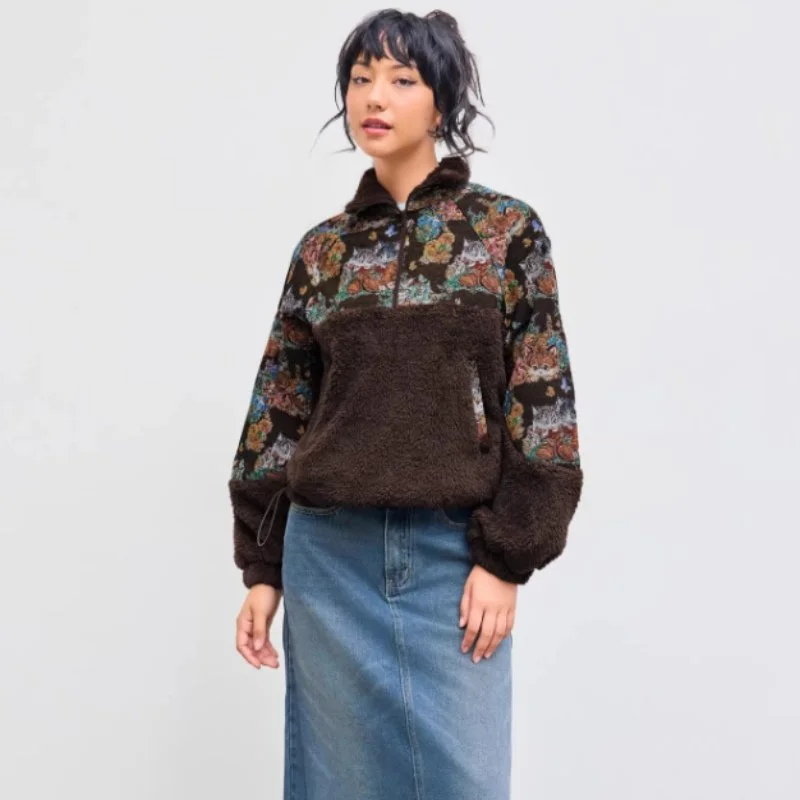
Yes, you can wear a hoodie with a blouse. The key is to choose a hoodie with a structured collar or a zipper, rather than a loose, slouchy pullover. A turn-down collar hoodie adds a sharp element to the outfit. Wear a fitted blouse underneath, tucking it in. The contrast between the feminine blouse and the sporty hoodie creates a balanced, contemporary look. This is best for casual settings. The hoodie provides significant warmth, making it suitable for colder fall days. Ensure the hoodie is not too oversized, or the blouse will get lost. This combination is practical for travel or long days out where you need comfort and warmth.
7. Layering with a Light Coat
For the coldest fall days, layer your blouse with a sweater and then a light coat. The blouse acts as the base layer, the sweater provides the bulk insulation, and the coat blocks the wind. Choose a coat that is not too bulky, such as a trench or a light wool blend. The blouse should be smooth and thin to avoid adding extra volume. This three-layer approach is essential for temperatures below 45 degrees. It allows you to adjust your warmth by removing the coat or the sweater as needed. This is the most versatile look for fall, suitable for commuting, working outdoors, or evening events.
How to Choose the Right Layering Pieces
Selecting the right pieces requires attention to fit, material, and function. Not all sweaters or jackets work for layering. Here is what to look for when shopping or organizing your closet.
Fit and Sizing
Fit is the most critical factor. For layering, outer pieces should have a "loose fit" or be slightly oversized. If a sweater fits you perfectly when worn alone, it will be too tight when worn over a blouse. Look for garments with a relaxed silhouette. Check the size chart carefully, especially for brands that use Asian sizing, which often runs 1-2 sizes smaller than US/EU standards. If you are between sizes, choose the larger one. This ensures you can fit a blouse underneath without pulling the fabric. Allow for 2-3 cm variance in measurements due to manual processing. A loose fit allows for airflow and comfort, which are essential for all-day wear.
Material Considerations
Material determines how warm and comfortable the layer will be. Knits made from acrylic or wool blends are common for sweaters and offer good insulation. Fleece jackets, often made from polyester, provide excellent wind resistance and warmth without the weight of wool. Look for "thick" or "medium" thickness ratings on product descriptions. Thick fabrics are better for colder days, while medium thickness is ideal for mild fall weather. Avoid materials that are too stiff or scratchy, as these will be uncomfortable when worn over a blouse. Soft, brushed fabrics on the inside of sweaters and jackets prevent irritation against the skin or the blouse fabric.
Function and Style
Consider how you will use the layer. Do you need a piece that can be easily removed and re-added? A cardigan or a button-front fleece is easier to manage than a pullover sweater. Do you need a professional look for work? A structured cardigan or a knit button-up is more appropriate than a hoodie. Do you need maximum warmth for outdoor activities? A thick knit sweater or a fleece jacket is better. Match the function of the layer to the context of your day. Having a few versatile pieces that can transition from work to casual settings will maximize your wardrobe's utility.
Comparison: Key Layering Options
Below is a comparison of specific layering pieces that work well with blouses. These options cover a range of styles, from casual fleece to structured knits. Prices and availability can change, so check current listings.
| Product | Price | Type/Material | Key Features | Best For |
|---|---|---|---|---|
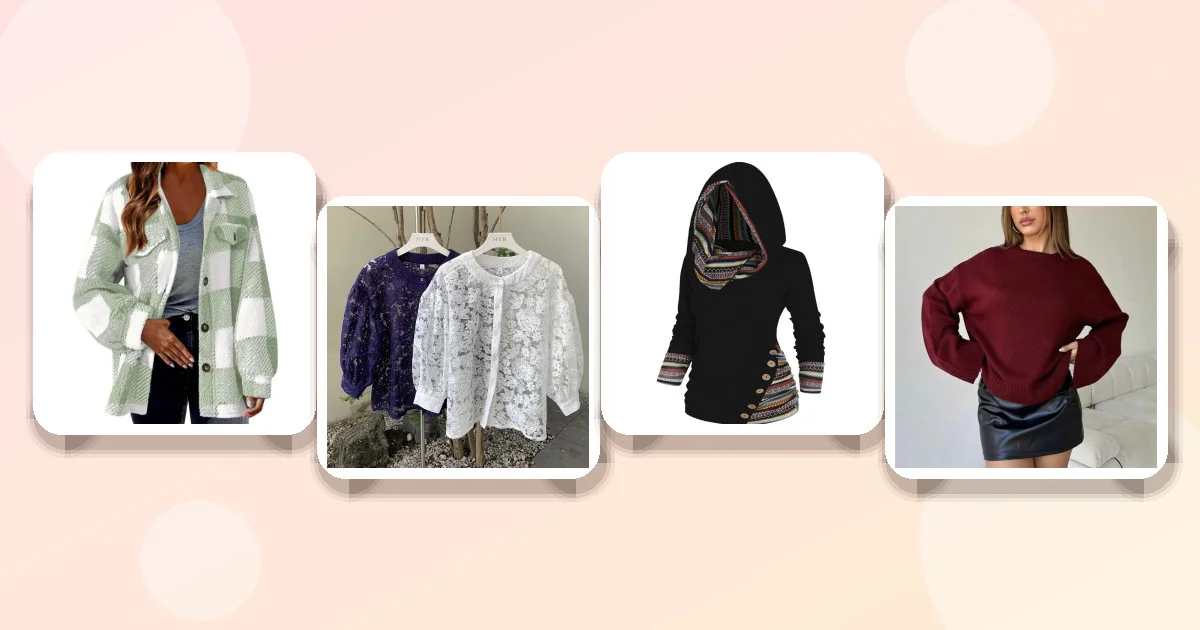
| Lamb Fleece Jacket Button Fleece Jacket | $17.96 | Polyester Fleece, Thick | Loose fit, button front, 20 color-size options | Casual days, wind protection, budget-friendly layer |
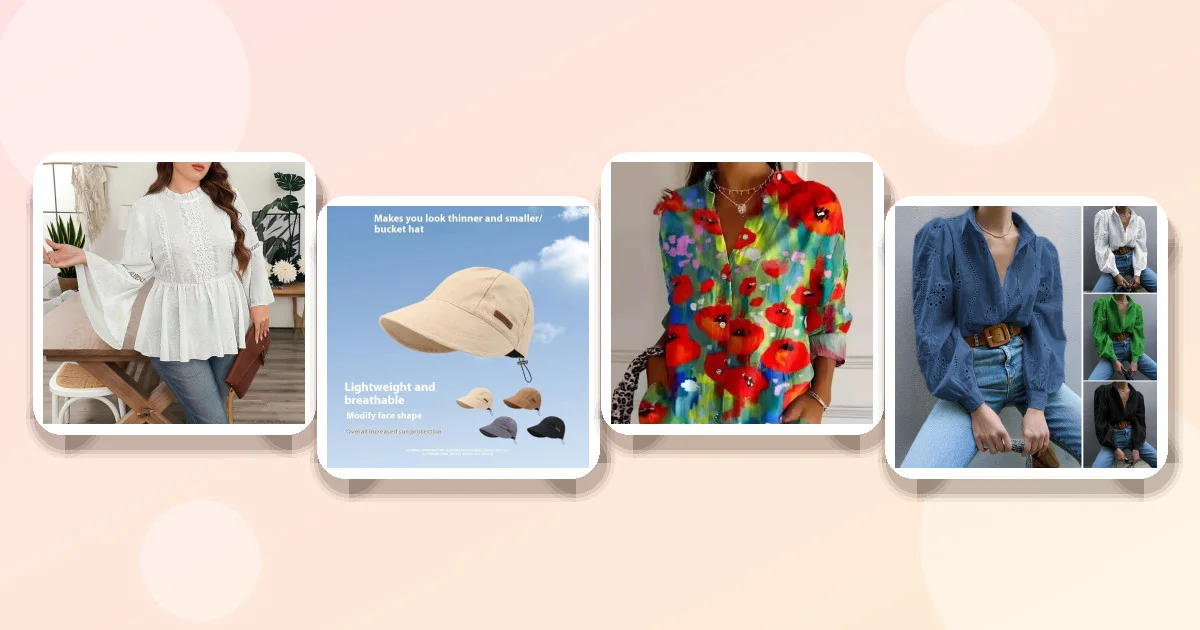
| Lantern Sleeve Round Neck Lace Blouse | $23.88 | Blouse (Lace/Textured) | Round neck, lantern sleeves, versatile base | Adding texture under sweaters, casual to semi-formal |
| Women's Geometric Knit Button-Up Long Sleeve Top | $31.84 | Knit, Long Sleeve | Geometric pattern, button-up, 56 options | Mid-layer for work, adding color, cool days |
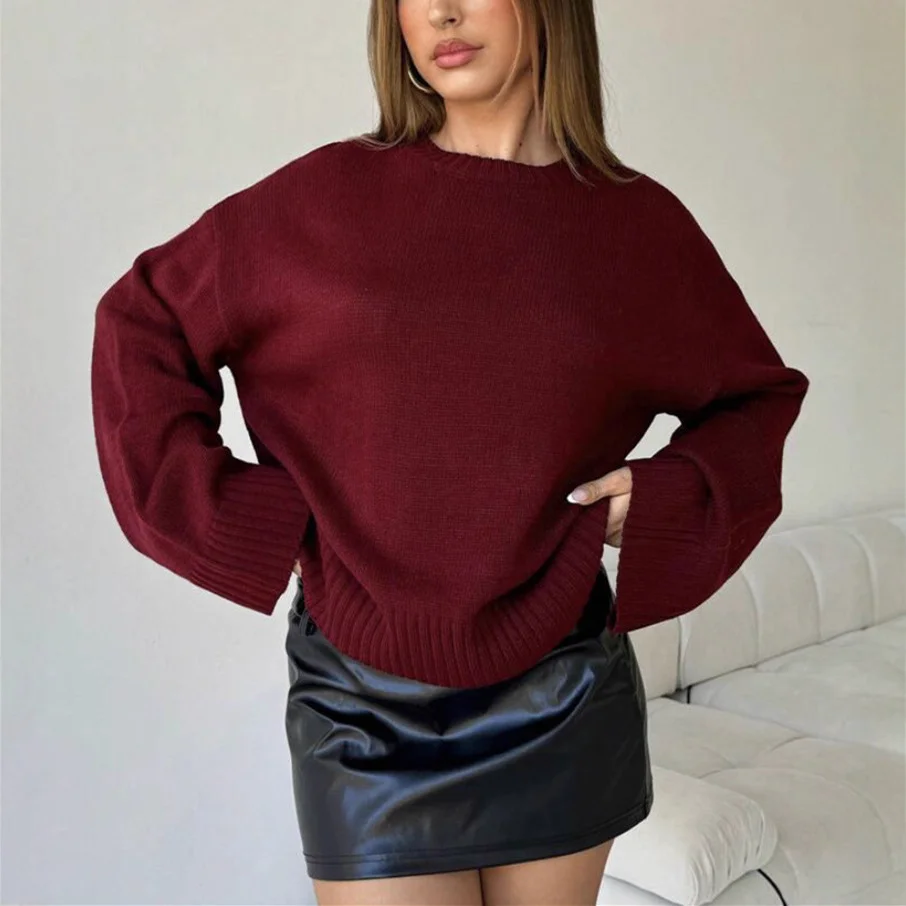
| Winter Womens Loose Knitted Sweater | $25.80 | Acrylic Knit, Loose Fit | Round neck, wide cuffs, solid color, 16 options | Warmth, oversized layering, casual comfort |
| Dark Gray Golden Bean Cardigan | $41.12 | Knit Cardigan, Medium Thickness | Arabesque pattern, gray, 4 options | Office wear, structured layering, neutral tones |
| Floral Cat Tie Hoodie | $238.16 | Polyester Fleece, Hoodie | Turn-down collar, zipper, floral print, 10 options | Casual statement piece, maximum warmth, unique style |
Product Recommendations
Lamb Fleece Jacket Button Fleece Jacket
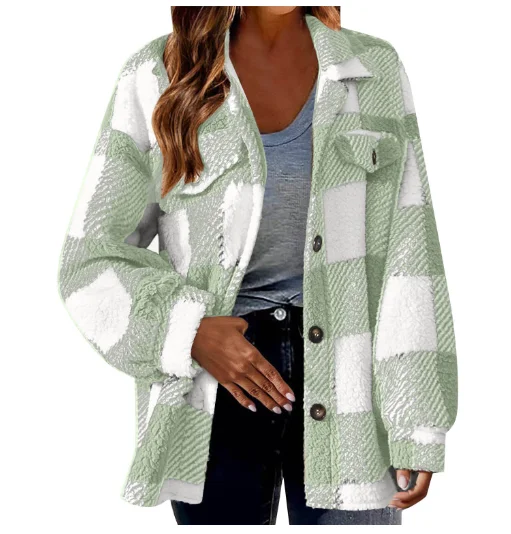
- Pros: Very affordable price point; loose fit allows for easy layering over blouses.
- Pros: Button-front design makes it easy to adjust warmth levels.
- Con: Polyester fleece may not be as breathable as natural fibers, so it could feel warm indoors.
Lantern Sleeve Round Neck Lace Blouse
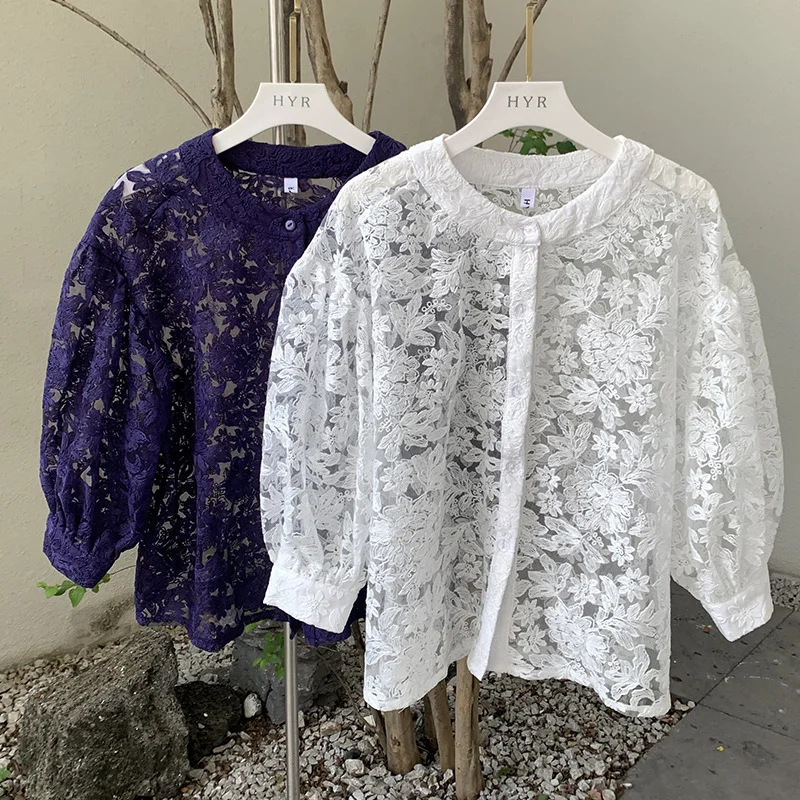
- Pros: Unique lantern sleeve design adds volume without needing a bulky outer layer.
- Pros: Lace texture provides a sophisticated contrast to solid knits.
- Con: Lace fabrics can be delicate and may require gentle care to prevent snagging.
Women's Geometric Knit Button-Up Long Sleeve Top
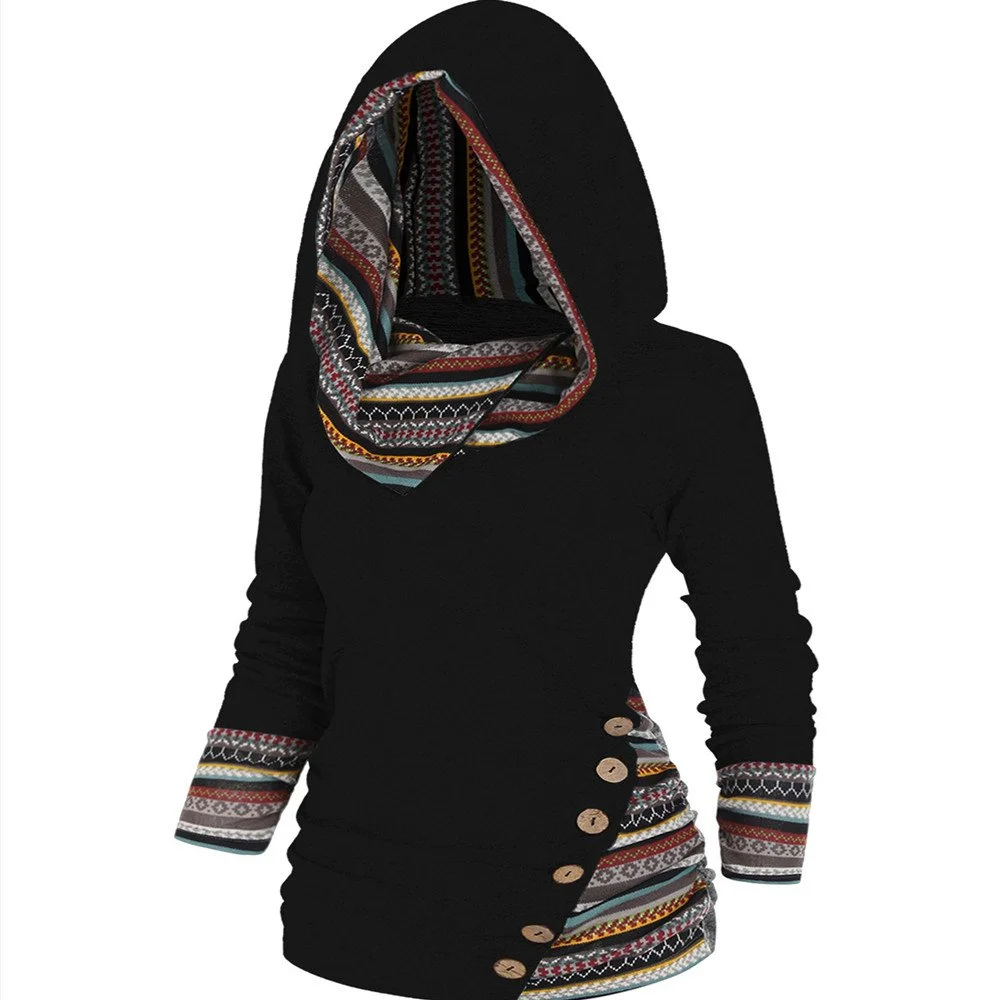
- Pros: Geometric pattern adds style without the need for accessories.
- Pros: Button-up design allows for easy removal if you get warm.
- Con: Patterned knits can be harder to match with other clothing items than solids.
Winter Womens Loose Knitted Sweater with Round Neckline and Wide Cuffs