It is 7:45 AM. You are standing in front of your closet, holding a heavy wool sweater in one hand and a crisp button-down in the other, wondering how to make them work together without looking like you are wearing a sleeping bag. The transition from summer to fall is tricky for office wear. You need warmth for the walk to the train or the car, but you also need to look put-together when you sit at your desk. The problem is not a lack of clothes; it is a lack of strategy for combining them. This guide focuses on the specific mechanics of layering blouses in cooler weather. You will learn which fabrics slide under knits without friction, how fit determines how your outfit looks under a blazer or coat, and which specific styles offer the best balance of comfort and professionalism for the daily commute.
- Understanding the Mechanics of Fall Layering
- Choosing the Right Fabric for Under-Layers
- Fit and Sizing: Avoiding the Bulk Trap
- Top Blouse Picks for Fall Layering
- Styling for the Commute: Outfit Formulas
- Common Mistakes to Avoid
- Care and Maintenance for Layered Tops
- Frequently Asked Questions
- Key Takeaways
Understanding the Mechanics of Fall Layering
Layering is not just about adding clothes; it is about managing volume and temperature regulation. In an office environment, you face a unique thermal challenge. You leave your home in cool air, travel through transit or walkways, enter a heated building, and sit at a desk for hours. If your base layer is too heavy, you will overheat immediately upon entering the office. If it is too thin, you will feel a chill during the commute. The goal is to create a "thermal sandwich" where the innermost layer manages moisture and provides a smooth surface, while the outer layers provide insulation without excessive thickness.
The Role of the Base Layer
The blouse you wear under a sweater or coat serves as the foundation. Its primary job is to provide a smooth silhouette. When you wear a thick cable-knit sweater over a bulky shirt, the result is a rectangular, unflattering shape. When you wear a slim, smooth blouse, the sweater drapes over your body rather than hanging straight off your shoulders. This distinction is crucial for a professional look. A smooth base layer also reduces friction. Rough fabrics against each other can cause static and discomfort, which becomes noticeable when you are working at a computer for eight hours.
Temperature Regulation Strategy
Think of your layers in terms of function. The bottom layer (the blouse) should be light enough to breathe but structured enough to hold its shape. The middle layer (a cardigan, blazer, or light sweater) provides the main insulation. The outer layer (a trench coat, wool coat, or jacket) protects against wind and rain. For the fall commute, you often only need two layers if you are driving, but three if you are walking or using public transit. The blouse must be versatile enough to work as the sole top on milder days or as a hidden base on colder days. This versatility saves money and closet space. It means you are buying one piece that serves two distinct purposes in your rotation.
Understanding this dynamic changes how you shop. You are no longer looking for a "fall shirt." You are looking for a "layering top." This shift in perspective helps you ignore trendy but impractical details, like stiff collars that poke out awkwardly or heavy embellishments that add bulk. Instead, you focus on drape, fabric weight, and silhouette. The best layering blouses are often the simplest ones. They do not need to be the star of the outfit because they will be partially hidden. Their value lies in how they interact with the clothes around them.
Choosing the Right Fabric for Under-Layers
Fabric is the most critical variable in layering success. The wrong material can ruin an otherwise well-planned outfit. For example, a thick, textured cotton flannel shirt under a fine-gauge merino sweater creates a lumpy, uneven surface. The texture of the shirt pushes against the sweater, creating visible ridges through the knit. To achieve a chic, streamlined look, you need fabrics that are smooth, lightweight, and have a slight stretch or drape.
Best Fabrics for Smooth Layering
Polyester blends are often underrated for office wear. Pure polyester can feel cheap or sticky, but modern blends with elastane or viscose offer excellent drape and smoothness. They resist wrinkles, which is a major advantage when you are sitting in traffic or on a train. A smooth polyester-blend blouse slides easily under a blazer or sweater, creating a clean line. It does not cling to the body in a way that reveals every contour, nor does it puff out. It sits flat. This makes it ideal for professional settings where a polished appearance is required.
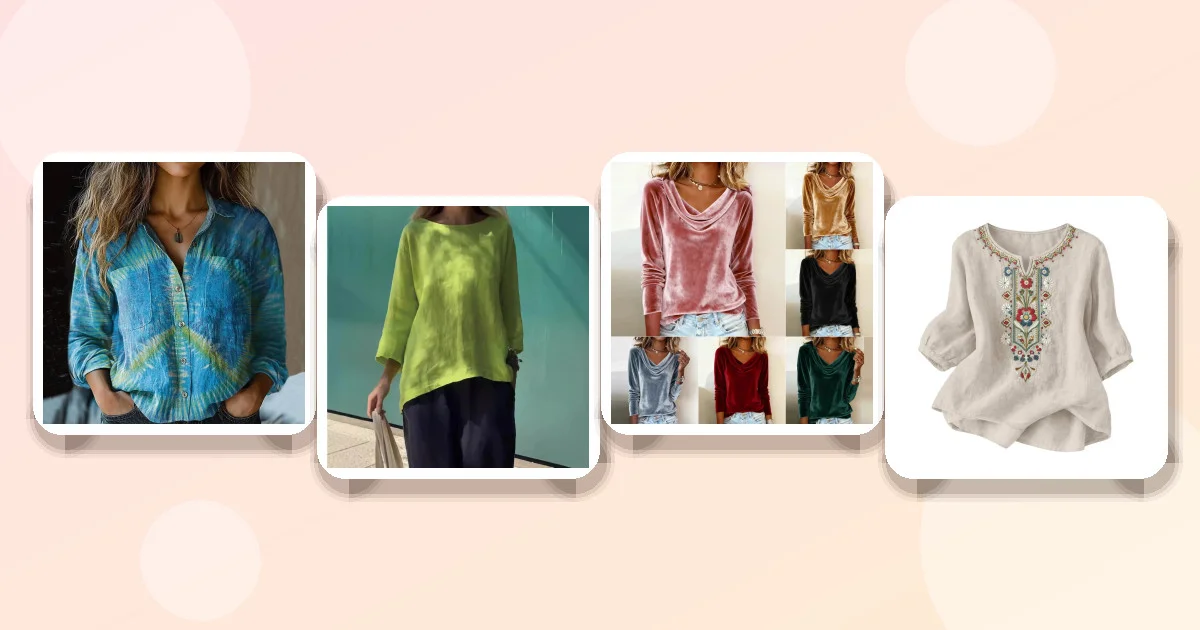
Fine cotton or cotton-linen blends are also excellent choices, provided they are lightweight. Linen has a natural breathability that helps regulate body temperature. However, linen wrinkles easily. If you choose a linen-cotton blend for layering, be prepared to manage wrinkles or choose a looser fit that hides creases. The "Loose Linen Cotton Round Neck Long Sleeve Shirt" is a good example of this category. It offers a relaxed fit that drapes well under outerwear. The natural fibers feel comfortable against the skin, which is important if you are wearing the top for long periods. However, you must be mindful of the fit, as loose linens can add volume if not balanced with a fitted outer layer.
Fabrics to Avoid for Layering
Avoid thick, stiff fabrics like heavy denim or coarse canvas for under-layers. These materials do not drape; they stand up. Wearing a denim shirt under a suit jacket creates a rigid, boxy silhouette that is difficult to manage. It also traps heat, making you uncomfortable in a heated office. Similarly, avoid heavily embroidered or embellished fabrics. Beading, sequins, or thick embroidery adds texture that will show through thin sweaters. If you want to wear a decorative top, save it for days when you are not wearing a heavy outer layer, or choose a heavy enough sweater to obscure the details completely.
Velvet is a tricky fabric for layering. It has a beautiful sheen and is warm, but it is bulky. A velvet blouse under a coat can create a lot of volume around the chest and arms. If you choose a velvet top, such as the "Elegant Velvet Long Sleeve Shirts," it is best worn as the primary visible layer under a structured coat, rather than tucked under a sweater. The loose fit of many velvet blouses helps with movement, but you must be careful not to add too much thickness. Check the fabric weight before buying. If the velvet is thick, it will be difficult to layer without looking puffy.
Moisture and Comfort
Consider how the fabric feels against your skin. If you have sensitive skin, synthetic fabrics like polyester can sometimes cause irritation or feel clammy. In this case, a cotton blend or a soft modal blend is a better choice. The "Half Turtleneck Thermal Base" is designed with comfort in mind, featuring a high-elastic fabric that stretches with your body. This type of fabric is ideal for active commutes where you might be walking or bending. It moves with you, reducing the need to constantly adjust your clothing. However, because it is a thermal base, it is very thin. It is meant to be worn under other layers, not as a standalone office top. It is a utility piece that solves the problem of feeling cold during travel without adding bulk to your office look.
Fit and Sizing: Avoiding the Bulk Trap
Fit is the second most important factor after fabric. A blouse can be made of the perfect lightweight material, but if it is the wrong size, it will fail as a layering piece. The goal is to create a smooth line from your shoulders down to your waist. Any excess fabric creates wrinkles, bunching, and a disheveled appearance.
The Importance of Shoulder Fit
The shoulder seam is the anchor point for your layering. If the shoulder seam of your blouse falls off your shoulder, the entire top will slide down, creating a pool of fabric at the back and sides. This is a common mistake. When buying a blouse for layering, check the shoulder seam. It should sit exactly at the edge of your shoulder bone. If you are buying online, compare the measurements to a blouse you already own that fits well under a sweater. Look for the "Length" and "Chest" measurements. For a layering top, a slightly relaxed fit through the body is acceptable, but the shoulders must be precise. This ensures that when you pull on a sweater, the blouse stays in place.
Waist and Hem Considerations
How the hem of your blouse sits matters significantly. If you plan to tuck your blouse into your trousers or skirt, it must have a hem that is not too long. A blouse that is too long will bunch up at the waist when tucked, creating a bulge under your sweater or blazer. Look for "normal" or "medium" lengths, typically around 50cm to 65cm depending on your height. The "Half Turtleneck Thermal Base" is listed as "normal (50cm)" length, which is ideal for tucking under high-waisted office pants without excess fabric. On the other hand, the "Women's Long-sleeved Printed Shirt" has a "medium length (65cm)" which is better for untucked styling. If you prefer to wear your blouse untucked under a cardigan, a longer hem can look chic, provided it is straight and not flared. A flared hem adds volume that is hard to control under structured outerwear.
Sizing for Layering: When to Size Down
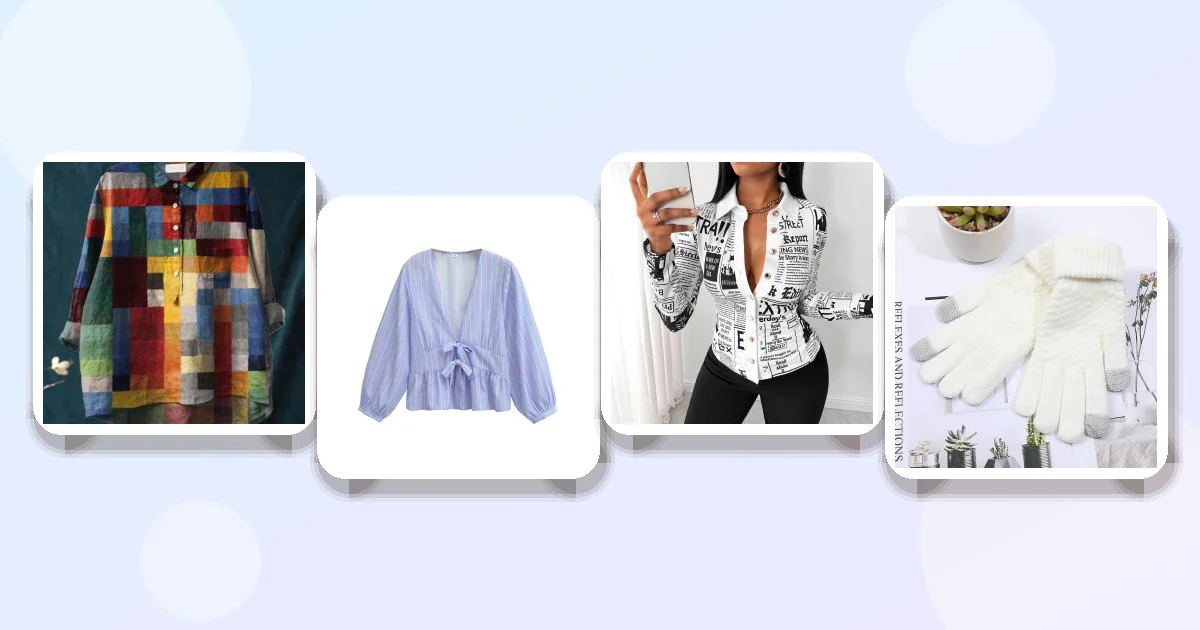
Generally, you should size down for layering tops. If you typically wear a Medium in regular tops, try a Small in a layering blouse. This tighter fit ensures that the fabric lies flat against your body. However, do not go so small that the blouse is tight. It needs to allow for movement, especially if you are wearing a fitted sweater over it. A blouse that is too tight will stretch and deform when you sit down. It will also feel constricting. The sweet spot is a "slim" or "regular" fit that is not boxy. For plus-size wearers, this principle still applies. Look for "slim" or "straight" cuts rather than "loose" or "oversized" cuts for the base layer. The "Vintage Graphic Long Sleeve T-Shirt" offers sizes up to 3XL, providing options for a wider range of body types. When selecting a size, focus on the chest measurement. A slightly snug chest fit will prevent the top from riding up or billowing out under a jacket.
Neckline and Collar Height
The neckline of your blouse affects how it looks under other layers. A high turtleneck can be difficult to layer under a collared shirt or a structured blazer because it adds bulk around the neck. A lower crew neck or V-neck is more versatile. It disappears easily under a cardigan or sweater. The "Half Turtleneck" is a compromise; it is not as high as a full turtleneck, making it easier to layer under a scarf or coat collar. If you have a sensitive neck, a half turtleneck provides warmth without the scratchiness of a high collar. For those who prefer a classic look, a simple round neck is the safest bet. It works with any outer layer, from a loose cardigan to a fitted blazer. Avoid stiff, high collars if you plan to wear a scarf, as the combination can feel restrictive.
Top Blouse Picks for Fall Layering
Based on the principles of fabric, fit, and versatility, here are specific products that fit different layering needs. These selections cover a range of styles, from practical thermal bases to stylish printed tops, all within a budget-friendly price range.
1. Vintage Graphic Long Sleeve T-Shirt Casual Style Top
This long-sleeve top features a unique 3D effect digital print, offering a modern, graphic look that can add visual interest to a neutral outfit. It is available in a wide range of sizes, including plus sizes, ensuring that a variety of body types can find a comfortable fit. The casual style makes it a versatile piece that can transition from a base layer under a blazer to a standalone top on milder days.
Vintage Graphic Long Sleeve T-Shirt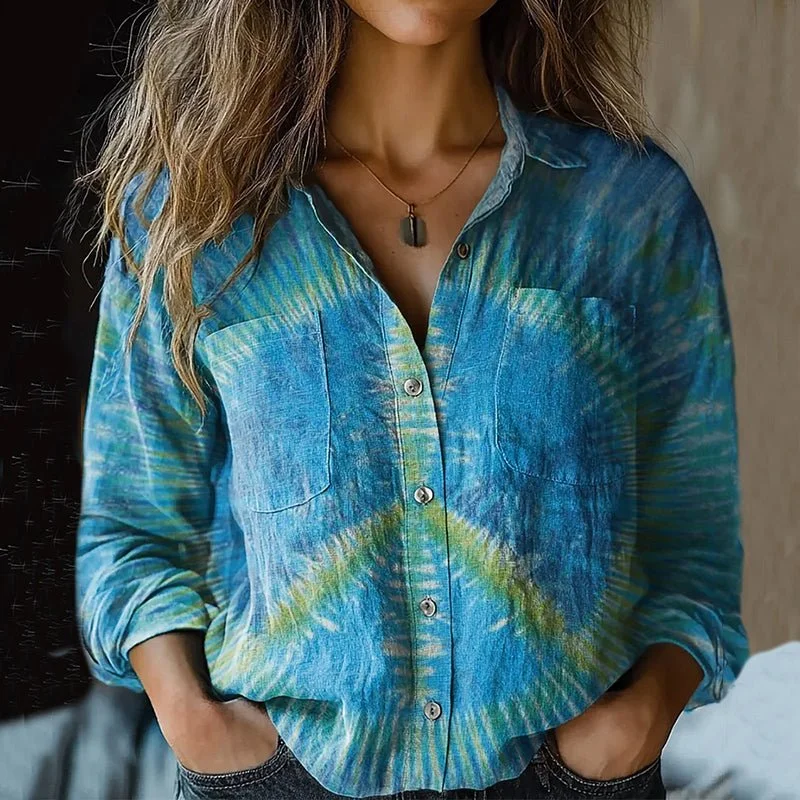
- Pro: Offers a wide size range (S-3XL), making it accessible for many body types.
- Pro: The 3D digital print adds a modern, trendy element without adding physical bulk.
- Con: The graphic design may not suit very formal office environments; check your dress code.
2. Women's Loose Linen Cotton Round Neck Long Sleeve Shirt
This blouse is made from a linen-cotton blend, offering natural breathability and a relaxed drape. The round neck and loose fit make it a comfortable choice for layering, as it will not feel restrictive under a sweater. The natural fibers are soft against the skin, which is beneficial for long workdays. The loose cut allows for easy movement and can help hide minor wrinkles that occur during a commute.
Loose Linen Cotton Round Neck Shirt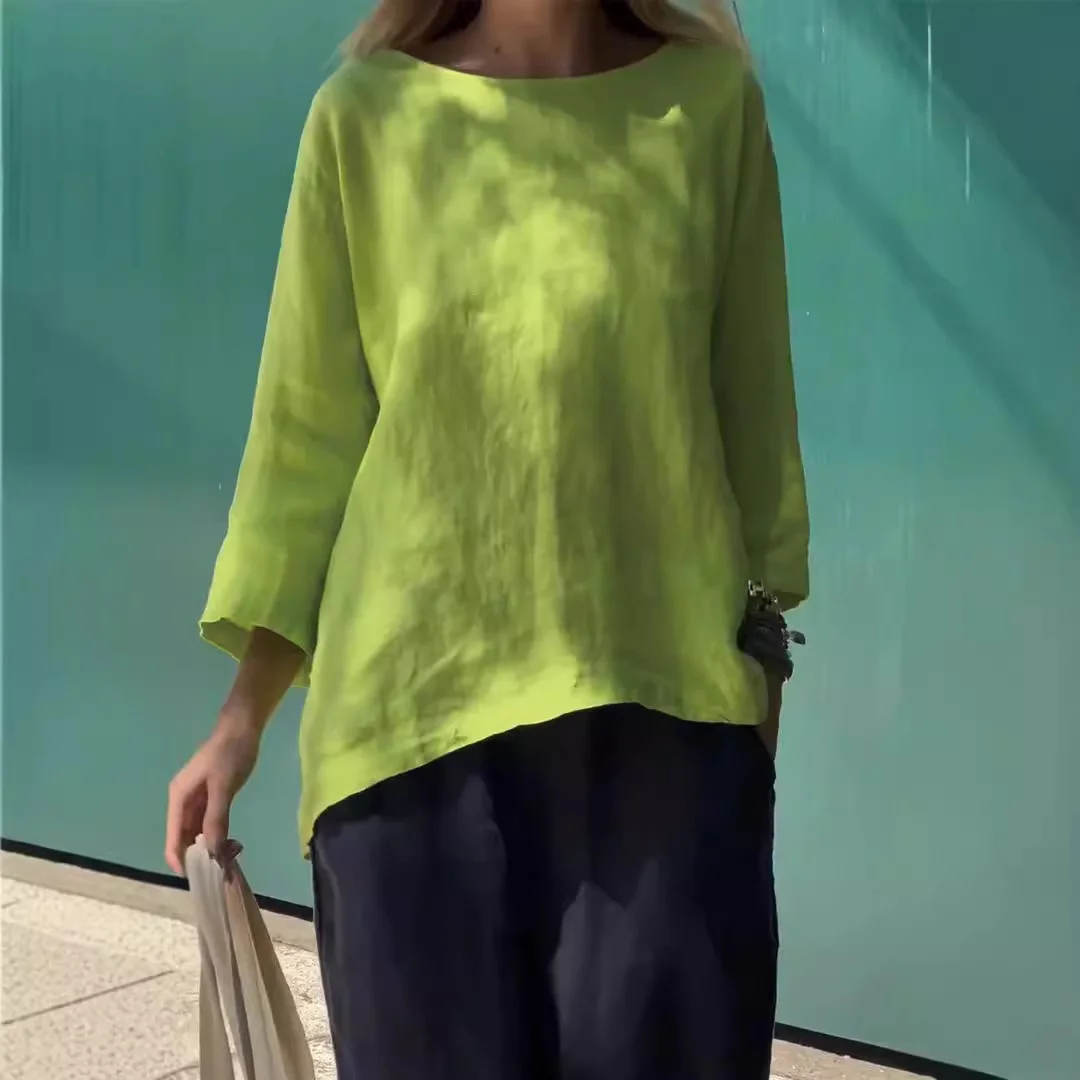
- Pro: Linen-cotton blend provides breathability and comfort against the skin.
- Pro: Loose fit allows for easy layering without feeling tight or constricting.
- Con: Linen wrinkles easily; may require ironing or a very loose outer layer to hide creases.
3. Elegant Velvet Long Sleeve Shirts For Women Fall Spring Solid Color Loose Women Blouses Fashion Pullover Tops
This velvet blouse offers a luxurious texture and warmth, making it a stylish choice for cooler fall days. The solid color design ensures it pairs easily with various outer layers, from trench coats to wool sweaters. The loose fit provides comfort and a flattering drape, while the solid color keeps the look professional and understated. Velvet adds a touch of elegance that can improve a simple office outfit.
Elegant Velvet Long Sleeve Blouse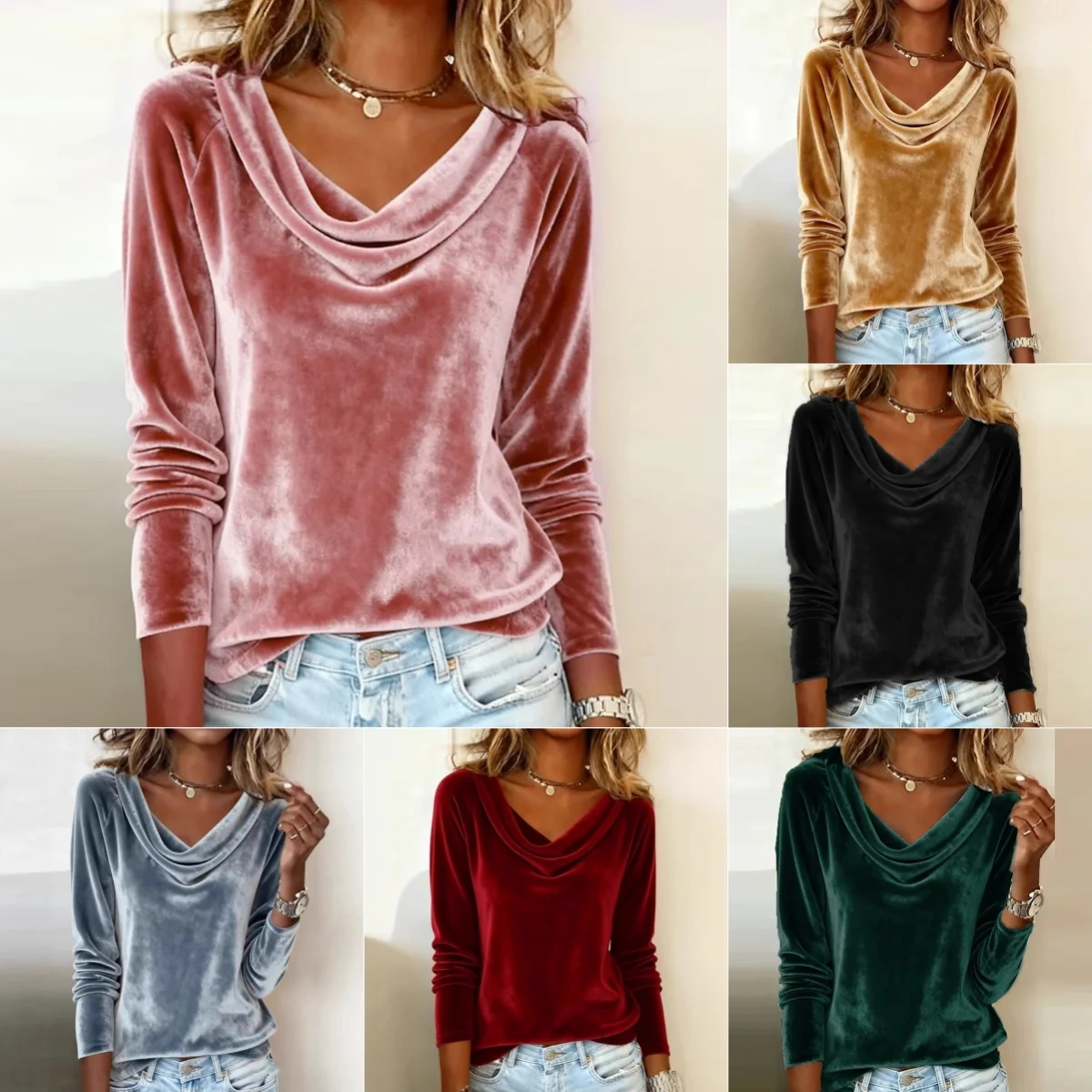
- Pro: Velvet material provides warmth and a high-end aesthetic without needing heavy outer layers.
- Pro: Solid color design makes it versatile for pairing with different coats and accessories.
- Con: Velvet can be bulky; may not be ideal for tight-fitting sweaters or blazers.
4. Women's Bohemian Embroidered Linen Cotton Blouse, V-Neck Sleeve Casual Summer Top
This blouse features bohemian embroidery and a V-neck design, offering a unique, artistic look. The linen-cotton material is lightweight and breathable, making it a good option for early fall or as a base layer under a light cardigan. The V-neck allows for layering with necklaces or under open sweaters, adding a layer of visual interest. The embroidery adds texture and detail, though it is subtle enough to work in a professional setting if balanced with simple outerwear.
Bohemian Embroidered Linen Cotton Blouse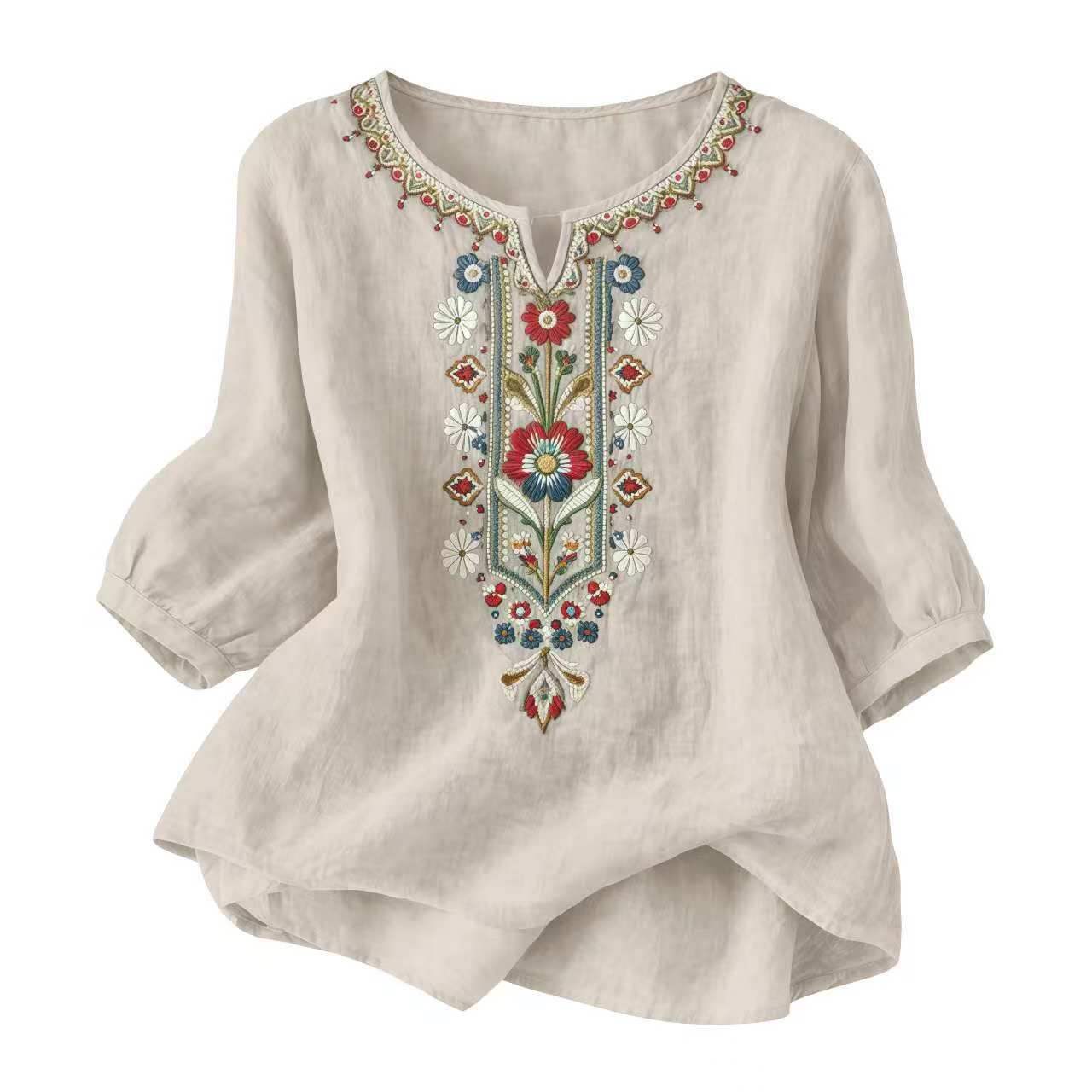
- Pro: Embroidery and V-neck add visual interest and versatility for accessorizing.
- Pro: Lightweight linen-cotton fabric is ideal for transitional weather and easy layering.
- Con: Embellishments may show through thin sweaters; best worn under open cardigans or blazers.
5. Half Turtleneck Thermal Base Fallwinter Slim All-match Long Sleeve T-shirt
This thermal base is designed specifically for layering, featuring a slim fit and high-elastic fabric. The half-turtleneck design provides neck warmth without the bulk of a full turtleneck, making it easy to layer under collared shirts or coats. The polyester composition and "high elastic double-sided" fabric ensure it stretches with your body and resists wrinkles. It is available in multiple colors and sizes, making it a practical, invisible layer for the coldest days of the commute.
Half Turtleneck Thermal Base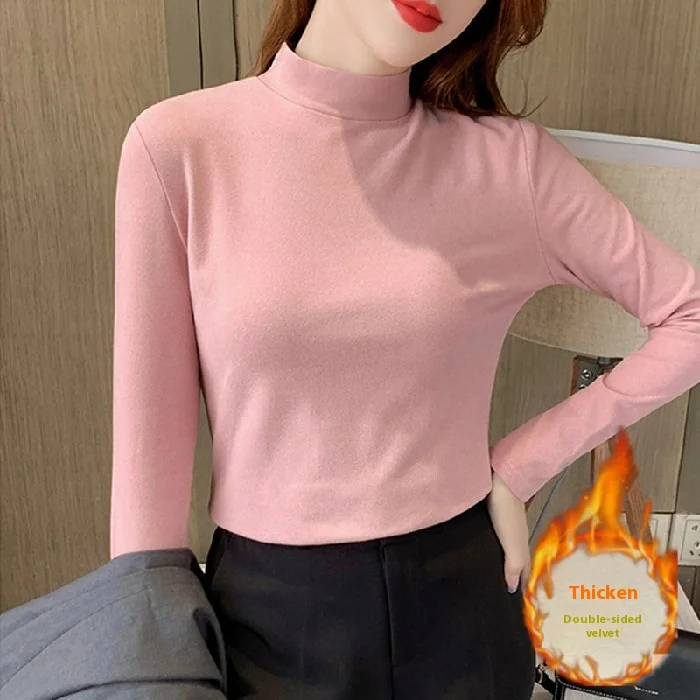
- Pro: Slim fit and high-elastic fabric ensure it stays hidden and comfortable under tight outer layers.
- Pro: Half-turtleneck design offers warmth without excessive bulk around the neck.
- Con: Polyester fabric may not suit those with sensitive skin; best as a base layer, not a standalone top.
6. Women's Long-sleeved Printed Shirt
This printed shirt features a 3D effect design and a medium length, offering a fresh and sweet style. The polyester material is durable and easy to care for, making it a practical choice for daily wear. The long-sleeve design provides coverage, while the print adds a modern touch. The medium length (65cm) makes it suitable for untucked styling under loose cardigans or blazers, creating a relaxed but put