Layering is often the biggest challenge for plus size shoppers. You want to stay warm, but thick fabrics and tight fits can create uncomfortable pressure points and a boxy silhouette. The goal is not just to stack clothes, but to build a cohesive outfit where each piece serves a specific purpose. This guide breaks down exactly which fabrics, cuts, and sizing adjustments work best for sizes 14 and up. You will learn how to select base layers that disappear under jackets, how to choose sweaters that add warmth without volume, and how to construct a versatile fall capsule that works for both office and weekend settings.
- The Foundations: Choosing the Right Base Layers
- Selecting Sweaters and Cardigans for Warmth Without Bulk
- Sizing Strategies: How to Fit Layers Over Layers
- Product Comparison: Key Layering Pieces
- Building Outfits: Work and Weekend Formulas
- Common Mistakes to Avoid in Plus Size Layering
- Care and Maintenance for Layered Fabrics
The Foundations: Choosing the Right Base Layers
The success of your fall look depends entirely on the first layer. If your base layer is too thick, too tight, or made of a fabric that holds its shape rigidly, every subsequent layer will sit awkwardly. For plus size bodies, the priority is drape. You want fabrics that flow over your curves rather than clinging to them or creating horizontal lines. Cotton and chiffon are your best allies here. They are lightweight, breathable, and generally less prone to pilling than synthetic blends. When shopping for base layers, look for mid-length hems that end at the hip or just below. This length is crucial because it stays tucked in under a jacket without pulling up when you move. A shirt that is too short will ride up, exposing your midsection and making you adjust your clothes constantly. A shirt that is too long will bunch up at the waist, adding visual bulk. The sweet spot is a hem that hits right at the widest part of your hips or just below.
Why Drape Matters More Than Fit
In plus size layering, "fit" is often misunderstood. A shirt that fits your shoulders perfectly but is tight across the bust will create a tent effect when you add a sweater on top. The fabric will pull at the seams, creating visible lines. Instead, look for a "relaxed" or "loose" fit in the body while keeping the shoulders structured. This allows the fabric to hang straight down, creating a vertical line that is visually elongating. Check the fabric composition label. Pure cotton is excellent for structure and breathability, but if you are in a very cold climate, look for cotton blends with a small percentage of elastane (1-5%) to allow for stretch. Avoid 100% synthetic base layers like polyester or nylon for everyday wear, as they trap heat and can become uncomfortable when layered under knits.
Consider the neckline as a functional tool. A V-neck or square neck creates a vertical line that draws the eye down, which is flattering for many body types. It also allows you to show a delicate necklace or a hint of a second layer without it getting caught in a collar. A crew neck is safe and classic, but it can sometimes feel boxy if the fabric is stiff. If you choose a crew neck, ensure the fabric is soft and has some give. Avoid high necklines like mock necks for base layers unless you plan to wear the shirt alone. When layered under a cardigan or jacket, high necklines can create a "lumpy" effect at the neck area, making it difficult to close the outer layer comfortably.
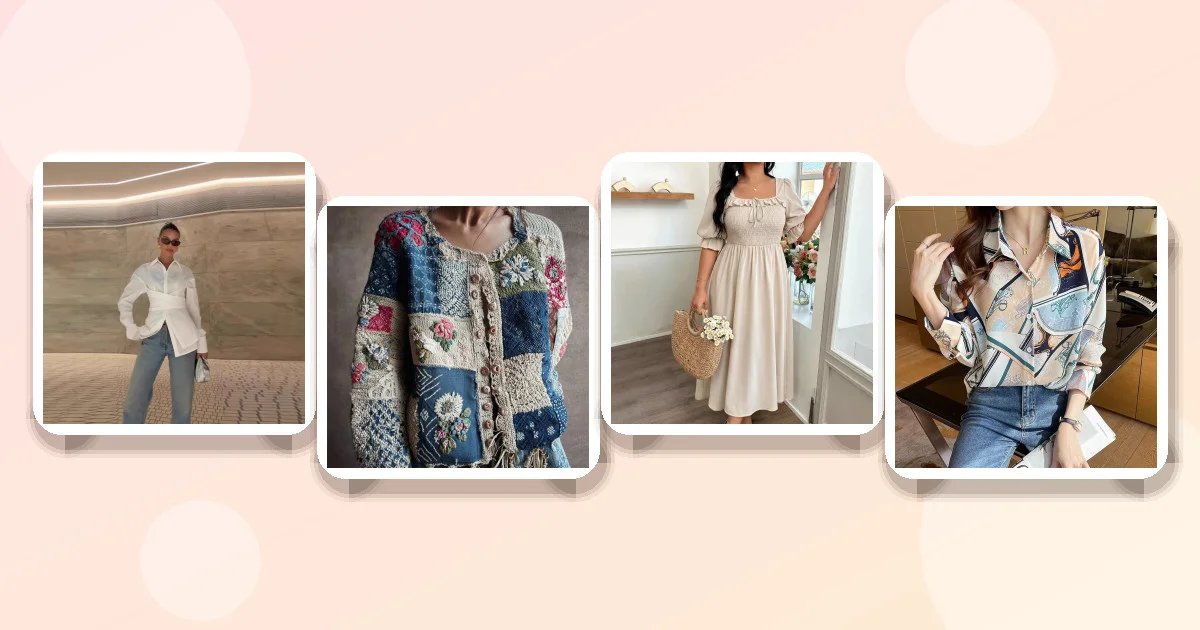
Women's Loose Irregular Cotton Long-Sleeve Shirt

- Irregular cut helps create a streamlined silhouette that does not box out the body.
- Mid-length hem is ideal for layering under cardigans and coats without riding up.
- Check the specific size chart for this item, as irregular cuts can vary in length across sizes.
Fashionable Printed Long-sleeved Chiffon Shirt For Women

- Extremely lightweight, adding zero bulk to the overall outfit.
- Printed design allows for subtle style additions when the collar or hem is visible.
- Chiffon can be delicate; check for reinforcement at the seams to ensure durability with daily wear.
Selecting Sweaters and Cardigans for Warmth Without Bulk
Once your base layer is sorted, the middle layer is where most people go wrong. They reach for the thickest, coziest sweater they can find, only to realize they cannot button their jacket or move their arms comfortably. The key to selecting the right knit is understanding the difference between weight and warmth. You do not need a heavy, cable-knit sweater to stay warm. You need a knit with good insulation properties, such as merino wool, cashmere blends, or high-quality acrylics. These materials trap heat efficiently without requiring a thick gauge. Look for a "loose" or "oversized" fit in the knit, but pay close attention to the shoulder seam. If the shoulder seam drops below your natural shoulder point, the sweater will look sloppy and add volume to your upper body. The ideal fit is one where the shoulder seam sits exactly on your shoulder, but the body of the sweater has enough room to accommodate a base layer underneath.
The Cardigan Advantage
Cardigans are often more functional than pullovers for plus size layering. Why? Because they open up. A pullover sweater can feel like a second skin if it is slightly too tight. If the weather changes, or if you need to adjust the fit, you are stuck. A cardigan allows you to control the amount of layering. You can wear it open to reveal the vertical line of your base layer, or buttoned to create a structured, column-like shape. When choosing a cardigan, look for a button closure that is sturdy. Cheap plastic buttons can crack under the tension of a thick base layer. Metal or wood buttons are more durable. Also, check the length. A cardigan that hits mid-thigh is generally more flattering than one that hits the hip, as it creates a longer line and covers the hips and thighs, which are common areas of concern for many plus size shoppers. Avoid cardigans with large, bulky pockets, as these can add unwanted volume to the hip area.
Womens Knitted Cardigan With Digital Print Pattern
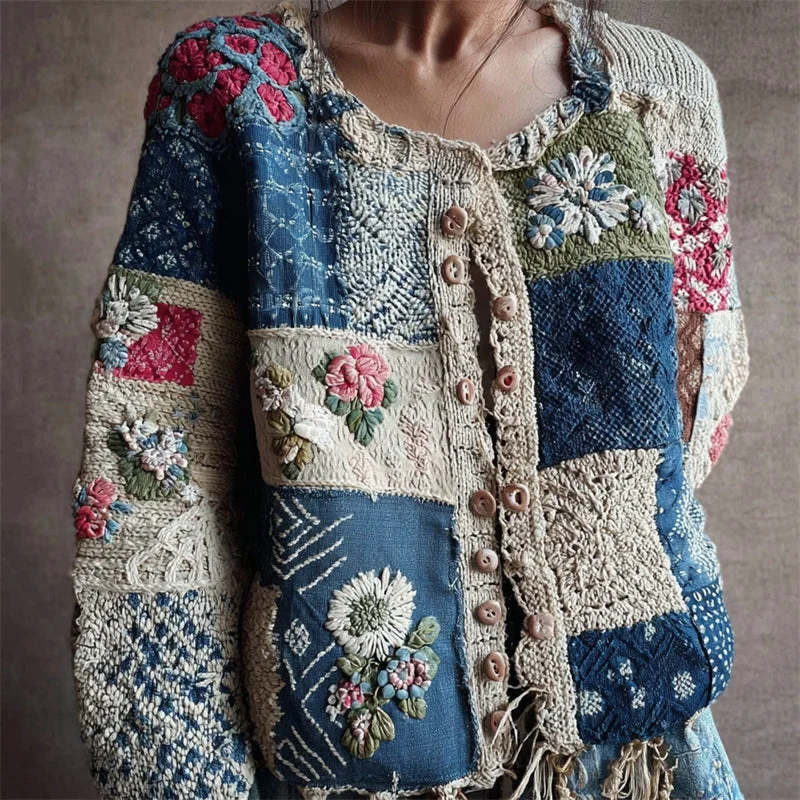
- Digital print pattern adds visual interest and can disguise the shape of the garment.
- Knit fabric offers stretch and comfort, allowing for ease of movement over base layers.
- Verify the fit of the neckline and button placket to ensure it does not gap or pull when worn over thicker base layers.
Women's V-neck Pile Collar Solid Color Knitted Long Sleeve Loose T-shirt
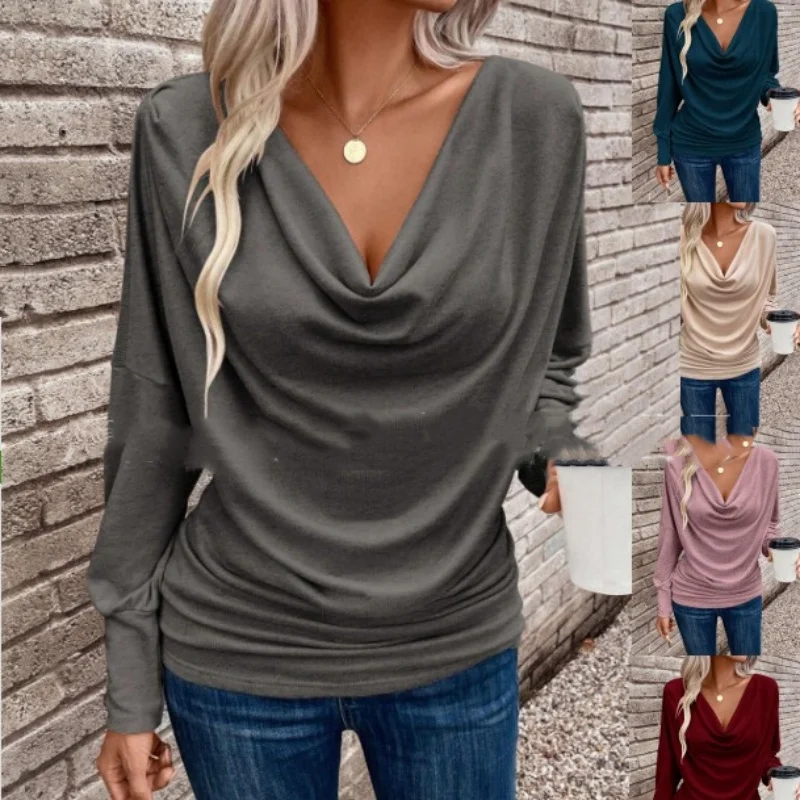
- V-neckline creates a vertical line that is visually slimming.
- Loose fit provides ample room for base layers without feeling constricted.
- Check the fabric weight; "loose" fits can sometimes be very thin, so ensure it provides adequate warmth for your climate.
Sizing Strategies: How to Fit Layers Over Layers
Sizing is the most critical technical aspect of plus size layering. The standard advice of "size up" is not enough; you need a specific strategy. The rule of thumb is that each layer should be approximately one size larger than the layer beneath it. If you wear a size 14 in your base shirt, aim for a size 16 or 18 in your sweater or cardigan. This is not about making the sweater look huge; it is about creating a "gap" in the fabric. When you move, your base layer will shift. If the layers are the same size, the top layer will catch on the bottom layer, causing it to pull up or bunch. A slight excess of fabric in the outer layer allows the inner layer to move freely. This also prevents the outer layer from stretching out of shape over time, which can happen if the fabric is constantly under tension from a tight underlying layer.
Checking the Chest and Bust Measurements
Do not rely on the size label alone. Always check the specific garment's chest or bust measurement. Take your tape measure around the fullest part of your bust. Add 2 to 4 inches to this number. That is the minimum chest measurement you should look for in a layering piece. For example, if your bust is 40 inches, look for a sweater with a chest measurement of at least 42 to 44 inches. This extra 2-4 inches is the "layering allowance." It ensures that when you put on a base shirt, the sweater still fits comfortably without squeezing. If you are buying online, pay attention to whether the measurements are "flat" or "stretched." Flat measurements are usually more reliable for assessing fit. If a website only provides "stretched" measurements, the garment may be very stretchy and clingy, which is not ideal for layering. You want drape, not cling.
Shoulder width is another measurement that is often overlooked. Measure from the tip of one shoulder to the tip of the other. When looking at a sweater or cardigan, the shoulder seam should align with this measurement or be slightly wider. If the shoulder seam is significantly wider than your natural shoulder, the garment will look oversized and unflattering. If it is narrower, it will pull across the back and restrict movement. For plus size bodies, a slightly wider shoulder seam can be beneficial as it allows the fabric to fall away from the body, but it should not extend far beyond the armhole. A good test is to raise your arms. If the hem of the sweater rides up more than 2 inches when you raise your arms, the body of the garment is too short for your arm length. This is a common issue with shorter arm lengths in plus size sizing. Look for garments with longer bodies or consider altering the hem if necessary.
Product Comparison: Key Layering Pieces
Choosing between different types of layering pieces can be confusing. The table below compares the specific products mentioned in this guide based on their price, type, available options, and best use case. This will help you decide which pieces to prioritize for your fall capsule wardrobe. Note that prices and availability may change, and you should always check the current listing for the most up-to-date information.
| Product | Price | Type/Material | Options Available | Best For |
|---|---|---|---|---|
| Women's Loose Irregular Cotton Long-Sleeve Shirt | $28.52 | Cotton, Irregular Cut | 8 Color-Size Options | Base layer that stays tucked in |
| Womens Knitted Cardigan With Digital Print Pattern | $22.56 | Knit, Patterned | Not specified | Statement middle layer |
| Plus-size Apricot-colored Square-neck Dress | $42.40 | Dress, Solid Color | 4 Size Options (XL-4XL) | One-piece layered look |
| Fashionable Printed Long-sleeved Chiffon Shirt | $21.24 | Chiffon, Printed | Not specified | Lightweight base for heavy coats |
| Women's Solid Color Contrast Lace Short Sleeve Casual Shirt | $14.40 | Lace/Contrast, Bishop Sleeve | 48 Color-Size Options | Warm weather layering or sleeveless under sweaters |
| Women's V-neck Pile Collar Solid Color Knitted Long Sleeve Loose T-shirt | $19.44 | Knit, V-Neck, Loose | Not specified | Casual middle layer with vertical line |
When reviewing this table, notice the variety in price points and styles. The chiffon shirt and the knit t-shirt are the most affordable options, making them good entry points for building a wardrobe. The cotton shirt and the cardigan are mid-range, offering a balance of cost and versatility. The apricot dress is the most expensive item, but it offers a complete outfit in one piece, which can save time on styling. Consider your budget and your specific needs when selecting which of these to prioritize. If you already have a good base layer, you might focus your budget on the cardigan or the knit t-shirt to add warmth and style. If you are starting from scratch, the cotton shirt and the chiffon shirt are essential foundations that will work with almost any outer layer.
Plus-size Apricot-colored Square-neck Dress Long Style Soft and Feminine Vibe

- Square neck creates a vertical line that is flattering for many body types.
- High-waisted skirt style helps define the waist and elongate the legs.
- Asian sizing runs 1-2 sizes smaller than US/EU; if you are between sizes, choose the larger one to ensure proper fit for layering.
Women's Solid Color Contrast Lace Short Sleeve Casual Shirt
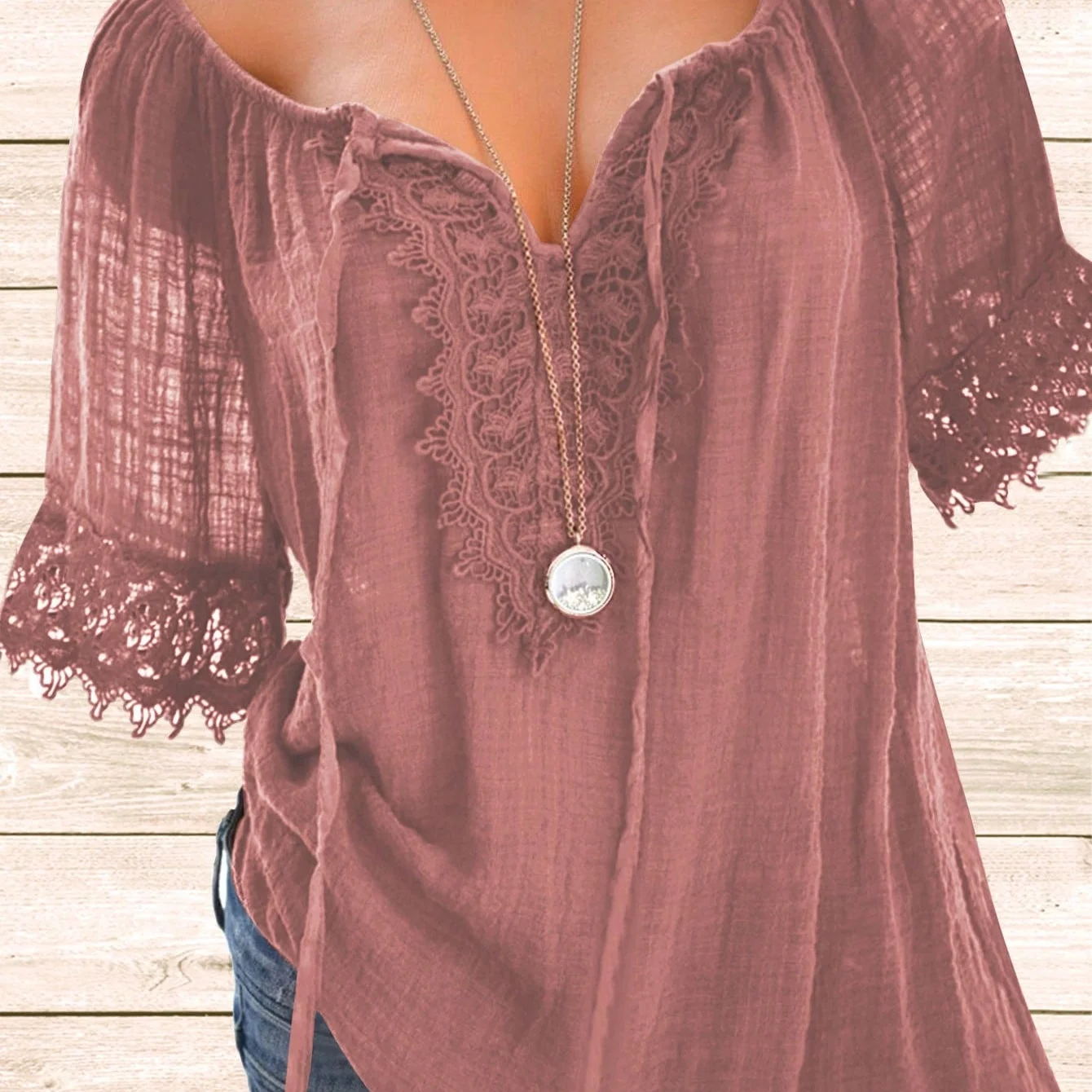
- Bishop sleeves add volume and interest to the arm area, which can be balanced with a fitted or loose top layer.
- Wide size range (S-3XL) ensures better fit accuracy for various body types.
- Short sleeves may not provide enough warmth for colder climates on their own; best used as a layering piece under long-sleeve items.
Building Outfits: Work and Weekend Formulas
Knowing how to combine these pieces is just as important as selecting them. A well-constructed outfit flows from one piece to the next without visual interruption. For a work-appropriate look, start with a solid color base layer. The Women's Loose Irregular Cotton Long-Sleeve Shirt In white or coffee is an excellent choice. Pair this with a structured blazer or a tailored coat. The key is to keep the middle layer minimal or absent if the coat is thick. If you need a middle layer, choose a thin knit or a light cardigan. Avoid bulky sweaters under a blazer, as they will distort the shape of the jacket. Instead, rely on the structure of the blazer to create a clean line. Tuck the base layer into your trousers or skirt to create a defined waist. This is crucial for plus size styling, as it anchors the outfit and prevents it from looking shapeless. Add a belt if your trousers have belt loops, but avoid belts that are too thick, as they can add bulk at the waist.
Weekend Comfort and Style
For weekend wear, you can relax the structure while maintaining the principles of layering. Start with the Fashionable Printed Long-sleeved Chiffon Shirt As your base. The print adds visual interest, so you can keep the rest of the outfit neutral. Layer a loose-fit cardigan over it, wearing it open. This creates a layered look that is comfortable and stylish. Pair this with high-waisted jeans or trousers. The length of the cardigan should hit mid-thigh to balance the proportions. If you are running errands or going for a casual dinner, this outfit is versatile enough to handle both. You can add a scarf for extra warmth and style, but keep it thin to avoid bulk