Fall weather is unpredictable. One day you are wearing a t-shirt, and the next you need a heavy coat. If your sweaters are too thick, you look bulky under your jacket. If they are too thin, you are cold by noon. The goal is to find pieces that bridge that gap: warm enough for the chill, thin enough to layer under a trench coat or blazer, and stylish enough to wear on their own when the sun comes out.
This guide cuts through the noise. We will look at specific fabrics, fit measurements, and styles that work for professional and casual settings. You will learn how to read size charts correctly, how to spot quality in knitwear, and how to care for your investment pieces so they last for years. We will also review specific options available right now, ranging from budget-friendly basics to structured jackets, so you can make a decision that fits your budget and lifestyle.
Understanding fabrics: What actually keeps you warm?
Fabric is the single most important factor in a layering sweater. The material determines how the sweater feels against your skin, how much warmth it traps, and how easily it slides under other garments. Many people default to 100% wool because it is traditional, but it is not always the best choice for layering under a coat. Wool can be itchy, and some wools are too thick for office wear. You need a fabric that balances warmth with breathability and drape.
Natural fibers: Wool, Cashmere, and Cotton
Wool Is the gold standard for warmth. It is naturally insulating, meaning it traps heat even when damp. However, not all wool is created equal. Merino wool is finer and softer than standard wool, making it less itchy. It also resists odor better than synthetic fabrics. For layering, look for "fingering" or "sport" weight wool. These are thinner knits that provide warmth without the bulk of a chunky cable knit. If you are sensitive to wool, check if the item is labeled "superfine" or "extra fine," which indicates a finer micron count and a softer feel.
Cashmere Is the premium option. It is incredibly warm and light. Because it is so fine, a cashmere sweater can be extremely thin yet still warm. This makes it ideal for layering under fitted blazers or coats where space is limited. However, cashmere is delicate. It pills easily and is prone to stretching if not handled with care. It is a higher price point, but if you want a sweater that looks effortless and feels luxurious, cashmere is the top contender. Just be prepared to hand wash it and store it properly.
Cotton Is often overlooked for fall, but it is a fantastic layering base. Cotton is breathable and soft against the skin. A thin cotton sweater or a cotton-blend knit is perfect for early fall when temperatures are mild. It does not trap heat as aggressively as wool, so you will not overheat when moving between air-conditioned offices and outdoor autumn air. Cotton is also easy to care for; you can usually machine wash it without worrying about shrinking or felting. For a work environment where you might be near a heater, a cotton blend is a smart, practical choice.
Synthetic fibers: Polyester, Acrylic, and Blends
Synthetic fibers like polyester And acrylic Are common in budget-friendly sweaters. They are durable, resistant to shrinking, and often less expensive than natural fibers. Polyester is particularly good at wicking moisture, which can be useful if you tend to sweat. However, synthetics do not breathe as well as natural fibers. This can lead to feeling clammy or overheated in a tight fit. For layering, a pure synthetic sweater might not be the best choice if you are wearing it for long periods. Look for blends instead. A blend of 50% wool and 50% acrylic, for example, offers the warmth of wool with the durability and lower cost of acrylic. These blends are often more forgiving in terms of care and price.
When shopping for a women's sweater for fall layering, read the label carefully. A high percentage of a natural fiber usually indicates a better drape and feel. If you see a high percentage of acrylic or polyester, expect a stiffer hand feel and potentially less breathability. This is not necessarily a dealbreaker, but it is important to know what to expect. For example, a "CVC cotton" blend (Chief Value Cotton) is a mix of combed and carded cotton, offering a balance of softness and durability at a lower price point. This is a good middle ground for everyday casual wear.
Fit and sizing: How to avoid the "bulky" look
The biggest mistake people make when buying layering sweaters is choosing a size that is too large. Many shoppers buy a sweater "for comfort" or "to grow into," but for layering, you need a fit that is close to the body without being tight. If the sweater is too loose, it creates air pockets and bulk under your coat, making you look larger than you are. If it is too tight, it will show every line and feel restrictive when you add a coat on top. The sweet spot is a "regular" or "slim" fit that skims the body.
Key measurements to check
Before you buy, measure yourself and compare your numbers to the brand's size chart. Do not rely on your usual size; sizing varies wildly between brands, especially with international retailers. Focus on three key measurements:
- Chest/Bust: Measure around the fullest part of your chest. For a layering sweater, you want the garment's chest measurement to be roughly the same as your body measurement, perhaps with 1-2 inches of ease. This allows the fabric to drape smoothly without pulling.
- Shoulder width: Measure from the tip of one shoulder to the tip of the other. The shoulder seam of the sweater should sit exactly at the end of your shoulder bone. If it falls on your arm, the sweater is too big. If it pulls across your back, it is too small. This is the most critical measurement for a clean look under a coat.
- Sleeve length: Measure from the shoulder seam down to your wrist. For layering, sleeves should end at your wrist bone. If they are too short, they will ride up when you put on a coat. If they are too long, they will bunch up at your wrists, adding visual bulk.
Pay attention to the length as well. A sweater that is too long will swallow your waist and make you look shorter and boxier. A standard length usually hits at the hip bone or just below. If you plan to wear the sweater tucked in, you need a shorter, cropped length. If you are wearing it over high-waisted pants, a longer length is fine. Check the product description for the specific length in inches or centimeters. Many online listings provide this, but it is not always consistent. If the length is not listed, look for photos of the model and estimate where the hem falls relative to the hips.
Asian sizing vs. US/EU sizing
If you are shopping from international retailers, you will often encounter "Asian sizing." This is a common source of frustration for American buyers. Asian sizes generally run 1-2 sizes smaller than US or European sizes. A size "M" in an Asian brand is often equivalent to a US "S" or even "XS." This is particularly true for knitwear, which tends to be cut closer to the body in Asian fashion. If you are between sizes, always choose the larger size. It is easier to let a sweater hang loosely than to struggle with one that is too tight. Check the specific product page for a size chart. Some sellers provide measurements in centimeters for each size. Compare these numbers to your own body measurements, not just the letter size. For example, if a size M has a chest measurement of 90cm (35.4 inches) and your chest is 36 inches, you should size up to L, even if you usually wear an M in other brands.
Keep in mind that knit fabrics have some stretch. However, do not rely on stretch to compensate for a poor fit. A sweater that is stretched out all day will lose its shape over time. You want a fit that feels comfortable when you first put it on, without needing to pull at the fabric to get it on. If you are unsure, measure the garment after it arrives. If it is too small, you might be able to exchange it, but prevention is better than cure. Always check the return policy before ordering, especially with international shipments where returns can be difficult or expensive.
Style guide: Pullovers vs. Cardigans
When choosing a sweater for layering, you have two main structural options: pullovers and cardigans. Each has its own advantages and disadvantages for different outfits and settings. The right choice depends on how you plan to wear the sweater and what other pieces you own.
Pullovers
A pullover is a sweater that you pull over your head. It is the simplest and most versatile option for layering. Because there is no opening in the front, the fabric lies flat against your body, creating a smooth silhouette. This makes pullovers ideal for wearing under blazers, trench coats, and structured jackets. They do not add bulk at the shoulders or chest, which is where coats often fit tightly.
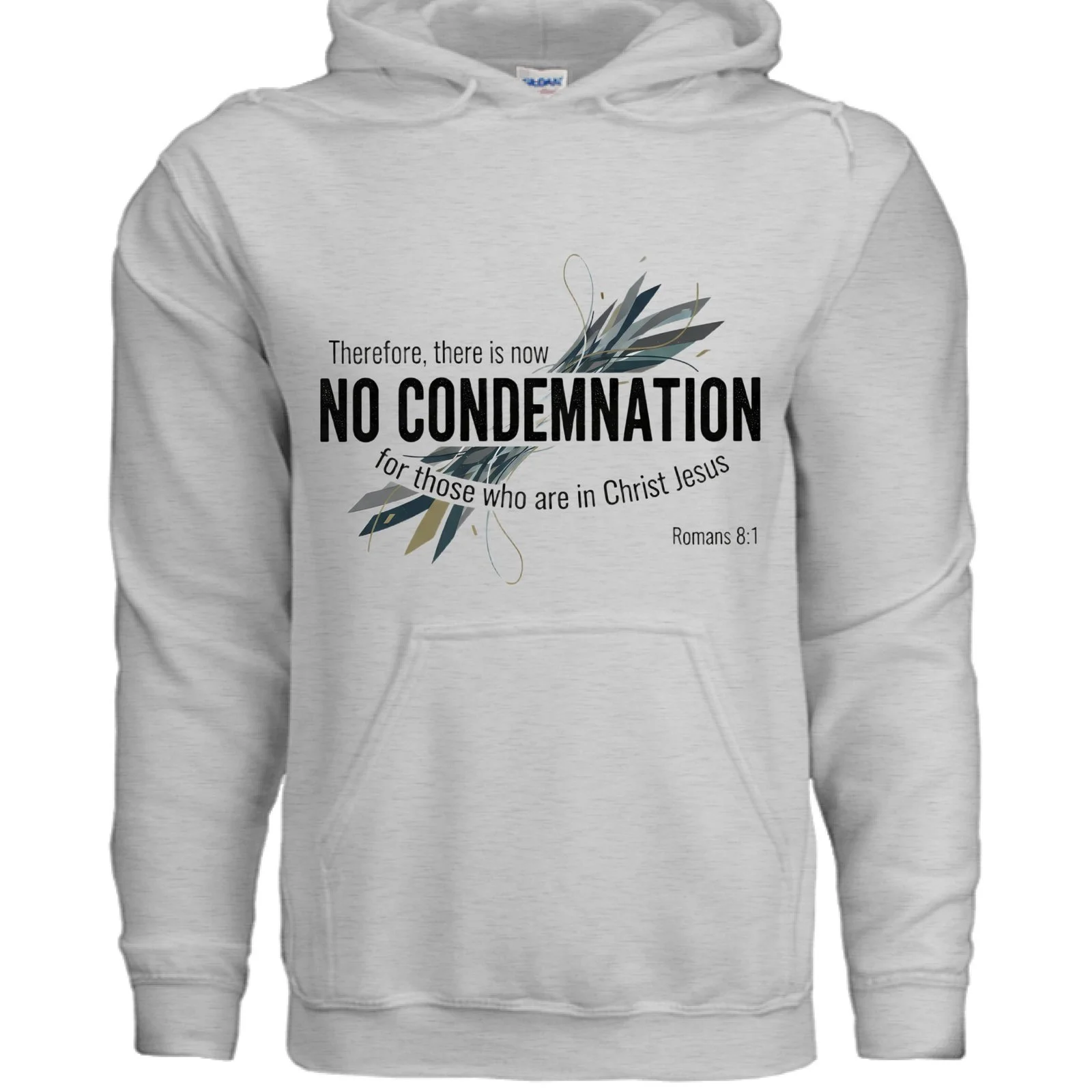
Look for pullovers with a crew neck or V-neck. A crew neck is classic and works well with turtlenecks or high-neck shirts worn underneath. A V-neck is more forgiving if you are wearing a collar under it, as the collar can peek out neatly. Avoid hooded pullovers for formal layering, as the hood adds bulk to the neck and shoulders. However, for casual wear, a hooded pullover can be a great "third layer" under a puffer jacket or parka. The hood adds warmth and a sporty vibe without the need for a separate scarf.
Cardigans
A cardigan is a sweater that opens in the front, usually with buttons, a zipper, or a wrap design. Cardigans are excellent for layering because they are easy to put on and take off. You can wear them over a dress, a blouse, or a t-shirt. They also allow you to adjust your warmth throughout the day. If you get hot in a meeting, you can unbutton the top few buttons. If you get cold on the commute, you can button them all the way up.
For layering under a coat, a slim-fit cardigan is your best friend. It adds a layer of warmth without the bulk of a pullover. Look for cardigans with a lapel or shawl collar. These styles mimic the structure of a blazer, making them appropriate for office wear. A shawl-collar cardigan, in particular, creates a continuous line from the neck to the hem, which is visually slimming. Button-front cardigans are more casual and work well with jeans and chinos. Avoid chunky, oversized cardigans for layering under a coat, as they will add too much volume. Save those for wearing as the outermost layer on mild days.
Which one should you choose?
If you want a piece for the office that goes with tailored pants and a blazer, a slim-fit pullover or a lapel cardigan is the best choice. If you want a casual piece for weekends that works with jeans and sneakers, a hooded pullover or a chunky cardigan is more appropriate. Many women find that they need both. A neutral-colored pullover for work and a more textured or colored cardigan for casual wear. This combination covers most of your fall wardrobe needs without requiring a large number of sweaters.
Product comparison: Our top picks at a glance
We have selected a range of sweaters that fit different needs, budgets, and styles. These products are available now and offer a mix of materials, fits, and price points. Below is a table comparing their key attributes, followed by a detailed look at each option.
| Product | Price | Material | Type/Fit | Key Feature | Best For |
|---|---|---|---|---|---|
|
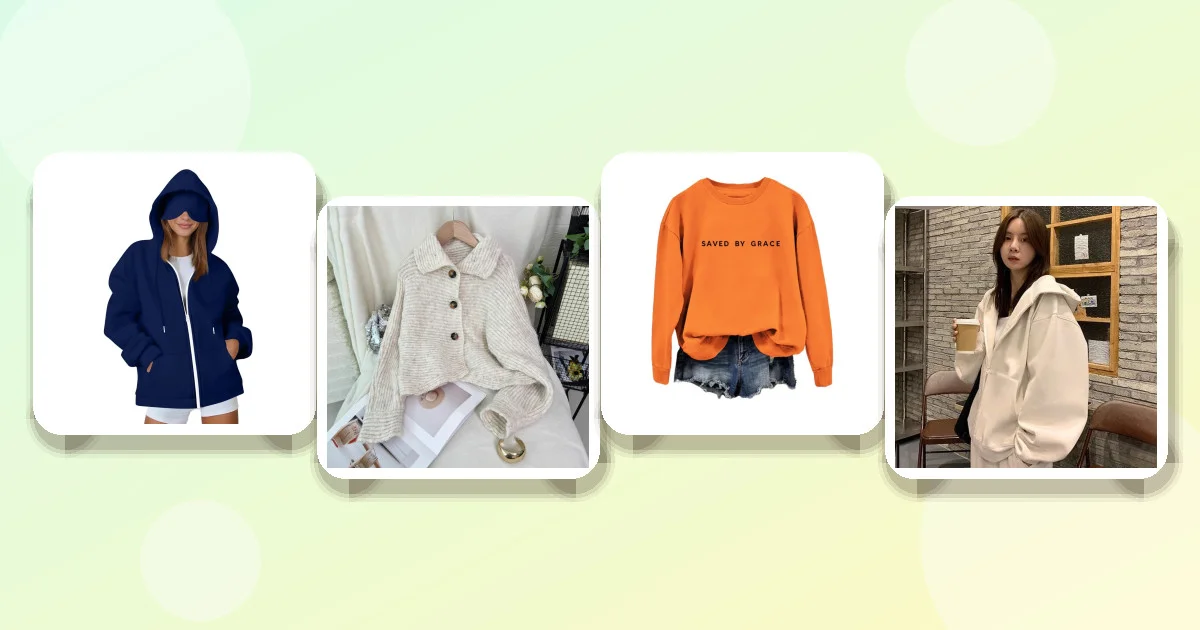
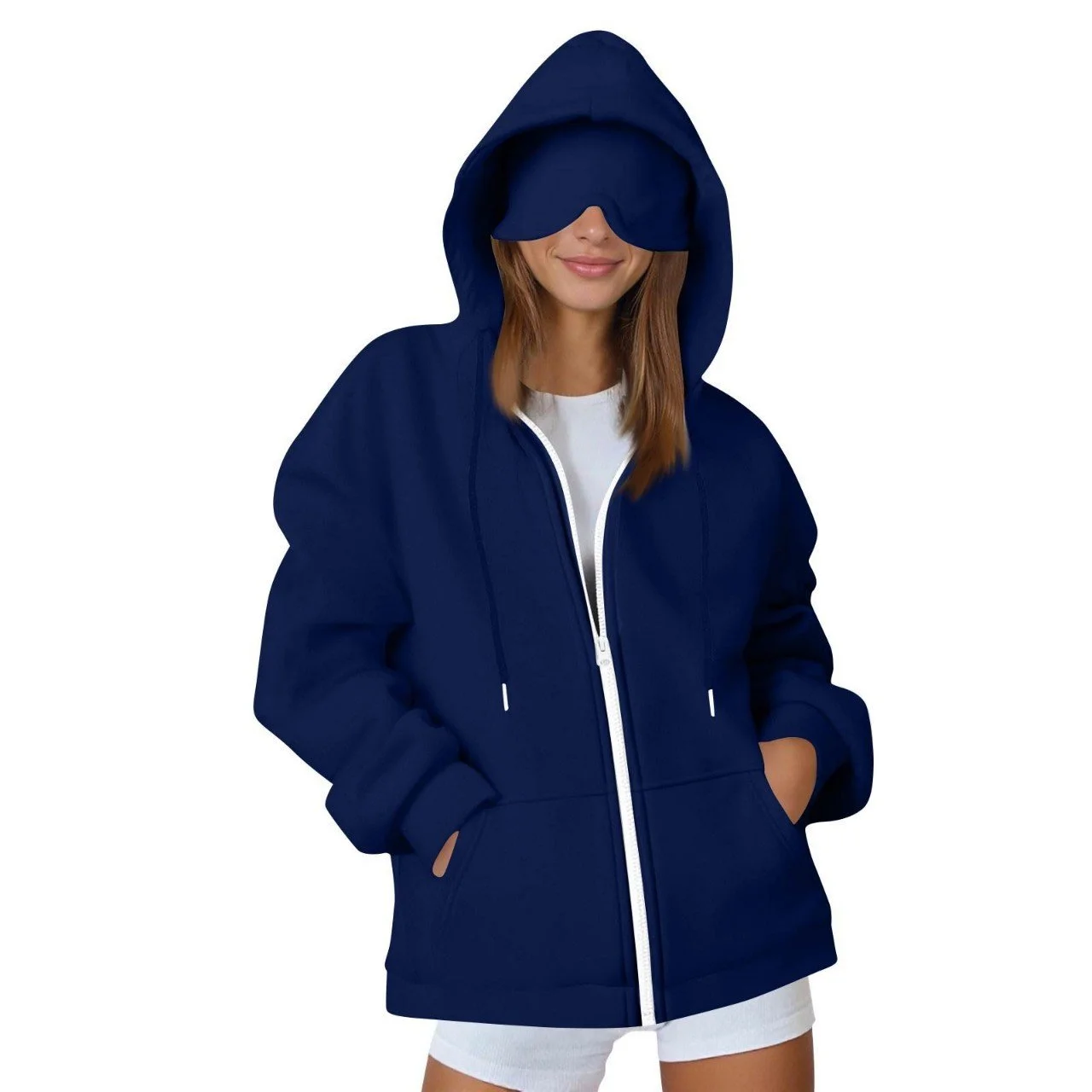
Cozy Solid Color Hooded Cardigan with Eye Mask
🏆 Top pick
|
$19.44 | Polyester | Hooded Cardigan, Loose Fit | Attached eye mask, multiple colors | Casual commute, travel, budget-friendly option |
|
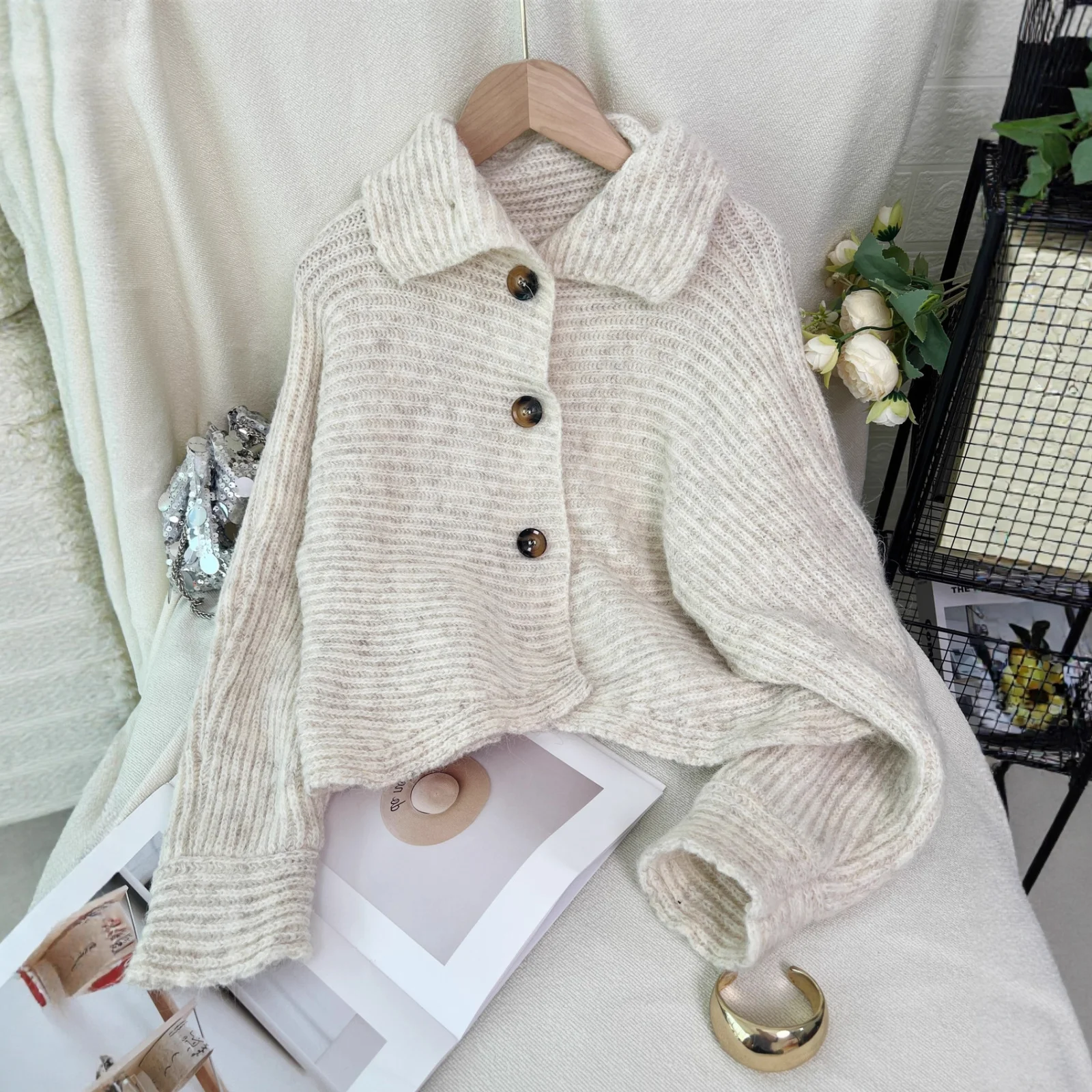
Knitted Cardigan Lapel Single Breasted
⭐ Editor's pick
|
$27.20 | Polyester | Lapel Cardigan, Normal Length | Irregular hem, lapel design | Office wear, structured layering |
|
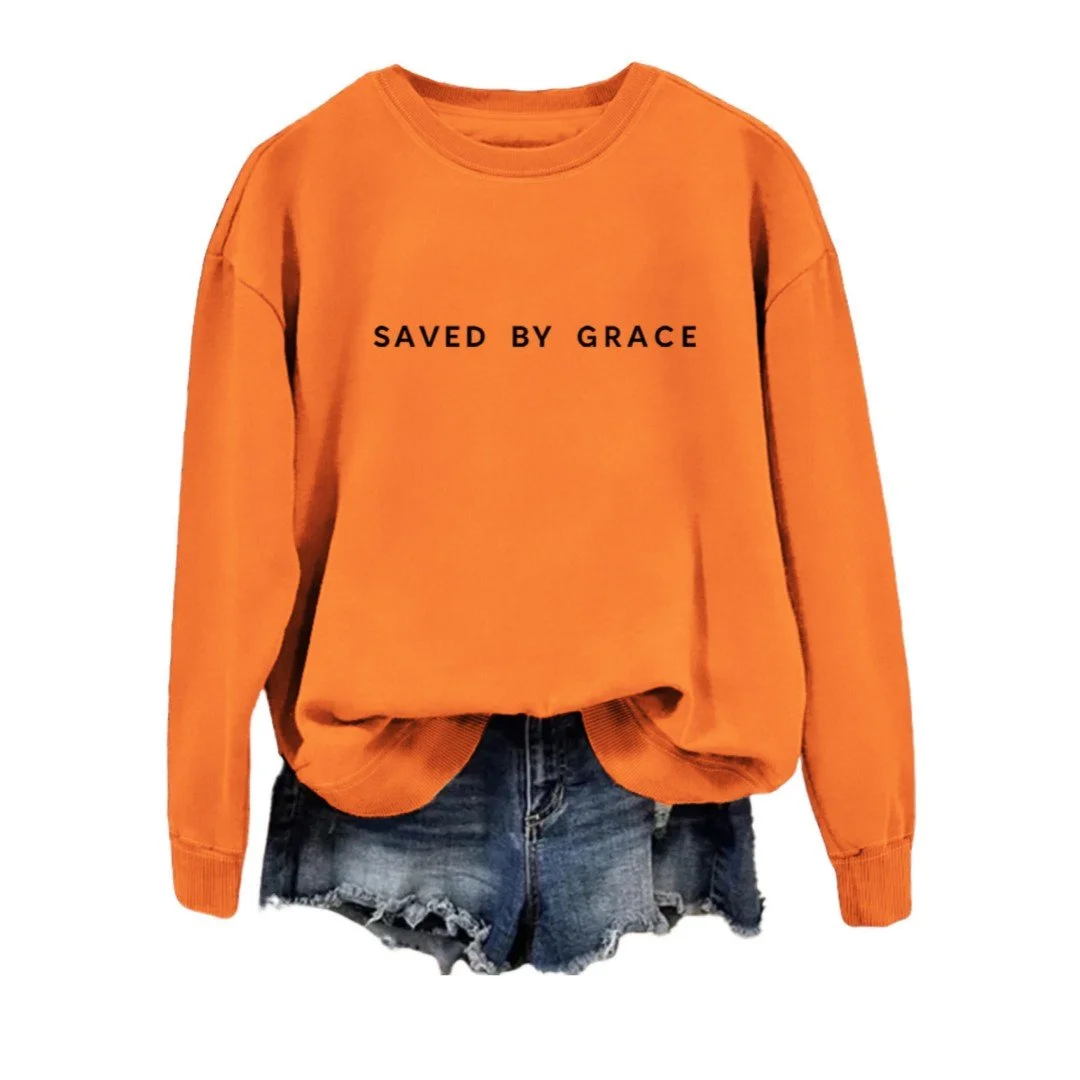
Cozy Loose Fit Women's Pullover
⭐ Editor's pick
|
$19.56 | CVC Cotton | Pullover, Loose Fit | Soft cotton blend, 90 color/size options | Everyday casual, early fall layering |
|
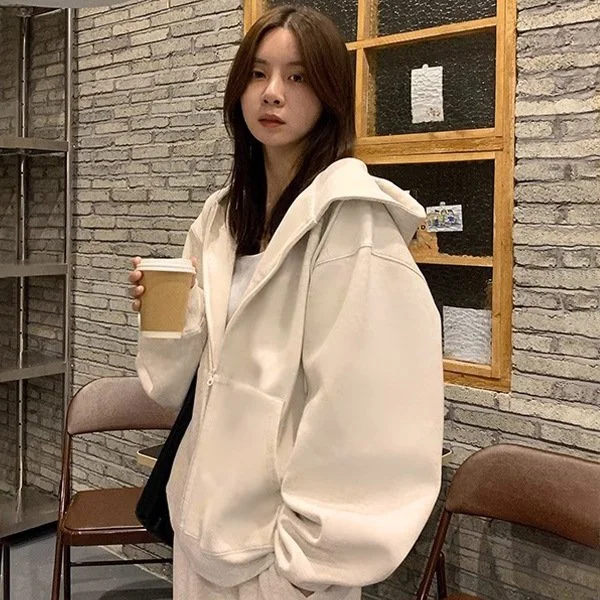
Cozy Hooded Cardigan Sweater Coat
⭐ Editor's pick
|
$39.12 | Not specified (likely blend) | Hooded Cardigan, Thickened Relaxed Fit | Thickened fabric, relaxed fit | Cold days, layering under heavy coats |
|
Cozy European Style Pullover Hoodie
⭐ Editor's pick
|
$14.76 | Polyester | Pullover Hoodie, Drop Shoulder | Drop shoulder, extended sizes (S-5XL) | Sporty casual, larger sizes, budget |
|
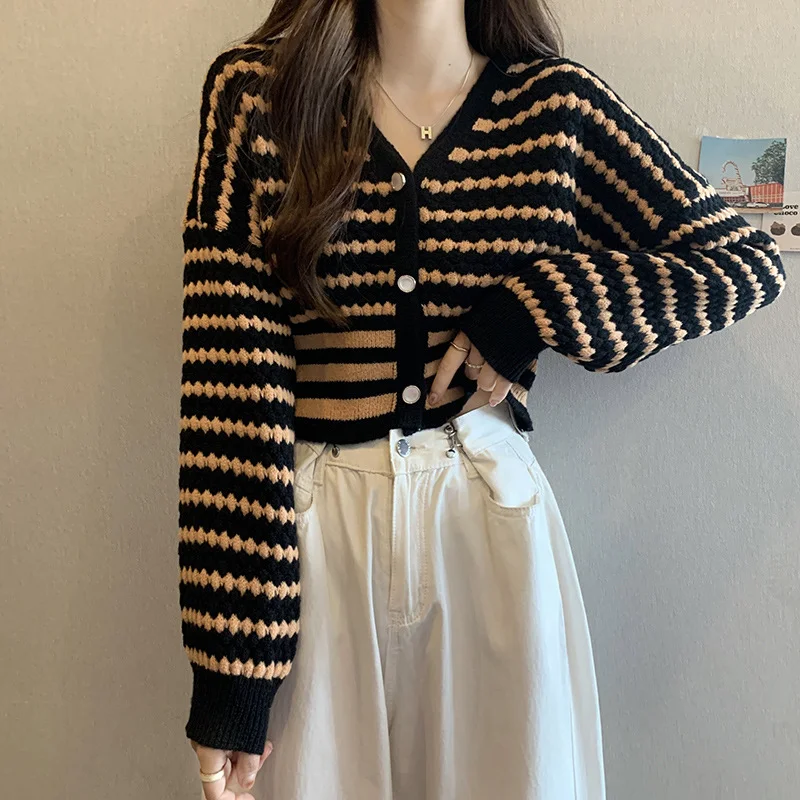
French Style Classic Cardigan Striped
⭐ Editor's pick
|
$27.08 | Not specified (likely knit blend) | Striped Cardigan, Medium Thickness | Plaid/Stripe pattern, classic style | Preppy style, mid-fall temperatures |
Detailed product reviews
Cozy Solid Color Hooded Cardigan Sweater with Eye Mask
This is a practical, budget-friendly option for those who need a warm, casual layer. It is made from high-quality polyester, which makes it durable and easy to care for. The loose fit provides comfort, and the attached eye mask is a unique feature for naps or travel.
Best for Daily commutes, casual outings, and travelers who want a multi-functional piece.- Pro: Affordable price point and unique eye mask feature for comfort.
- Pro: Loose fit allows for easy layering over other clothes.
- Con: Polyester may not breathe as well as natural fibers; Asian sizing runs small, so size up.
Knitted Cardigan Lapel Single Breasted Casual Irregular Women's Sweater Jacket
This cardigan offers a more structured look, making it suitable for office environments. The lapel design mimics a blazer, and the irregular hem adds a modern touch. It is made from polyester and available in several neutral and soft colors.
Best for Office wear, pairing with tailored pants or skirts, and those who want a polished look.- Pro: Lapel design looks professional and stylish.
- Pro: Normal length (50cm) is versatile for tucking or wearing untucked.
- Con: Limited size range (S, M, L) and Asian sizing requires careful measurement.
Cozy Loose Fit Women's Pullover Sweater
This pullover is crafted from soft CVC cotton, making it a great option for those who prefer natural fibers. The loose fit is comfortable for everyday wear, and the wide range of colors and sizes (90 options) makes it easy to find a match for your wardrobe.
Best for Everyday casual wear, early fall layering, and those who want a soft, breathable fabric.- <Shop the storyAll products from this guide