
You're about to face your first snowy commute and need a coat that keeps you dry, warm, and looking put‑together. This guide walks you through the exact features to prioritize, how to size correctly, and which affordable pieces from our list fit each need.
How to choose the right coat
Waterproof vs. Water‑resistant
Look for a fabric with a waterproof rating of at least 5,000 mm. Anything lower will soak through when you sit in a slush‑filled car. A sealed seam construction and a storm flap over the front zipper add extra protection.
Insulation level
For a short drive (5–10 minutes) you don’t need a heavy down parka. A 30‑gram synthetic fill or a fleece lining gives enough warmth without bulk. If you tend to feel cold, choose a coat with a removable liner so you can add it on chilly mornings.
Length matters
Mid‑thigh length keeps most of the snow off your pants while still fitting into a workplace setting. A longer coat can look formal but may interfere with sitting in a car. Measure from the base of your neck to the point where you want the hem; typical mid‑thigh is 30‑34 inches for women of average height.
Fit and mobility
Coats should allow you to layer a thin sweater underneath without feeling tight across the shoulders. Check that the armholes are roomy enough to move your arms freely—essential when you need to open a car door or grab a bag.
Style cues for the office
Neutral colors (navy, charcoal, black) pair well with blazers and dress pants. If you love a pop of color, choose a coat with subtle detailing—like a color‑block panel—that won’t clash with a professional wardrobe.
Product comparison
| Product | Price | Category / Material | Options | Best for |
|---|---|---|---|---|
| Long‑Sleeve Color‑Block Top | $25.2 | Ribbed cotton blend (T‑shirt) | 3 colors, 5 sizes | Layering under a coat for casual work days |
| Red Plaid Shirt Cardigan | $18.12 | Casual shirt‑cardigan | Limited info | Adding warmth without bulk |
| Turtleneck Collar Jacket | $11.96 | Polyester fleece | 2 colors, 7 sizes | Light insulation for short drives |
| Knitted Button Sweater | $14.76 | Knitted cotton blend | 4 colors, 5 sizes | Cozy base layer |
| V‑Neck Striped Slim‑Fit Top | $21.68 | Light knit | 1 color, 4 sizes | Professional look under a coat |
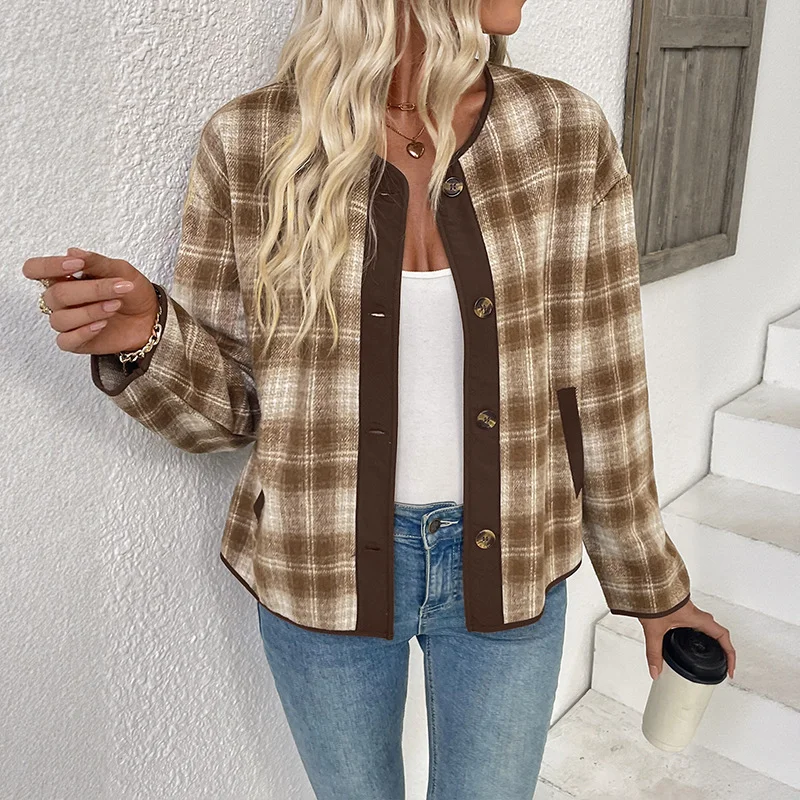
| Plaid Jacket Casual Cardigan | $34.48 | Casual cardigan | Limited info | Stylish outer layer on milder snow days |
Common mistakes to avoid
- Choosing a coat based only on looks and ignoring waterproof ratings. A stylish coat that leaks will ruin both you and your commute.
- Buying the smallest size because it looks sleek. Too tight restricts movement and reduces insulation effectiveness.
- Skipping a removable liner. Without it you either overheat on milder days or stay cold when temperatures dip.
Care and styling tips
Keeping waterproof fabric functional
After a snow day, rinse the coat with cool water to remove salt. Apply a spray‑on DWR (durable water repellent) treatment every few months. Follow the label for machine‑wash settings—usually cold, gentle cycle, no fabric softener.
Layering for a polished look
Start with a fitted base like the V‑Neck Striped Slim‑Fit Top. It adds a hint of pattern without bulk. Over it, wear the Knitted Button Sweater On extra‑cold mornings. Finish with a waterproof coat that reaches mid‑thigh.
Color coordination
Neutral coats (black, navy, gray) work with any office wardrobe. If you prefer a statement piece, a coat with subtle color‑blocking—like the Long‑Sleeve Color‑Block Top—can be paired with a solid blazer for contrast.




Frequently asked questions
❓ What features should I look for in a women's coat for snow commuting?
Prioritize waterproof fabric (≥5,000 mm rating), sealed seams, a mid‑thigh length, and light insulation such as 30‑gram synthetic fill. Also check for a roomy fit that lets you layer a sweater or blazer comfortably.
❓ How warm does a women's winter coat need to be for a short drive in snow?
A coat with a thin fleece lining or 30‑gram synthetic insulation is sufficient for a 5‑10 minute drive. You can add a removable liner if you tend to feel colder.
❓ Can I wear a women's coat with a blazer for a professional look in cold weather?
Yes—choose a coat that stops at mid‑thigh and has a clean silhouette; layer a slim‑fit top or thin sweater underneath, then add a blazer on top for a polished office outfit.
❓ What length coat is best for staying dry during a snowy commute?
Mid‑thigh length (30‑34 inches) offers the best balance of coverage and mobility, keeping snow off your legs while still fitting under a desk or in a car seat.
❓ How to care for a women's waterproof coat after a snow day?
Rinse the coat with cool water to remove salt, then wash on a gentle cold cycle without fabric softener. Reapply a DWR spray every few months to maintain water resistance.
❓ Which women's coat colors are most versatile for work and weekend wear?
Neutral shades like black, navy, charcoal, and deep gray pair easily with both office attire and casual weekend outfits. A subtle color‑block detail can add interest without clashing.
❓ Should I buy a coat with a removable liner?
A removable liner gives flexibility; you can add it on colder mornings and take it out when the temperature rises, extending the coat’s usable season.
Key takeaways
- Waterproof rating ≥5,000 mm and sealed seams are non‑negotiable for snow.
- Mid‑thigh length protects legs while staying office‑friendly.
- Light synthetic insulation (≈30 g) plus a removable liner covers short drives.
- Fit should allow a thin sweater or blazer underneath without restriction.
- Neutral colors maximize mix‑and‑match potential for work and weekends.
- Regularly rinse salt and reapply DWR to keep the coat performing.
How we chose these products: We matched each item’s material, price, and style to the practical needs of a snowy commute, focusing on layering potential, warmth, and versatility.