


Choosing the Right Sweater Weight for October
The primary challenge of a late October volleyball game is the temperature swing. Pre-game tailgates or walks to the stadium often feel around 50-55 degrees Fahrenheit. Once you sit down in the stands, especially if the wind picks up from the river or open fields, the perceived temperature drops. A lightweight summer knit will not suffice. Conversely, a heavy winter parka or extreme heavy-weight fleece may cause you to overheat during active rallies or when the crowd energy rises.
Mid-Weight to Heavy-Weight Sweet Spot
For this specific use case, you want a mid-weight to heavy-weight sweater. In terms of fabric, this usually translates to a 300-400 GSM (grams per square meter) cotton blend or a similar density in synthetic fleece. This weight is substantial enough to block wind but breathable enough to allow moisture wicking if you get warm. A standard t-shirt (150-180 GSM) offers zero protection against the October chill. A heavy winter sweater (600+ GSM) is often too bulky for layering under a jacket or moving comfortably in stadium seats.
The Hoodie Factor
Consider whether you need a hood. A hood provides an extra layer of insulation for your neck and head, which are prime heat-loss areas. However, hoods can be cumbersome if you are not wearing them up. If you plan to wear a beanie or hat, a crewneck or standard pullover might be more practical. If you prefer the look of a hood down, ensure the fabric is soft enough to not irritate your neck. For game day, a pullover hoodie or a cardigan with a hood offers the best flexibility. You can zip up or pull the hood if the wind gusts, and pull it down if you start to feel warm.

Fabric Matters: Cotton, Velvet, and Fleece
Not all warm fabrics perform the same way in a stadium environment. The right fabric determines how you feel after sitting for two to three hours. Here is how the common options break down for this specific scenario.
Cotton and Cotton Blends
Cotton is the gold standard for comfort and breathability. A 100% cotton or high-cotton blend pulls heat away from the body and allows air circulation. This is crucial because sitting still can cause sweat to build up, and if that sweat cools, you will feel colder. Cotton is also hypoallergenic, making it a safe choice for sensitive skin. The downside is that cotton holds moisture. If it gets damp, it stays damp. For a dry October day, this is rarely an issue, but if there is a chance of rain, a synthetic blend might dry faster.
Velvet and Velvet-Lined Fabrics
Velvet offers a distinct aesthetic and a different type of warmth. The pile of velvet traps air, providing excellent insulation. It is heavier and denser than standard cotton. A vintage-washed velvet sweater provides a luxurious feel and significant warmth. However, velvet is less breathable than cotton. It is best suited for cooler, drier conditions. If the game runs long and the crowd gets rowdy, you might find velvet slightly too warm. It is a high-reward option for style and warmth, but requires careful consideration of the specific day's forecast.
Fleece and Synthetic Blends
Fleece, usually made from polyester, is lightweight, quick-drying, and retains heat even when wet. It is a practical choice for unpredictable weather. However, fleece can feel less "premium" than cotton or velvet. It may pill over time and can generate static electricity in dry October air. Some fleece blends are very soft, mimicking the feel of cashmere, while others feel scratchy. When shopping for fleece, look for descriptions like "ultra-soft" or "brushed" to ensure comfort against the skin.
Sizing Guide: Navigating Asian and Standard Sizing
One of the most common reasons for a bad sweater purchase is incorrect sizing. Many online retailers, particularly those shipping from international manufacturers, use Asian sizing standards. These are significantly smaller than US/European sizing. If you buy an "M" based on your usual US size, it may fit like an "XS" or be completely too small in the shoulders and arms.
How to Convert Sizes
As a general rule, Asian sizes run 1 to 2 sizes smaller than US sizes. If you are a US Medium, you should likely order a Large or XL from an Asian-sized retailer. Always check the specific size chart provided by the seller. Look for measurements in centimeters and convert them to inches if you are more comfortable with imperial units. For example, a bust measurement of 50cm is approximately 19.7 inches. If your bust is 40 inches, you need a size with a bust measurement of at least 42-44 inches to allow for a comfortable fit and layering underneath.
Fit Preference: Oversized vs. Slim
For game day comfort, an oversized or relaxed fit is often superior to a slim fit. A loose sweater allows for better air circulation, reducing sweat buildup. It also makes it easier to layer a base layer underneath if the day is colder than expected. If you prefer a fitted look, ensure the fabric has some stretch. A non-stretch knit in a slim fit can feel restrictive when you are leaning forward to watch the net or adjusting your position in the seat.
Product Comparison Table
The following table compares the specific products available for this guide. Note that prices and availability can change. Always verify current details before purchasing.
| Product | Price | Type/Material | Key Features | Best For |
|---|---|---|---|---|
| Velvet Padded Thickened Sweater | $25.20 | Polyester Lining | Padded, Thickened, Couple's Style | Maximum warmth, couples matching |
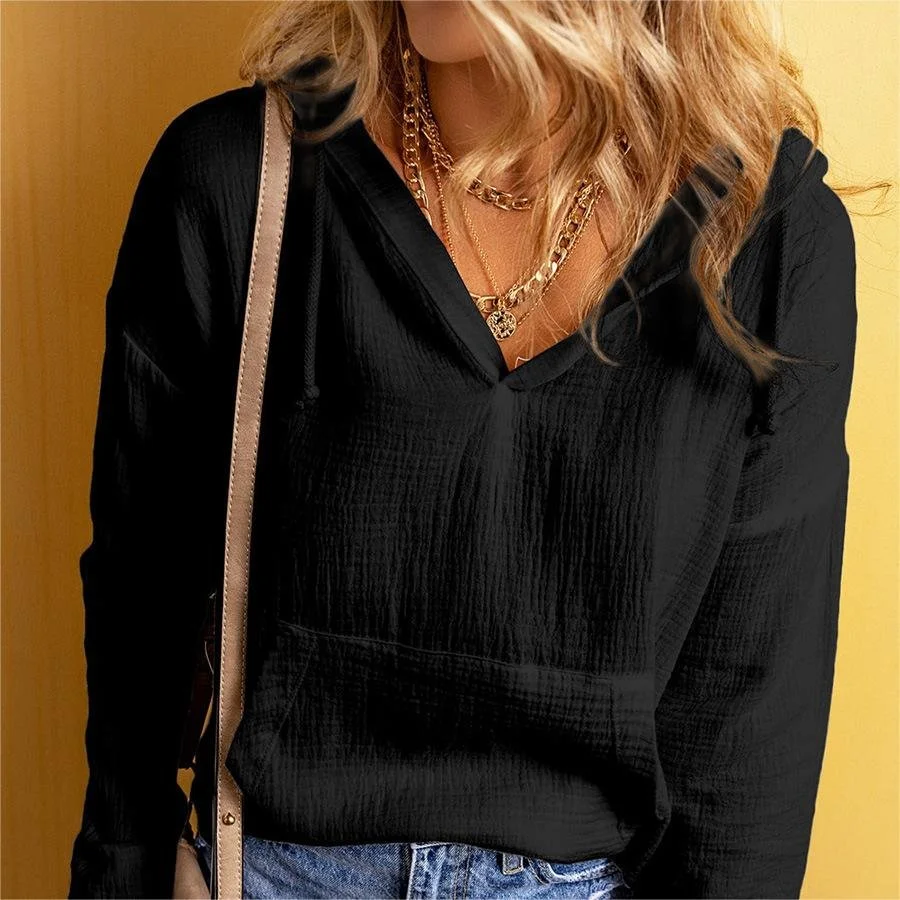
| Cozy Solid Color Women's Pullover Hoodie | $32.88 | Cotton | Ultra-soft, Front Pocket, Solid Color | Everyday comfort, casual layering |
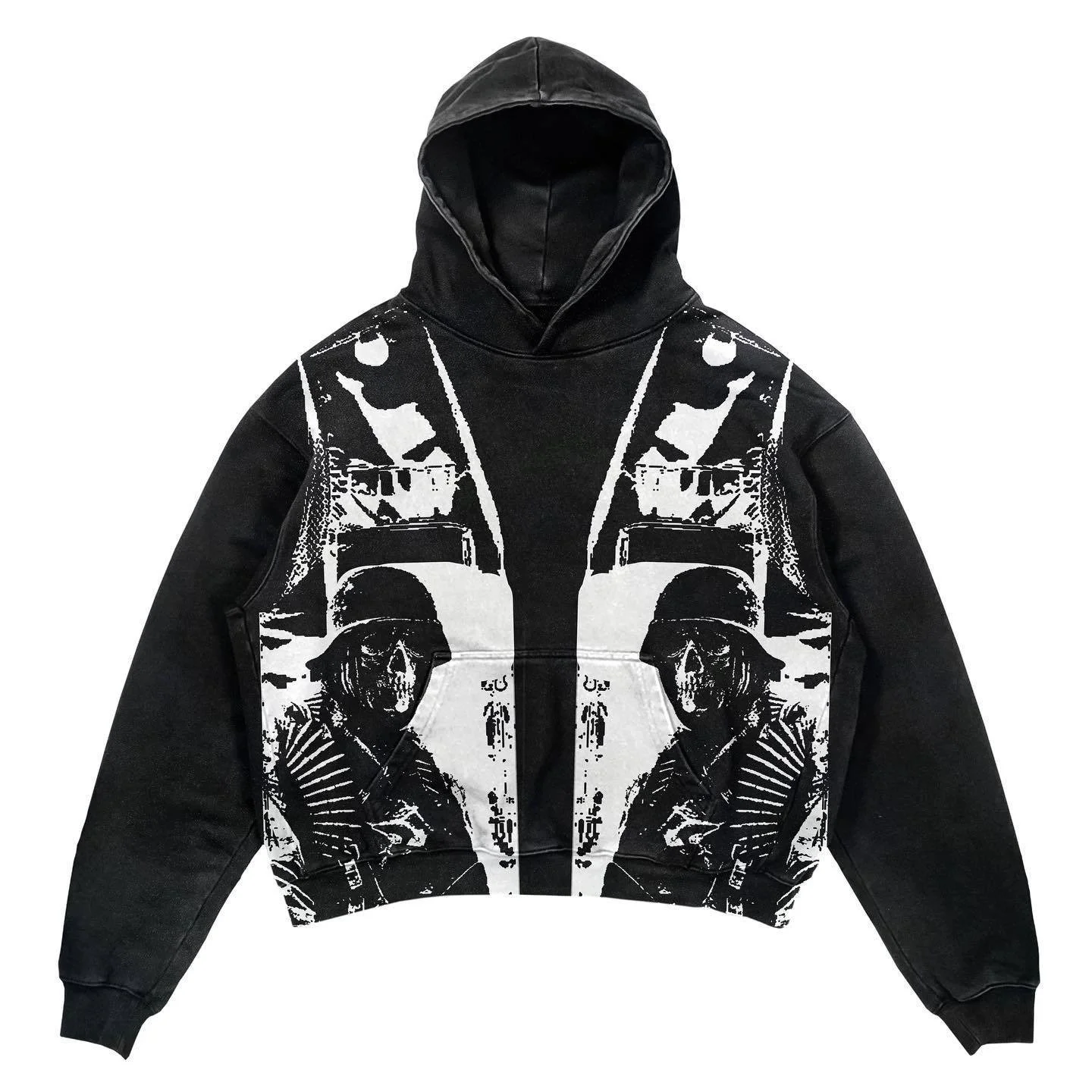
| Gothic Patchwork Oversized Pullover Hoodie | $25.08 | Warm Fabric (Unspecified) | Loose Fit, 3D Print, Edgy Style | Statement fashion, bold look |
| Cozy Oversized Knit Pullover Hoodie | $17.44 | Knit | Loose Fit, Long Sleeves, Free Size | Budget-friendly, casual outings |
| Vintage Washed Velvet Sweater | $59.72 | Cotton/Velvet | Soft Cotton, Loose Fit, Elegant | Stylish warmth, cooler days |
| Funny Cat Hoodie Women's Fashion | $18.12 | Polyester | Kawaii/Harajuku Style, Detailed Sizing | Playful style, specific sizing needs |

Styling Neutrals for Team Spirit
You do not need to wear a jersey to show support. Neutral sweaters in black, white, grey, or navy can be styled to reflect team spirit without looking like a costume. The key is accessorizing and layering strategically.
The Power of Accessories
A neutral sweater serves as a canvas. Add a Nebraska beanie, a scarf with red and white stripes, or a pair of Husker-themed socks. These small touches keep the outfit cohesive and spirited. A red lip or a red nail polish can also tie the look together subtly. This approach allows you to wear the sweater on other days when you are not at a game, increasing its utility.
Layering for Versatility
Choose a sweater that works with multiple layers. If you plan to wear a blazer or jacket over the sweater, ensure the sweater is not too bulky. A slim or mid-weight knit works well under a blazer. A thick, padded sweater may create bulk at the shoulders, making a fitted blazer uncomfortable. If you are wearing the sweater alone, you have more freedom with fit and weight. Consider a cardigan that can be worn open or closed for easy temperature adjustment.

Common Mistakes to Avoid
Even with the right information, easy mistakes can ruin your game day outfit. Here are the most common errors fans make when selecting apparel for fall stadium events.
Ignoring the Sizing Chart
Buying based on your usual size without checking the specific chart is the number one cause of returns. Always measure yourself and compare to the seller's chart. Pay attention to shoulder width and chest/bust measurements. If the measurements are in centimeters, use a conversion tool. Do not guess. A sweater that is too tight will be uncomfortable and restrict movement. A sweater that is too loose will let in cold air.
Choosing the Wrong Fabric for the Forecast
Wearing a heavy wool sweater on a mild 60-degree day will lead to overheating. Conversely, wearing a thin cotton tee on a windy 45-degree day will lead to shivering. Check the forecast for the specific day of the game. Consider wind chill, which can make the temperature feel 5-10 degrees colder. If the forecast is variable, choose a mid-weight layer that can be easily adjusted.
Forgetting About Mobility
Stadium seating requires bending, stretching, and shifting. A sweater with long sleeves that are too tight or a fabric that is too stiff can make these movements uncomfortable. Ensure you can raise your arms and bend forward without the sweater pulling uncomfortably. If in doubt, try it on and mimic the movements you expect to make during the game.

Care and Maintenance Tips
Proper care extends the life of your sweater and keeps it looking its best for multiple seasons. Here are specific tips for the fabrics discussed.
Cotton Sweaters
Wash cotton sweaters in cold water on a gentle cycle to prevent shrinking and fading. Air dry flat to maintain shape. Avoid hanging, as the weight of the water can stretch the fabric. If the sweater has a hood, ensure it is fully dry before storing to prevent mildew. Iron on low heat if needed, but be cautious of any prints or embellishments.
Velvet Sweaters
Velvet requires more delicate care. Check the care label first. Many velvet sweaters require dry cleaning to maintain the pile and color. If machine washing is allowed, use a delicate cycle with cold water and a mild detergent. Do not wring out velvet; press out excess water gently. Dry flat in the shade to prevent sun fading. To restore the pile, use a soft-bristled brush to gently lift any flattened areas.
Fleece and Polyester
Fleece is generally low-maintenance. Wash in cold water and tumble dry on low. Avoid high heat, which can melt or deform synthetic fibers. Use a lint roller to remove pills and pet hair before and after the game. Fleece is resistant to wrinkles, making it an easy choice for travel to the stadium.
Frequently Asked Questions
❓ What is the best sweater weight for outdoor volleyball games in October?
A mid-to-heavyweight sweater is ideal. This weight provides sufficient insulation for the late October chill without causing overheating. It allows for easy layering and movement in the stands.
❓ How do I style a sweater for a college volleyball game?
Pair a neutral sweater with team-colored accessories like a beanie or scarf. Keep the base outfit simple to let the accents show your spirit. Ensure the fit allows for comfortable movement.
❓ What are comfortable options for a long game day watch?
Look for loose-fitting, breathable fabrics like cotton or soft fleece. These materials allow for air circulation and comfort during extended sitting. Avoid stiff or restrictive materials.
❓ Can I wear a neutral sweater to a team event and still look spirited?
Yes, by adding team-colored accessories. A red scarf, white beanie, or Husker-themed socks can transform a neutral outfit. This approach is versatile and stylish.
❓ What fabric is best for staying warm in the stands?
Cotton blends and fleece are excellent for warmth and breathability. Velvet offers high insulation but is less breathable. Choose based on the specific temperature and wind conditions of the day.
❓ How to layer a blazer over a sweater for a fall game?
Choose a slim or mid-weight sweater to avoid bulk. Ensure the shoulders of the sweater do not interfere with the blazer's fit. A cardigan can be an alternative for easier adjustment.
❓ Should I buy a size up for Asian-sized sweaters?
Yes, typically one to two sizes up from your US size. Always check the specific size chart in centimeters and compare to your measurements to ensure a proper fit.
❓ Is a hoodie better than a crewneck for stadium games?
A hoodie offers extra neck warmth and versatility. It can be pulled up for wind protection. A crewneck is simpler and easier to layer under a jacket if bulk is a concern.
Key Takeaways
- Choose a mid-to-heavyweight sweater for optimal warmth and breathability in late October.
- Always check the size chart, especially for Asian-sized items, and size up if necessary.
- Cotton is breathable and comfortable; fleece is warm and quick-drying; velvet is insulating but less breathable.
- Style neutral sweaters with team-colored accessories to show spirit without relying on jerseys.
- Consider layering options to adjust for temperature changes during the game.
- Maintain your sweater according to fabric-specific care instructions to extend its life.
How we chose these products: Based on the product specifications, options, price and the needs described above; prices and availability can change.
Recommended Products for Game Day
Here is a closer look at the specific options available, tailored to different needs and budgets.
1. Velvet Padded Thickened Sweater Couple's Fleece Sweater Cardigan Hoodie
This is a thickened, padded sweater with a polyester lining, designed for maximum warmth. It comes in a wide range of sizes, including extended sizes up to 4XL, and is available in various colors. The padding adds an extra layer of insulation, making it suitable for colder sections of the stadium.
Best for Fans who run cold or sit in exposed outdoor sections where wind chill is a factor. It is also a good option for couples who want matching, high-warmth apparel.


