
After the turkey is carved and the pies are sliced, the real work begins: preserving the leftovers so they stay safe, tasty, and easy to find. This guide walks you through container choices, pantry layout, freezer tricks, and reheating shortcuts, so you can enjoy the feast all week without the stress.
How to choose the right containers
Size matters. A typical turkey carcass yields about 12 cups of meat; plan for 1‑cup portions in separate containers. Look for airtight lids that snap shut—these keep moisture in and odors out.
Material
- Glass – non‑porous, microwave safe, but heavy.
- Plastic – lightweight, often BPA‑free, but can stain.
- Silicone – flexible, collapsible for freezer space, but less rigid for stacking.
Features to check
- Leak‑proof seals (press‑fit or silicone gasket).
- Stackable design—uniform width lets you use vertical space.
- Label window or dry‑erase surface for date stamps.
For turkey, a set of 1‑cup glass containers with snap‑tight lids works best because you can reheat directly in the microwave without transferring.
Organizing leftovers in your pantry
Even before you open the fridge, a tidy pantry makes a difference. Use a rolling kitchen island cart to create a temporary “staging area” where you can sort, label, and stack containers.
Place the cart near the fridge so you can move items in one motion. The Kitchen Island Cart with Solid Wood Top Is a sturdy, mobile option that includes a spice rack and a small drawer for labels.
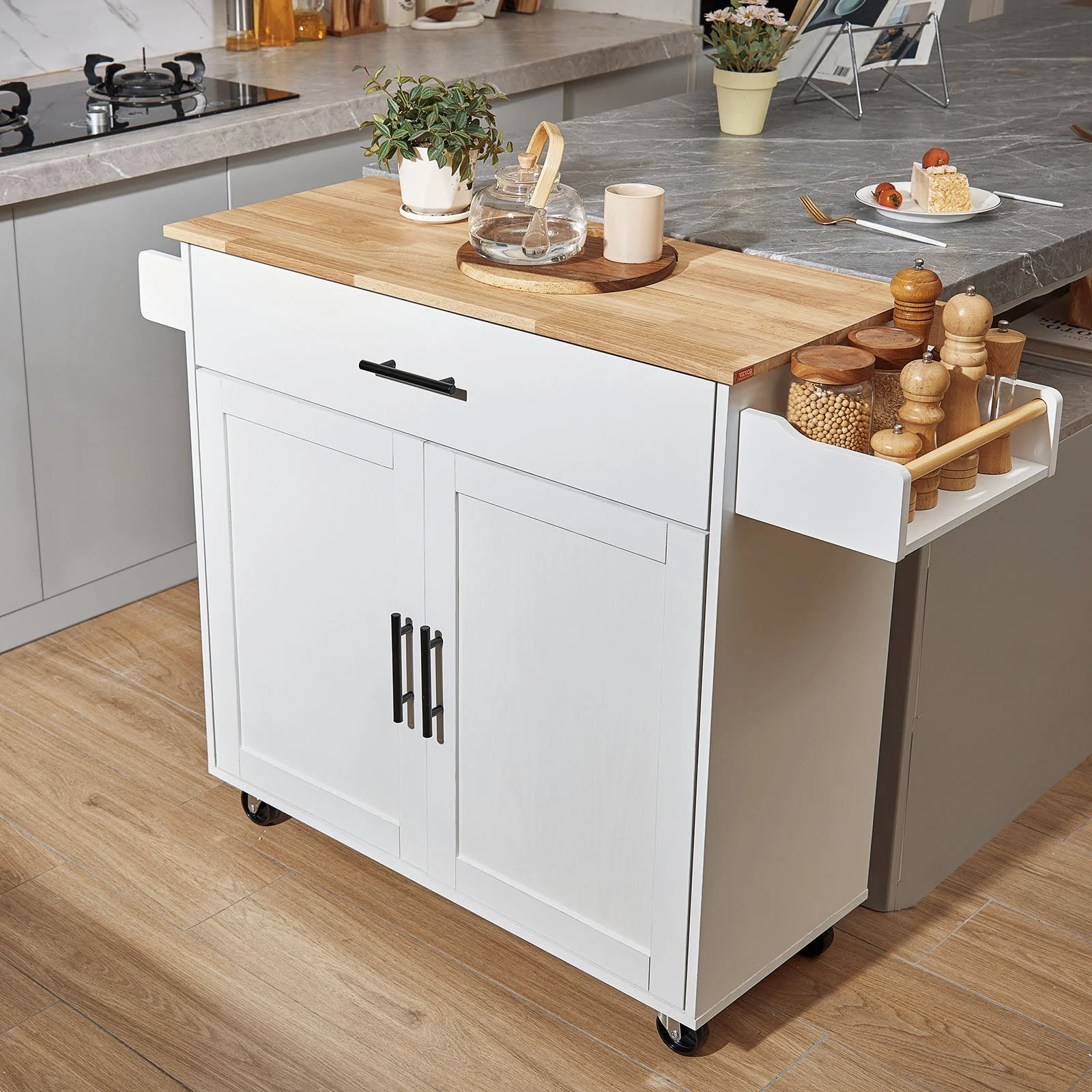
- Pros: Wheels let you slide it under the fridge; built‑in spice rack keeps seasonings handy.
- Con: White finish may show kitchen splatters; choose a larger size if you have a big pantry.
Arrange the cart in three zones:
- Cold zone – containers that will go straight to the fridge.
- Label zone – a small whiteboard or sticky notes for dates.
- Prep zone – a cutting board and a set of knives for quick portioning.

Freezer storage and preventing burn
Freezer burn occurs when air touches the food surface. The key is airtight packaging and a barrier layer.
Step‑by‑step
- Cool cooked food to room temperature (no more than two hours).
- Place portions in a freezer‑grade plastic bag, squeeze out excess air, and seal.
- Wrap the bag in a layer of foil or a reusable silicone lid.
- Label with the date and contents.
For larger items like mashed potatoes, a sturdy container works better. The Fall Corduroy Throw Pillow Covers Aren’t food items, but the same principle of a snug, breathable cover applies—choose a container with a tight‑fit lid to mimic that “cover” effect.
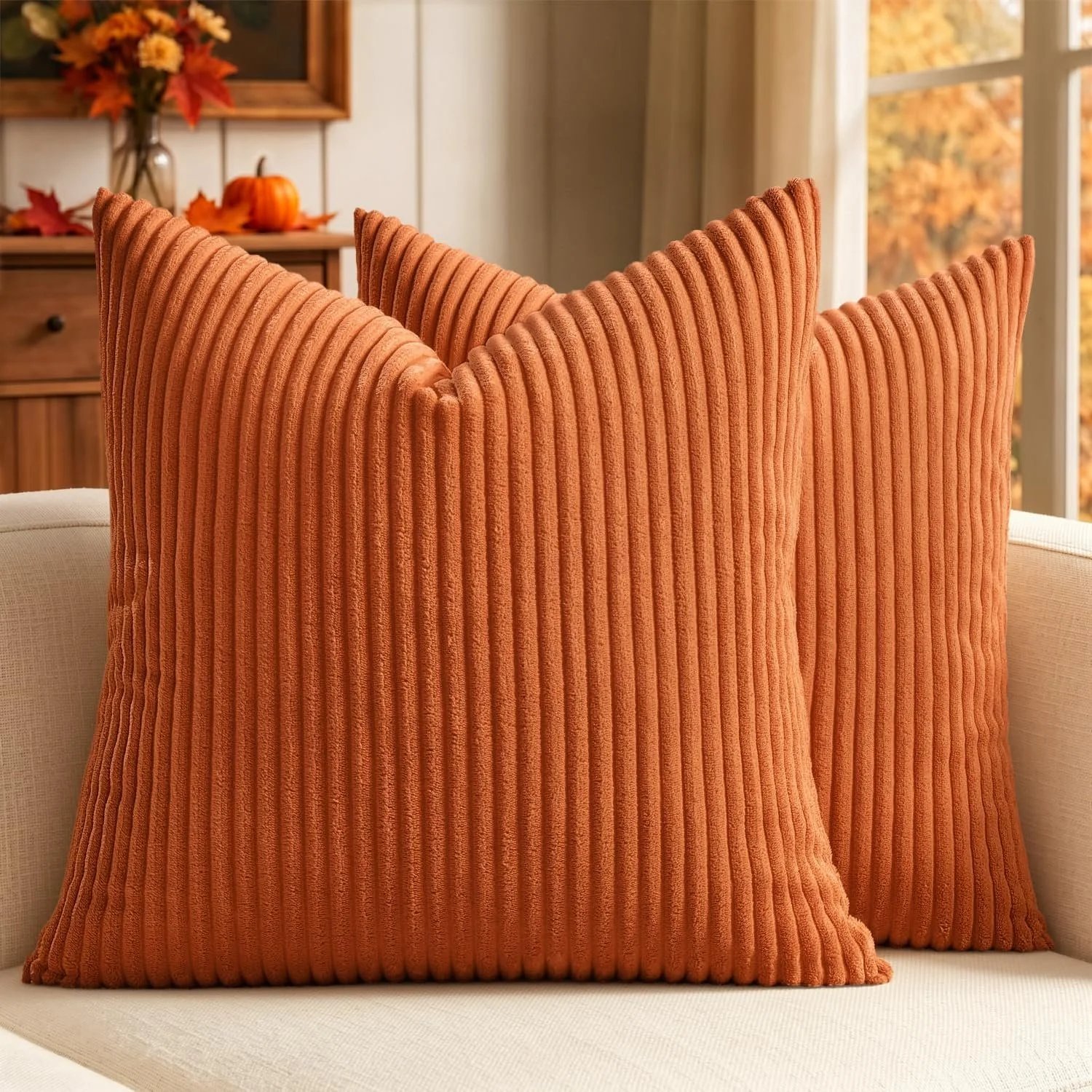
- Pros: Soft fabric adds a visual cue to keep the freezer organized.
- Con: Not a food‑grade product; use only as a visual aid.

Quick reheating tips
Reheat only the portion you’ll eat. Microwaves heat unevenly, so stir halfway through.
- Turkey – add a splash of broth, cover with a microwave‑safe lid, heat 1‑minute intervals, stirring.
- Stuffing – spread in a thin layer on a plate, cover, and heat 30‑second bursts.
- Gravy – use a small saucepan over low heat, whisk constantly.
For a stovetop finish, transfer the container to a skillet, add a dab of butter, and cover for 3‑4 minutes. This restores crisp edges without drying out the interior.

Common mistakes to avoid
- Storing hot food directly in the fridge—raises temperature and shortens shelf life of other items.
- Using containers without a proper seal—leads to freezer burn and odor transfer.
- Over‑packing the freezer—blocks air flow, causing uneven freezing.
- Neglecting labels—makes it easy to forget what’s inside and when it was stored.
Product comparison
| Product | Price | Category | Material/Features | Best for |
|---|---|---|---|---|
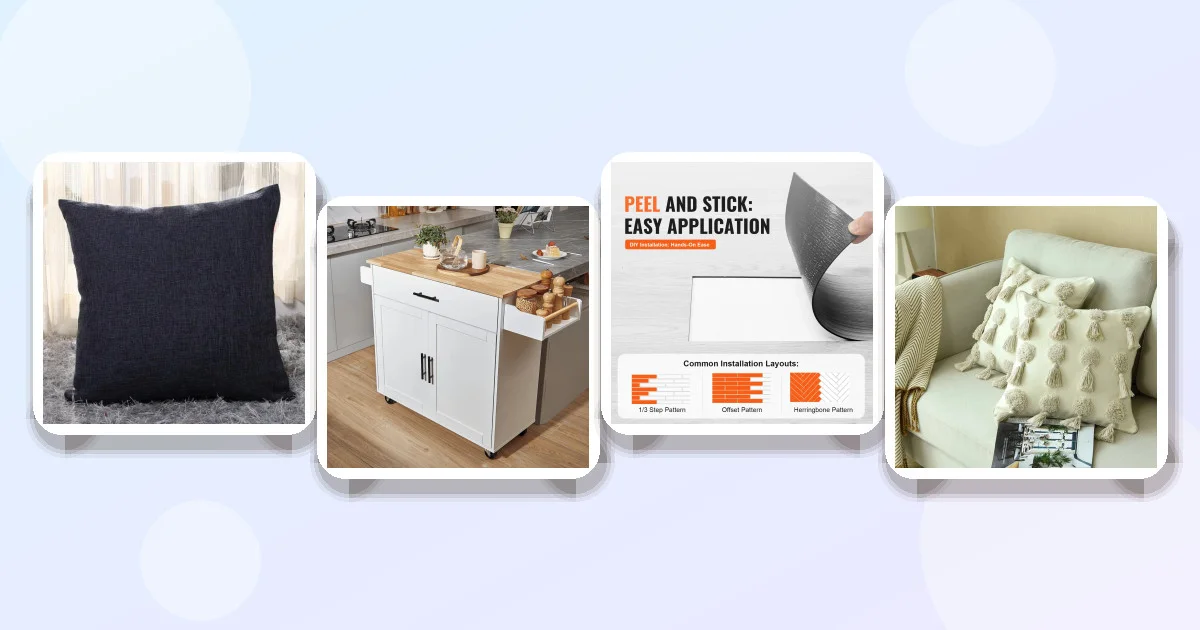
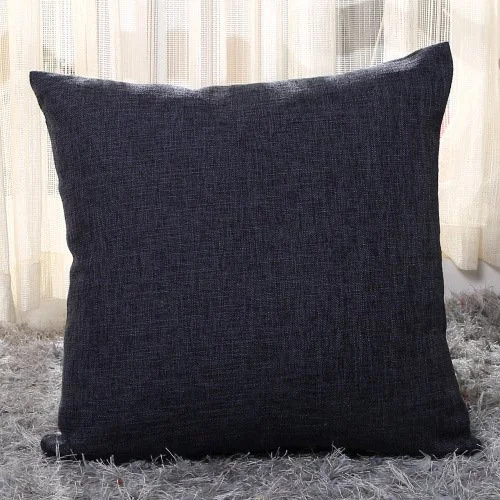
| Home Linen Pillow Case | $3.24 | Covers Mats & Cushions | Linen cover, spandex jacket, PP cotton filler | Visual pantry tags or decorative labeling |
| Kitchen Island Cart | $463.68 | Home Storage & Organization | Solid wood top, spice rack, drawer, wheels | Mobile staging area for leftovers |
| Vevor Vinyl Floor Tiles | $233.28 | Home Storage & Organization | Peel‑&‑stick, 2.5 mm thick, wood‑grain look | Creating a slip‑resistant floor under freezer |
| Homestay Tufted Pillows | $14.40 | Covers Mats & Cushions | Blended fabric, 45 × 45 cm | Soft padding for freezer bins to prevent dents |
| Fall Corduroy Throw Pillow Covers | $167.96 | Covers Mats & Cushions | 14 × 14 in corduroy, orange | Visual cue for sealed freezer bags |
| Japanese Style Washable Cotton Headboard Cushion | $41.48 | Covers Mats & Cushions | Cotton, 100 % filler, washable | Reusable cover for pantry shelves |
Frequently asked questions
❓ What are the best containers for storing turkey leftovers?
Glass containers with airtight, snap‑tight lids are ideal because they are non‑porous, microwave safe, and keep moisture in. Look for 1‑cup sizes so you can portion out meals without extra scooping.
❓ How long can I keep Thanksgiving side dishes in the fridge?
Most cooked sides stay safe for 3‑4 days when stored in airtight containers at 40 °F or below. Soups and gravies may last a day longer, but always check for off smells before reheating.
❓ How should I organize leftover food in my pantry after Thanksgiving?
Create three zones—cold (items heading to the fridge), label (date stickers or a whiteboard), and prep (cutting board, knives). Use a rolling kitchen island cart to keep everything mobile and visible.
❓ What are quick reheating tips for Thanksgiving leftovers?
Reheat only what you’ll eat, add a splash of broth to turkey, cover containers, and heat in 1‑minute bursts, stirring halfway. For crisp edges, finish on the stovetop with a covered skillet.
❓ Which storage bins keep food fresh the longest?
Bins with tight‑fit, silicone‑gasket lids protect against air and moisture. Plastic bins labeled “Freezer‑Ready” work best for bulk items like stuffing.
❓ How can I prevent freezer burn on Thanksgiving leftovers?
Wrap each portion in a freezer‑grade bag, squeeze out all air, then add a foil or silicone layer before placing in the freezer. Label with date and use within three months.
❓ Can I use decorative pillow covers as pantry labels?
While not food‑grade, pillow covers can serve as a visual cue for sealed freezer bags, reminding you to keep the freezer organized. Just keep them separate from the food.
Key takeaways
- Choose airtight, portion‑sized containers—glass for turkey, plastic for sauces.
- Label every container with a date; a simple marker prevents waste.
- Use a rolling kitchen island cart to stage, sort, and move leftovers efficiently.
- Wrap freezer items in a bag, remove air, then add a secondary barrier to stop burn.
- Reheat in small batches, adding moisture and covering to keep food from drying out.
- Avoid common pitfalls like hot food in the fridge and over‑packed freezers.
How we chose these products: Selections were based on the listed specifications, price points, and how each item can support the storage, organization, or visual‑cue needs described above.
===HTML===