Every weekday you face a sub‑zero subway ride, a chilly sidewalk, and a brief moment in a heated office. This guide walks you through the exact layers, fabrics, and accessories that keep you warm, look professional, and stay comfortable from the platform to the boardroom.
How to Choose Materials and Sizes
Cold‑weather layering works when each piece does its job. Look for:
- Base layer: 0.2 mm to 0.4 mm merino wool or synthetic polyester. It should hug your skin without feeling bulky.
- Mid layer: 200‑300 gsm cashmere, merino, or a cotton‑blend sweater. The weight determines how long you can stay warm before needing a heavier coat.
- Outer layer: 12‑16 oz wool or a waterproof breathable shell. It must accommodate the sweater underneath without pulling at the shoulders.
Fit matters more than brand. For a blazer‑compatible coat, measure your chest at the fullest point and add 2‑3 inches for the outer layer. Sleeve length should allow a fingertip of the sweater to show when your arms are at your sides.
Layering Basics: Base, Mid, and Outer
Think of your outfit as a three‑part system.
Base Layer
Choose a thin, moisture‑wicking top. If you sweat on the subway, a synthetic base dries faster than cotton and prevents chill.
Mid Layer (Sweater)
This is where style meets function. A fine‑knit cashmere sweater adds 30 °F of warmth without bulk. For a more budget‑friendly option, a thick cotton‑blend works if you pair it with a heavier coat.
Outer Layer (Coat)
Look for a coat with a structured shoulder and enough room for your sweater. A classic wool trench in navy or charcoal pairs well with most office attire.
Sweater Picks for the DC Commute
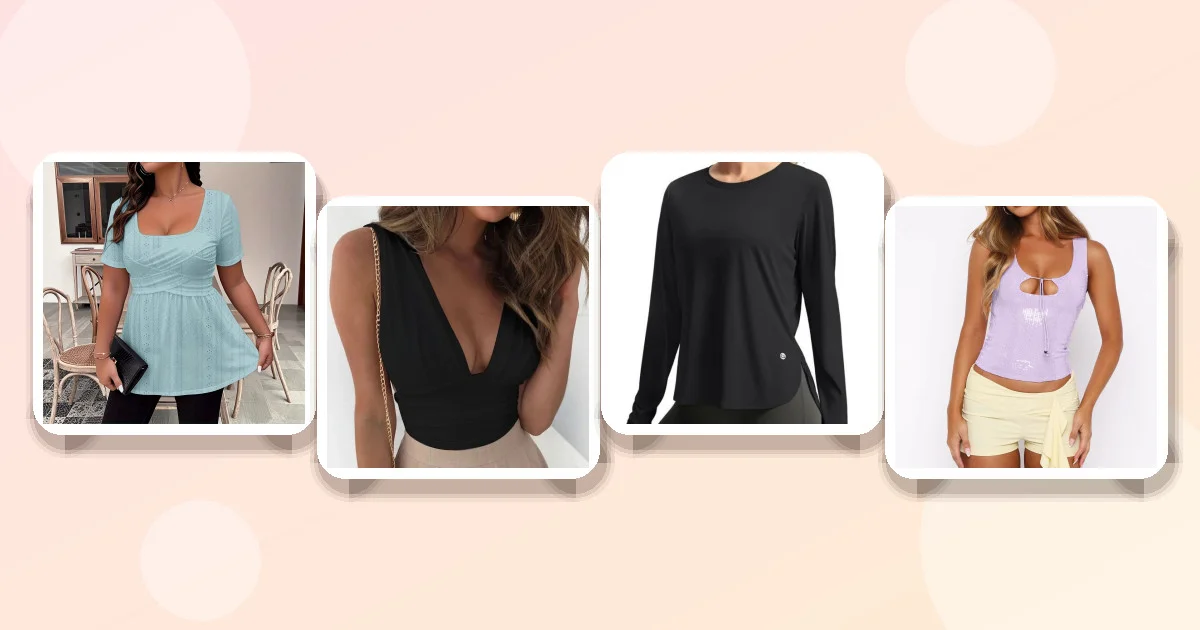
Professional women need a sweater that looks polished under a blazer yet provides enough insulation for a subway ride that can dip below 30 °F.
Consider a 250 gsm merino crewneck in a neutral tone. It layers easily under a coat and can be worn alone on milder days.
Glove Guide: Warmth Without Sacrificing Style
Gloves are the final barrier between you and the wind. Choose based on material, coverage, and how they fit under a coat cuff.
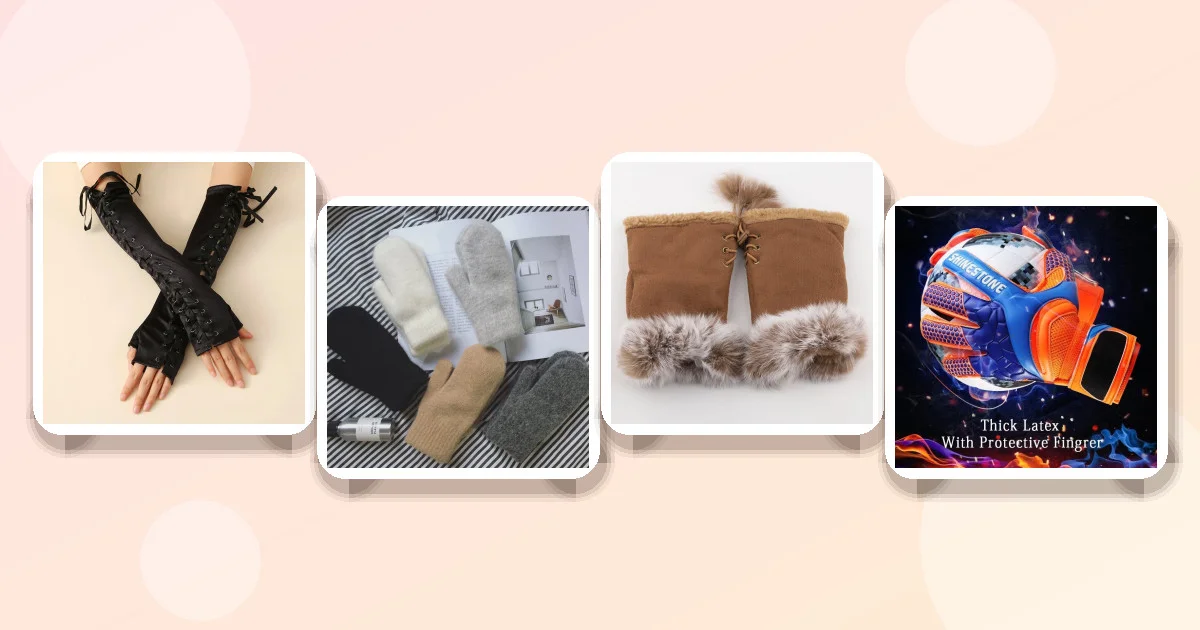
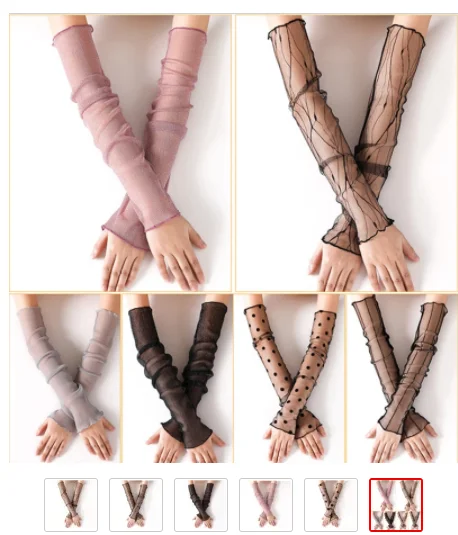
Elegant Fingerless Satin Arm Sleeves

- Luxurious satin adds a polished look.
- Fingerless design lets you use your phone.
- Limited to one size; may feel loose on larger hands.
Warm Velvet Padded Riding Gloves

- Plush velvet interior keeps hands warm.
- Multiple colors let you match any coat.
- One‑size fit may be too roomy for petite hands.
Warm Half Finger Rabbit Hair Gloves

- Rabbit hair offers natural insulation.
- Half‑finger style works with touchscreen devices.
- Only monochrome colors; limited to classic shades.

- Acrylic knit is soft and easy to care for.
- One‑size fits most adult hands.
- Not waterproof; unsuitable for heavy snow.
Choosing a Coat That Fits Over a Sweater
Measure your sweater’s chest and sleeve length before shopping. A coat with a 2‑inch chest allowance and a 1‑inch sleeve allowance will slip on without tugging.
Wool blends with a brushed interior add extra warmth without extra layers. A double‑breasted trench in navy works with a navy blazer underneath, keeping the silhouette sleek.
Do You Need a Car Blanket for Snow Days?
If you drive a short distance to the Metro, a blanket is optional. However, on heavy snow days a lightweight, foldable blanket can keep the front seats from freezing and protect upholstery.
Look for a blanket made of micro‑fleece (200 gsm) that folds into a compact pouch. It should be easy to store under the seat and washable.
Common Mistakes to Avoid
- Skipping the base layer: moisture builds up and makes you feel colder.
- Choosing a coat that’s too tight: it restricts movement and compresses insulation.
- Wearing cotton as a mid layer: cotton holds water and loses heat quickly.
- Ignoring glove cuff length: cuffs that are too short let cold air in.
- Relying on a single heavy sweater instead of a balanced three‑piece system.
Frequently asked questions
❓ What layers should I wear for a freezing DC subway ride?
Start with a thin, moisture‑wicking base, add a 250 gsm cashmere or merino sweater, then a structured wool coat with enough room for the sweater; finish with insulated gloves that fit under the coat cuff.
❓ Which women's sweaters are best for a cold morning commute?
A mid‑weight (200‑300 gsm) merino crewneck in a neutral color offers warmth, breathability, and a professional look that pairs well with a blazer or coat.
❓ How can I keep my hands warm without ruining my outfit?
Choose gloves with a slim profile and a material that matches your coat—like the velvet‑padded riding gloves for a polished look, or half‑finger rabbit hair gloves for touchscreen use.
❓ Do I need a blanket for my car when it snows in DC?
A compact micro‑fleece blanket is useful on heavy snow days to prevent frozen seats, but most commuters can rely on a good coat and gloves alone.
❓ What color gloves match a navy blazer for winter?
Neutral tones such as black, dark grey, or deep camel complement a navy blazer; the velvet padded gloves in black or camel work well.
❓ How to choose a coat that fits over a sweater and still looks professional?
Measure your sweater’s chest and add 2‑3 inches; look for a coat with a structured shoulder and a sleeve that allows a fingertip of the sweater to show.
❓ Can I wear fingerless gloves and still look formal?
Yes, fingerless satin arm sleeves add a sophisticated touch while letting you use your phone, making them suitable for formal events.
Key takeaways
- Base layer = thin, moisture‑wicking; mid layer = 200‑300 gsm sweater; outer = structured coat with room.
- Measure your sweater before buying a coat; add 2‑3 inches for comfort.
- Choose gloves that match coat color and provide enough coverage for the cuffs.
- A lightweight micro‑fleece car blanket is handy but not essential.
- Avoid cotton as a mid layer and oversized coats that compress insulation.
How we chose these products: Selections were based on the listed materials, price points, and how each item fits a typical DC professional’s layering needs; availability and pricing may change.
===HTML===