
Wearing sweaters in the fall often feels like a compromise for curvy women. You want warmth, but you also want to avoid looking like you are wearing a sleeping bag. The problem isn't your body; it's the standard "chunky knit" advice that ignores how fabric drapes on different frames. This guide skips the generic tips and focuses on specific mechanics: which fabrics actually insulate without adding inches, how to adjust fit for sizes 14 and up, and how to build a capsule that works for both office and weekend. You will learn to select pieces that layer flat, not puffy.
- The Core Principles of Curvy Layering
- Fabric Guide: What to Wear and What to Skip
- Fit and Sizing: How to Choose the Right Size
- Product Comparison: Key Fall Layers
- Styling Techniques for Streamlined Silhouettes
- Common Mistakes to Avoid
- Care and Maintenance for Longevity
- Frequently asked questions
- Key takeaways
The Core Principles of Curvy Layering
Layering is not about adding more clothes; it is about managing air space. The mechanism of warmth works by trapping air between your body and the outer layer. For plus size bodies, the goal is to create these air pockets without adding visual volume. If you stack three thick, bulky items, you trap air, but you also add significant circumference. The solution is the "thin base, structured mid, open outer" rule.
Rule 1: The Base Layer Must Be Thin
Your first layer sits directly against your skin. If this layer is thick, it pushes everything else out. A thick cotton tee adds 0.5 to 1 inch of bulk under a sweater. A thin, fitted long-sleeve top adds almost none. For fall, look for fabrics that are smooth and cling slightly. This creates a flat canvas for the next layer. Avoid boxy base layers that bunch up at the waist or hips.
Rule 2: The Mid Layer Should Have Structure
This is the layer where warmth happens. A cardigan or a fine-gauge sweater should have enough weight to hold its shape but not so much that it drapes heavily. Structure means the fabric resists stretching out over your midsection. If the mid layer is too soft and thin, it will stretch and cling, highlighting every curve in a way that can feel uncomfortable. If it is too thick, it adds bulk. The sweet spot is a medium-weight knit that falls straight.
Rule 3: The Outer Layer Should Be Open or Long
How you close or leave open the outer layer changes the visual length of your body. A buttoned-up coat or jacket can cut your body horizontally at the waist or bust, adding width. An open cardigan or a longline shirt creates vertical lines that draw the eye up and down. For curvy frames, vertical lines are your best friend in fall because they elongate the torso without adding width.
Fabric Guide: What to Wear and What to Skip
Fabric weight and texture determine how a layer sits on your body. Many people assume that heavier fabric equals more warmth. In reality, fiber type and construction matter more than thickness. A thin merino wool sweater is warmer than a thick cotton sweater because wool traps air more efficiently in smaller fibers. For fall layering, you need fabrics that are breathable enough to prevent overheating but insulating enough to handle the drop in temperature.
Best Fabrics for Fall Layers
- 100% Cotton (Fine Gauge): Ideal for base layers. Cotton is breathable and hypoallergenic. Look for "jersey" or "interlock" knits, which are tighter weaves that don't stretch too much. Avoid heavy terry cloth or fleece-backed cotton for layering under sweaters, as they add bulk and can feel scratchy.
- Merino Wool Blends: The gold standard for mid-layers. Merino wool is fine, soft, and odor-resistant. It regulates temperature well, keeping you warm without overheating. Look for blends with nylon or acrylic for durability, as pure merino can wear out faster at the elbows.
- Velvet and Suede-look Fabrics: These are excellent for outer layers or statement pieces. They have a fluid drape that skims the body rather than clinging. Because they are often heavier, they provide structure. They are great for blouses or shirts that you wear over a thin base layer.
- Polyester Blends (High Quality): Not all polyester is bad. High-quality polyester blends with elastane (spandex) provide stretch and recovery. They hold their shape better than pure cotton after washing. Look for "performance" blends that wick moisture, which helps prevent clammy feelings when you move from cold outside to warm inside.
Fabrics to Use with Caution
- Chunky Knits (Cable Knit): These are the biggest culprits for bulk. The raised pattern adds physical volume. If you love cable knits, wear them as your outer layer, not under a coat. Never layer a chunky knit under a mid-layer sweater.
- Sheer Materials: While trendy, sheer layers can be tricky. If you wear a sheer top, you must wear a bra or base layer underneath, which adds a layer. This can create a "sandwich" effect that feels tight. Use sheer pieces as the outer layer over a solid, fitted base.
- Fleece: Fleece is warm but bulky. It is best reserved for the coldest days as an outer layer or for active use. It does not layer well under structured garments because it puffs up.
How Fabric Weight Affects Fit
Fabric weight is often measured in GSM (grams per square meter), but you can judge it by hand. Hold the fabric up. If you can see light through it, it is light. If it hangs heavy and falls straight, it is medium to heavy. For plus size layering, aim for medium-weight fabrics for your mid-layers. Light fabrics cling and highlight every contour, while very heavy fabrics add weight that can pull shoulders down. Medium weight provides the best balance of drape and structure.
Fit and Sizing: How to Choose the Right Size
Sizing is where most layering fails. Many plus size women size up to be comfortable, but this leads to baggy layers that bunch up. The goal is a "snug but not tight" fit for base layers and a "relaxed but structured" fit for mid-layers. Here is how to approach sizing for each layer.
Base Layer Fit
Your base layer should fit like a second skin. It should not ride up when you raise your arms, but it should not dig into your skin. Check the sleeve length. If the sleeve is too short, it will pull up when you layer a sweater over it, exposing your wrist. If it is too long, it will bunch at the cuff. A curved hem is a major plus. A straight hem can lift at the back when you sit, exposing your lower back. A curved hem stays in place as you move.
Mid-Layer Fit
For sweaters and cardigans, you have two options: fitted or oversized. Fitted mid-layers work if you want to show your silhouette. They should skim your body without pulling at the buttons or seams. Oversized mid-layers work if you want to hide the midsection. However, oversized pieces must be long enough to cover your hips. If an oversized sweater ends at the high hip, it will pull up and look awkward. When in doubt, choose a size that allows you to button the cardigan without straining the chest area. Strained buttons create horizontal lines that add width.
Outer Layer Fit
Outer layers like blazers or long shirts should hang away from the body. They should not be tight at the shoulders. Shoulder seams should sit exactly on the edge of your shoulder, not fall off. If the shoulders are too narrow, the garment will pull across the back, creating tension lines. If they are too wide, the garment will look like it is swallowing you. Check the side seams. They should fall straight down, not curve out over your stomach.
Measuring Yourself for Online Shopping
Do not rely on size labels. Size 14 in one brand is size 16 in another. Always measure your bust, waist, and hips. Compare these numbers to the specific size chart for each item. Look for the garment's measurements, not just the size label. If your bust is 42 inches, look for a size where the garment's bust measurement is at least 44 inches (for a relaxed fit) or 42-43 inches (for a fitted fit). Always check the length measurement. For layering, you need extra length in the torso to prevent the bottom from riding up.
Product Comparison: Key Fall Layers
The following products are selected for their specific role in a plus size fall wardrobe. Each piece serves a different function, from base layering to outer accent. Note that sizing varies by brand and style, so always check the specific size chart before purchasing.
| Product | Price | Type / Material | Options Available | Best For |
|---|---|---|---|---|
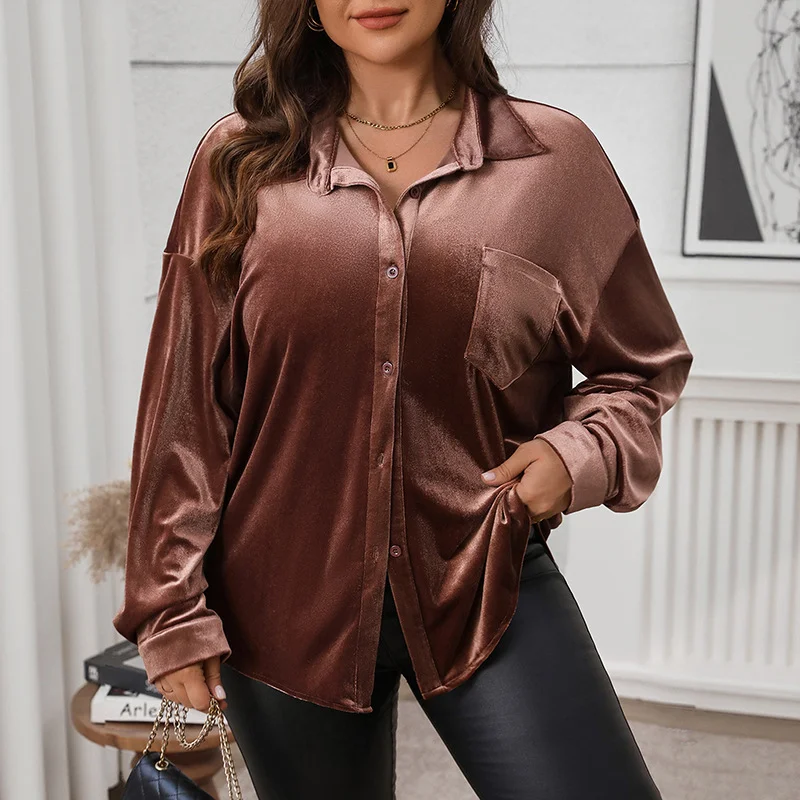
| Casual Retro Style Velvet Loose Lapels Solid Color Plus Size Shirt | $30.52 | Velvet / Loose Lapel Shirt | Check product listing for specific colors/sizes | Structured outer layer over thin bases |
| Women's Curved Hem Long Sleeve Slim Fit Top | $17.96 | Long Sleeve Top / Slim Fit | Black, Wine Red (S-2XL) | Base layer for office or daily wear |
| Micro Transparent One-shoulder Cold-shoulder T-shirt | $41.92 | Polyester Blend / Sheer | White, Gray (S-L) | Statement outer layer over solid base |
| Crew-neck Cropped Elegant Dark-print Plus-size Short-sleeve T-shirt | $19.44 | Short Sleeve T-Shirt / Cropped | Check product listing for specific colors/sizes | Summer-to-fall transition layer |
| Women's V-Neck Flounce Casual T-Shirt | $15.08 | Cotton / V-Neck Flounce | Gray (S-XXL) | Everyday casual base or mid-layer |
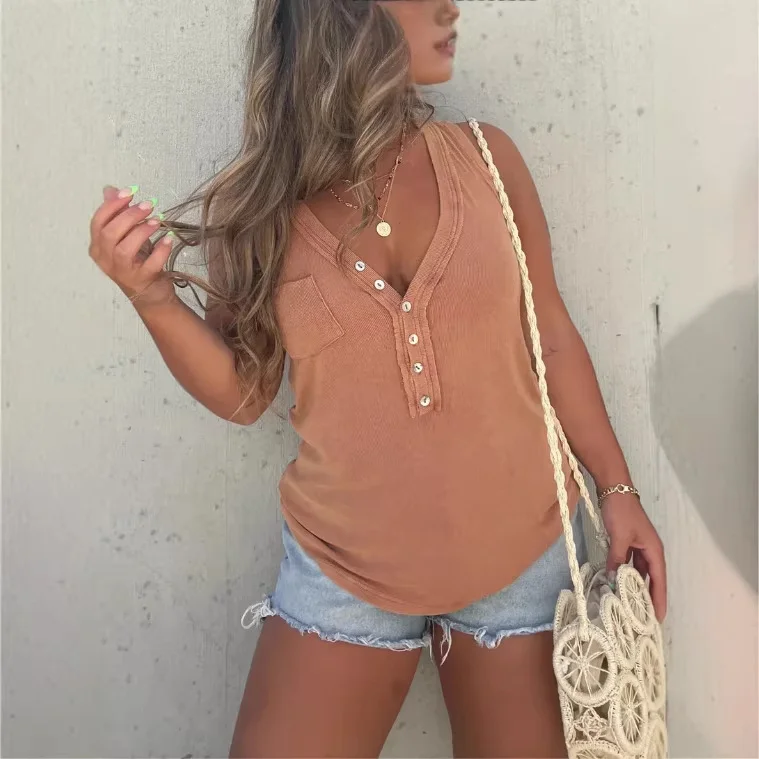
| Women's Deep V-Neck Sleeveless Solid Color T-Shirt Vest | $18.80 | Sleeveless Vest / Buttoned Pocket | Check product listing for specific colors/sizes | Warmth add-on for arms-free layering |
Product Breakdowns
Casual Retro Style Velvet Loose Lapels Solid Color Plus Size Shirt Is a structured outer layer that adds texture and definition to a simple outfit. The loose lapels create a V-shape that elongates the neck and draws the eye down, which is flattering for curvy frames. The velvet material provides a slight weight that helps the shirt hang straight rather than clinging to the body.
Best for Women who want a polished look for work or dinners who need an outer layer that adds structure without bulk.- Pro: The loose lapel design creates a natural V-neckline, avoiding the need to layer under a scoop neck.
- Pro: The solid color and retro style are versatile enough to pair with jeans, trousers, or skirts.
- Con: Velvet can be sensitive to static and may require gentle care to maintain its sheen.
Women's Curved Hem Long Sleeve Slim Fit Top Is designed specifically for layering. The slim fit ensures it sits flat against the body, while the curved hem prevents the top from riding up when you sit or reach. This is a functional piece that solves common layering frustrations.
Best for Office commuters who need a clean, professional base layer that stays tucked or lies flat under sweaters.- Pro: The curved hem is a practical feature that keeps the layer in place during movement.
- Pro: Available in neutral colors like Black and Wine Red, which are easy to coordinate with fall palettes.
- Con: The slim fit may feel restrictive for those who prefer a looser base layer, so check the size chart carefully.

Micro Transparent One-shoulder Cold-shoulder T-shirt Is a statement piece that uses sheer fabric to create visual interest without adding weight. The one-shoulder design breaks up the symmetry of a standard top, which can be flattering for curvy bodies by drawing attention to the shoulder and neck.
Best for Those who want a unique, modern look for evening or casual outings who are comfortable wearing a bra or base layer underneath.- Pro: The sheer material adds a layer of visual depth without physical bulk.
- Pro: The cold-shoulder cut allows for layering with sleeves or arm warmers for added warmth.
- Con: Requires a well-fitting bra or base layer to avoid visibility, which adds an extra step to getting dressed.

Crew-neck Cropped Elegant Dark-print Plus-size Short-sleeve T-shirt Is a transitional piece. The short sleeves make it suitable for early fall or as a base layer under a cardigan in milder weather. The cropped length can be tricky for some body types, but it can work well if paired with high-waisted bottoms.
Best for Early fall layering or as a base under a long cardigan when the weather is mild.- Pro: The dark print adds visual interest without the bulk of a patterned sweater.
- Pro: Short sleeves allow for easier layering under mid-weight sweaters without overheating.
- Con: The cropped length may not be suitable for those who prefer full coverage or who have a longer torso.
Women's V-Neck Flounce Casual T-Shirt Is a soft, breathable option made from cotton. The V-neck is a classic choice for layering because it allows for visible necklines from undergarments or jewelry. The flounce detail adds a bit of movement and softness to the silhouette.
Best for Everyday casual wear or as a base layer under a lightweight cardigan for weekend outings.- Pro: The cotton material is breathable and comfortable for all-day wear.
- Pro: The V-neck is versatile and works with various necklace styles and undergarments.
- Con: Cotton can wrinkle easily, so it may need ironing or steaming to look polished.

Women's Deep V-Neck Sleeveless Solid Color T-Shirt Vest With Buttoned Pocket Detailing Is a functional mid-layer that adds warmth to the core without adding bulk to the arms. The deep V-neck and buttoned pocket add detail, while the sleeveless design keeps the arms free for movement.
Best for Adding core warmth on cold days without the restriction of long sleeves, especially for those who work with their hands.- Pro: The sleeveless design allows for layering with other sleeves or keeps arms free for mobility.
- Pro: The buttoned pocket adds a practical element for carrying small items like keys or a phone.
- Con: May not provide enough warmth for very cold weather without an outer coat.
Styling Techniques for Streamlined Silhouettes
Knowing which pieces to buy is only half the battle. How you combine them determines the final look. Here are specific techniques to keep your layers looking intentional and slim.
Technique 1: The Tuck and Pull
Never fully tuck a thick sweater into your pants. The waistband of