

You have a corner that feels empty, a window seat that gets too cold in October, or a spare armchair that you only use when guests stay over. You want to turn that space into a place you actually want to sit in when the temperature drops. This guide skips the vague "add some warmth" advice and gives you specific measurements, material breakdowns, and styling techniques to build a functional, comfortable reading nook. You will learn exactly how large your rug should be, which fabrics hold up to daily use, and how to layer textiles so the space feels curated, not cluttered.
Laying the Foundation: Rug Sizing and Placement
The rug is the single most important element in defining a reading nook. It signals the boundary of the space and provides the acoustic and thermal base for your comfort. If the rug is too small, the nook feels like an afterthought. If it is too large, it competes with the rest of the room. You need to measure before you buy. The general rule for a dedicated reading chair is that the front legs of the chair should sit on the rug. This anchors the seating and prevents the chair from sliding on hard floors when you shift your weight.
Calculating the Right Dimensions
For a standard single-seat reading nook, a rectangular rug measuring 5x7 feet is the industry standard. This size allows enough room for a chair, a small side table or floor lamp, and some space to stretch your legs. If your nook is tucked into a tight corner or a bay window, a 3x5 feet rectangular rug or a 4x4 feet square rug is more appropriate. A round rug with a diameter of 4 to 5 feet works well for a single chair in the center of a larger room, but it is less effective in corners because the corners of the room remain exposed.
Measure the distance from the wall to the front of where your chair will sit. Add at least 12 inches to that measurement. This buffer ensures the rug does not look cramped. If you are using a bench or a loveseat instead of a chair, you need a larger rug. A 6x9 feet rug is the minimum for most benches to ensure both front legs are supported. For renters who cannot move heavy furniture, consider a rug pad. A non-slip rug pad prevents the rug from shifting under your feet, which is a common safety issue in high-traffic nooks.
Material Matters for Fall Comfort
Material determines how the rug feels and how it ages. Wool is the premium choice for fall and winter. It is naturally insulating, so it retains heat better than synthetic fibers. It is also durable and can handle foot traffic without matting down quickly. However, wool is expensive and requires specific care. Cotton is a more affordable alternative. It is breathable, which prevents the nook from feeling stuffy if the heating is on high. Cotton rugs are easier to clean than wool but can wear out faster in high-traffic areas. Jute and sisal are popular natural fibers, but they are not ideal for a cozy reading nook. They are stiff and can feel rough against the skin if you barefoot. They also do not insulate well, so the floor will still feel cold in early winter. For a truly cozy feel, stick to plush wool, thick cotton, or a blended fiber that includes some wool content.

Choosing Your Seat: Cushions and Support
A reading nook is not just about looking warm; it is about sitting comfortably for long periods. Most armchairs and window seats have hard or thin padding. Adding a cushion changes the entire experience. The right cushion provides lumbar support and prevents your body from going cold against the chair back. You do not need a full-scale furniture upgrade. A few well-chosen cushions can transform a basic chair into a dedicated reading spot.
The Importance of Seat Depth and Height
Check the depth of your chair seat. If the seat is deep, you may need a lumbar cushion to support your lower back. If the seat is shallow, a standard square cushion might slide forward when you lean back. In this case, a slightly smaller cushion or one with a non-slip backing is better. For window seats, which often lack back support, a large back cushion is essential. Look for cushions with a firm core. Fluffy, down-filled cushions look nice but collapse when you sit on them, offering little support. A cotton or polyester blend with a dense fill holds its shape better over time.
Introducing the Thicken Plush Cushions
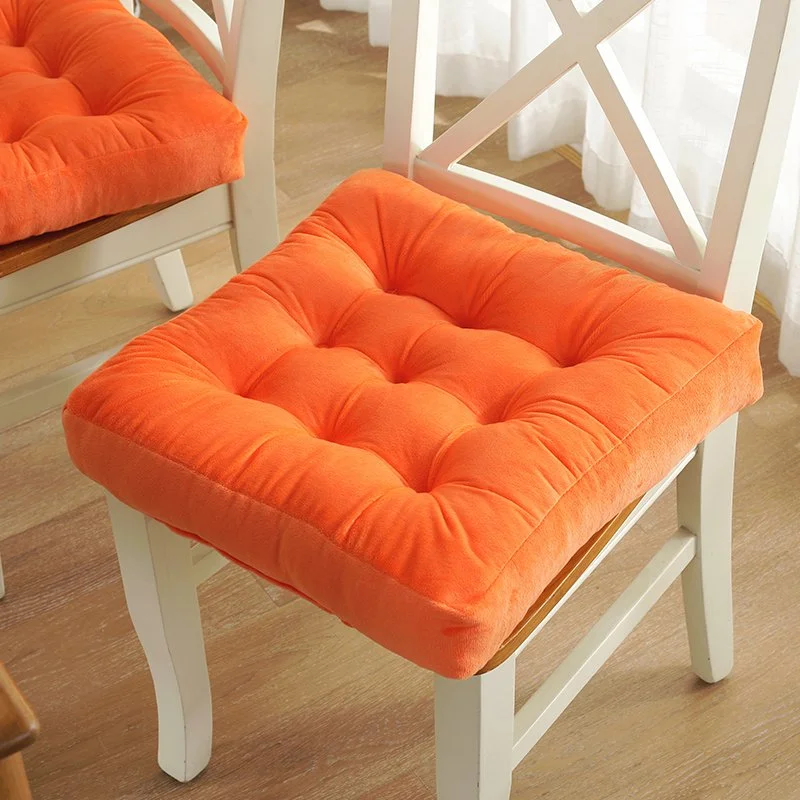
If you need a seat cushion that adds significant bulk and warmth, the Thicken Plush Cushions for Sitting in Winter Is a practical option. It is designed specifically for colder months, featuring a plush material that adds a layer of insulation between you and the chair.
- Pro: The plush texture provides immediate warmth and softness, ideal for winter reading sessions.
- Pro: Available in three sizes (38x38cm, 43x43cm, 48x48cm), allowing you to match the cushion to your specific chair dimensions.
- Con: Asian sizing runs 1–2 sizes smaller than US/EU standards. If your chair is on the larger side, check the actual centimeter measurements carefully to avoid a cushion that is too small.
Adding Visual Interest with Round Pillows
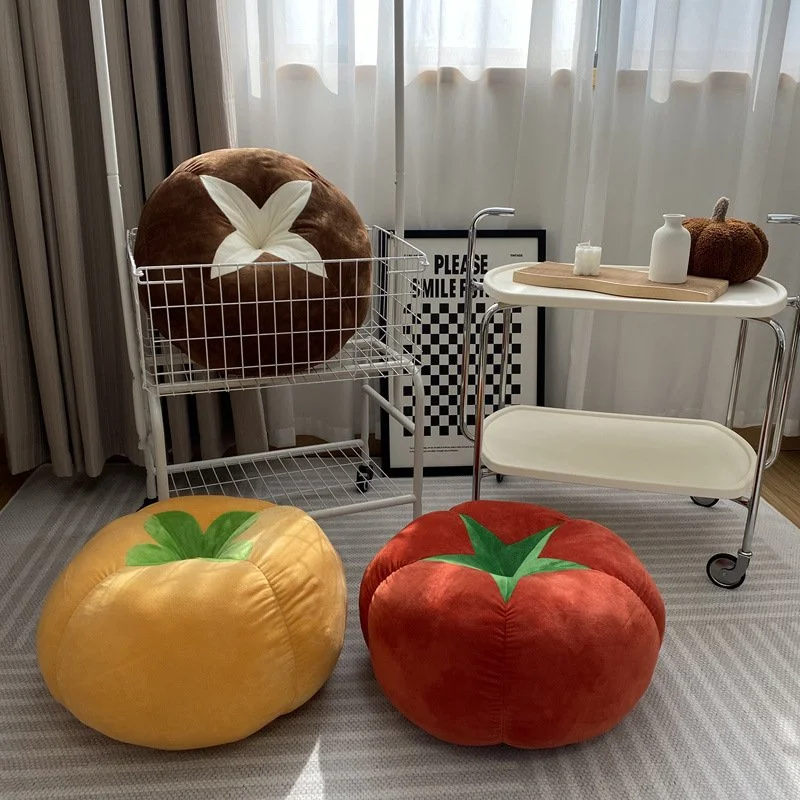
Square cushions are functional, but they can look boxy. Round pillows break up the geometry of a room and add a softer, more organic feel. The Modern Minimalist Thick Round Tomato Tomato Pillow Is a good example of this style. It measures 45cm in diameter and features a plant and flower pattern.
- Pro: The round shape fits easily into corners and against armrests without looking awkward.
- Pro: The 45cm size is substantial enough to be useful for leaning against, not just decorative.
- Con: The PP cotton filler may flatten over time with heavy use, requiring occasional fluffing to maintain its shape.
Layering for Warmth: Blankets and Textiles
The rug and the seat are the base, but the blanket is the star of a fall nook. A blanket serves a dual purpose: it keeps you warm and it signals that the space is ready for relaxation. The key is layering. A single thin scarf is not enough. You want a combination of textures and weights. Start with a medium-weight throw that you can drape over your lap. Add a lighter, softer pillow for your back. The contrast in textures (rough wool against smooth cotton) creates visual interest and tactile richness.
Blanket Weight and Material Guide
For fall, a medium-weight blanket is ideal. It is warm enough for early autumn evenings but not so heavy that it feels oppressive in late summer. Wool is the best material for warmth, but it can be itchy. If you have sensitive skin, look for a merino wool blend or a cotton-wool mix. Cotton is a great base layer because it is soft and breathable. You can layer a cotton throw under a wool throw for maximum comfort. Fleece is another option, but it is synthetic and does not breathe as well as natural fibers. It is good for quick warmth but less ideal for long, cozy sessions where air circulation matters.
Size matters for blankets too. A throw that is too small will pull away from your body when you move. A standard throw size is 50x60 inches. This is large enough to cover your lap and drape over the arm of the chair. If you are using a window seat, you might need a larger size, such as 60x80 inches, to cover your legs and part of the back. Avoid oversized blankets that pool on the floor. They look messy and can be a trip hazard. The blanket should hang neatly over the edge of the chair or seat, with the ends touching or just above the floor.
Styling the Blanket
How you drape the blanket affects the overall look. The "European style" is to fold the blanket in thirds and drape it over the back of the chair, letting the ends hang down equally. This looks tidy and intentional. The "casual style" is to throw the blanket over one arm and let it drape down the side. This looks more lived-in and relaxed. For a reading nook, the casual style is often better because it invites you to grab it when you sit down. Make sure the blanket is not too bulky. If it is too thick, it will look like a lump. A medium-weight blanket with a good drape is the goal.
Using Pillowcases for Customization
If you want to change the look of your nook without buying new pillows, pillowcases are a low-cost solution. The Sofa Embrace Pillowcase Solid Color Bedside Cushion Office Pillow Is a versatile option. It is made of flannelette, which is soft and warm, making it ideal for fall.
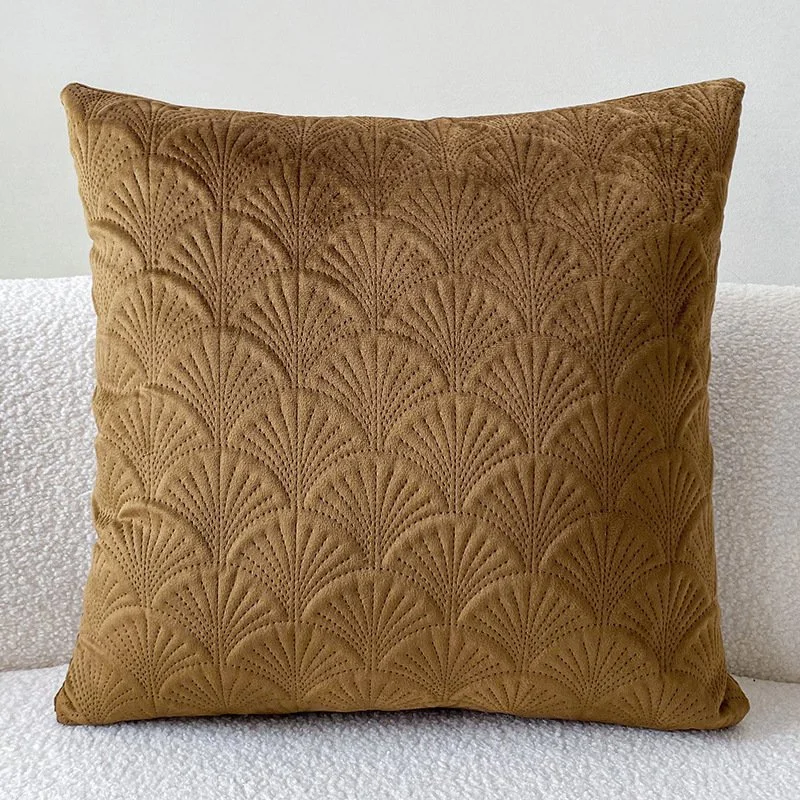
- Pro: Flannelette material provides a cozy, brushed texture that feels warm to the touch.
- Pro: Available with or without a core, so you can use your own fill or buy a complete set.
- Con: Flannelette can pill over time if not washed gently, so check the care label for specific washing instructions.
Product Comparison: Cushions and Covers
When selecting items for your nook, it helps to compare the specific attributes of different products. The table below compares four items from the selection above, focusing on price, material, options, and best use case. Note that all products involve Asian sizing, so always check the specific centimeter measurements against your furniture dimensions.
| Product | Price | Material/Type | Size/Options | Best For |
|---|---|---|---|---|
| Thicken Plush Cushions | $14 | Plush (Winter sitting) | 38x38cm, 43x43cm, 48x48cm | Adding seat depth and warmth to hard chairs |
| Round Tomato Pillow | $12.72 | PP Cotton, Embroidered | 45cm Diameter | Decorative back support with a natural pattern |
| Sofa Embrace Pillowcase | $5.24 | Flannelette | 45x45cm (Case or with Core) | Refreshing existing pillows with soft, warm fabric |
| Linen Sofa Cover | $31.84 | Polyester-Cotton Blend | Multiple sizes (180x180cm to 180x340cm) | Protecting and updating a sofa or large bench |
| Geometric Pillow Cover | $3.28 | Polyester Peach Skin | 44x44cm (Cover only) | Adding a pop of color and modern pattern |
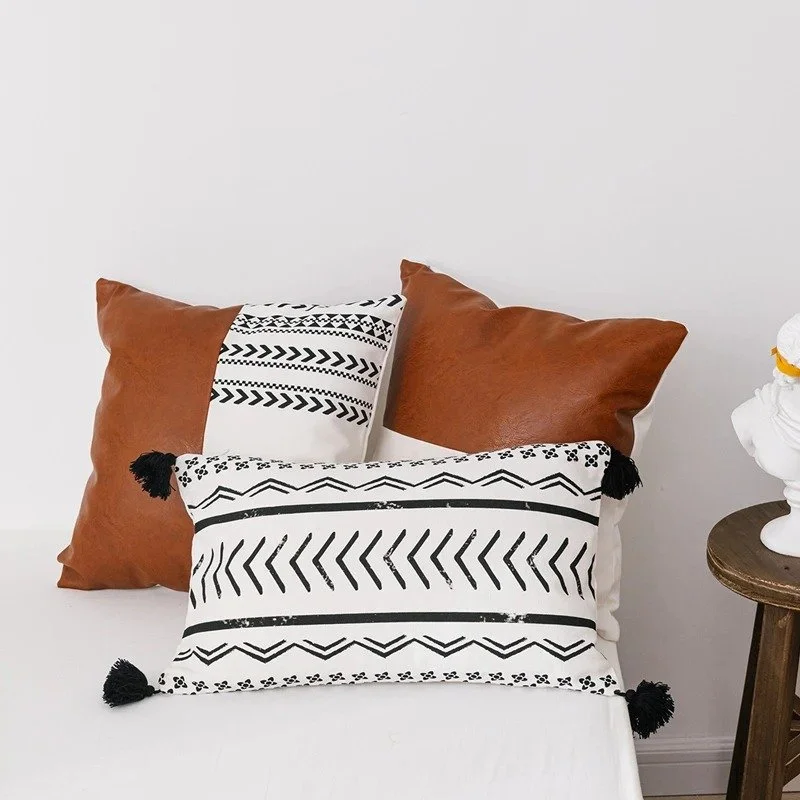
| Double Sofa Cushion | $17.24 | Cotton Canvas + Leather | 45x45cm, 35x50cm | Durable, two-toned accent for a modern nook |
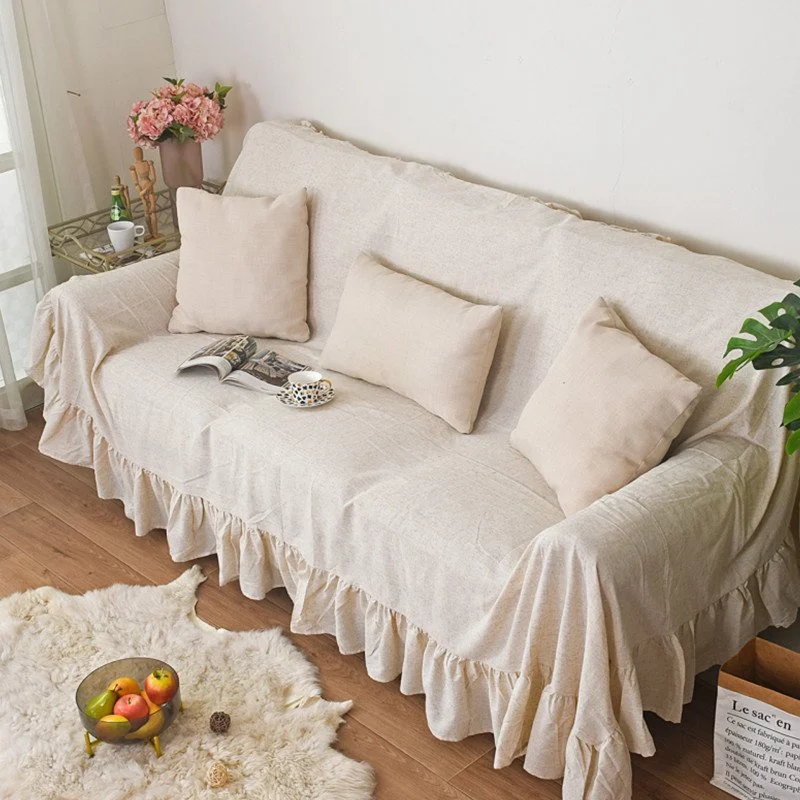
The Wholesale Linen Sofa Cover with Ruffled Edge Is a different category of product. It is a full-coverage cover for sofas.