It is October. The air has turned crisp, and the idea of driving to a crowded, overpriced theater feels less appealing than the promise of a warm living room, a bowl of popcorn, and a film that has been sitting on your watchlist for months. Yet, many home movie nights fall flat not because of the movie choice, but because the environment feels sterile or uncomfortable. You sit on a standard couch that is too hard, wrapped in a sheet that is too thin, under lighting that is too bright. The goal of a cozy fall movie night Is to engineer comfort. It is about removing friction between you and the screen. This guide walks you through the practical steps of selecting the right textiles, arranging your space, and avoiding common mistakes that ruin the vibe. We will focus on specific metrics for blanket sizing, material properties that actually retain heat, and styling choices that make your living room feel like a sanctuary rather than a waiting room.
Choosing the Right Size: Solo vs. Group Dynamics
The single biggest mistake people make when buying a throw is assuming one size fits all. A blanket that is perfect for a single person on a loveseat can feel like a shroud if you try to share it with a partner. Size is not just about warmth; it is about psychology. A blanket that feels too small creates a subconscious sense of exposure. A blanket that is too large can become a tripping hazard or a heavy weight you have to adjust constantly. Understanding the geometry of your seating and the number of people involved is the first step to a successful movie night.
Solo Viewing: The 50x60 to 60x70 Inch Range
If you are watching alone, you want a blanket that covers your lap and extends up to your chest or shoulders, but does not wrap entirely around you like a burrito. The standard "throw" size is typically 50x60 inches (roughly 127x152 cm). This size is ideal for a standard sofa seat. It allows you to drape it over your legs and pull it up to your chin when the film gets intense. If you are a tall person or someone who likes to curl up with a pillow, step up to the 60x70 inch size. This extra 10 inches of length provides crucial coverage for your lower back if you are leaning against an armrest. Avoid blankets smaller than 40x50 inches for movie nights; these are better suited for draping over a chair back or as a decorative accent, not for actual warmth.
Group Viewing: The 80x80 and 90x90 Inch Standard
For couples or small groups, the dynamics change. You need a blanket that is wide enough to cover two people without one person having to stretch to stay warm. An 80x80-inch square is the minimum viable size for two adults. It allows both people to sit comfortably with their legs covered, and there is enough excess fabric to pull up if the room temperature drops. For larger groups or those who like to pool the blanket in the center of the couch, a 90x90-inch or even 90x120-inch rectangular throw is superior. The key metric here is "excess fabric." When you share a blanket, you want at least 6-8 inches of overhang on each side so that no one feels like they are "losing" their corner. If you are setting up for a family movie night with three or more people, consider two separate large throws rather than one giant one. It is easier for individuals to adjust their own comfort levels, and it eliminates the constant negotiation of who gets the warmest spot.
When selecting a specific product, always check the listed dimensions against your actual couch. Asian sizing often runs smaller than US/EU standards. If a product lists dimensions in centimeters, convert them carefully. For example, a blanket listed as 150x200 cm is approximately 59x79 inches, which is a generous size for one person but tight for two. A 200x220 cm blanket is roughly 79x87 inches, which is a solid medium-large size. If you are between sizes, always choose the larger option. It is easier to fold a blanket than to wish you had more of it.
Material Matters: Flannel, Knit, and Microfiber
Texture is the primary driver of perceived coziness. A blanket can be the correct size and color, but if the fabric feels scratchy, cold to the touch, or slippery, the experience will feel wrong. Different materials offer different thermal properties and tactile sensations. Understanding these differences helps you match the blanket to your specific comfort needs and the type of movie you are watching.
Flannel: The Warmth King
Flannel is brushed cotton or a cotton-synthetic blend. The brushing process creates a soft nap on the surface, which traps air and provides immediate warmth. Flannel is heavier than most other throw materials. It has a "settling" quality; once it is on you, it stays there. This makes it ideal for colder months and for viewers who tend to run cold. Flannel is also durable and easy to wash. It does not pill as easily as synthetic fleece if cared for correctly. The downside is that flannel is not very breathable. If you are in a warm living room or if you tend to overheat, flannel might be too much. However, for a true fall and winter movie night, flannel is often the best choice for sustained warmth. Look for a high thread count or a thicker weight to ensure it provides adequate insulation without feeling like a heavy duvet.
Knit: The Breathable Option
Knit blankets are made from yarn, usually acrylic, wool, or a blend. They are lighter than flannel and have a distinct texture that varies from chunky and rustic to fine and smooth. Knits are breathable, meaning they allow air circulation. This makes them a good middle ground. They are warm enough for a cool evening but not so heavy that they cause overheating. The tactile experience of a knit blanket is often associated with "handmade" or "artisanal" coziness. A chunky knit, in particular, adds a visual weight to the room that makes it feel more substantial and inviting. However, knit blankets can be tricky to clean. They can snag on jewelry or rough furniture, and some may shrink if not washed on a gentle cycle. If you choose a knit, check the care label carefully. Acrylic knits are easier to maintain than wool blends, which may require dry cleaning.
Microfiber and Synthetic Blends
Microfiber is a synthetic fabric, usually polyester, that is extremely soft and lightweight. It is often used in sofa covers and lightweight throws. Microfiber is excellent for people who have allergies to natural fibers like wool or cotton. It dries quickly and resists water. However, microfiber is not very insulating on its own. It feels warm because it is soft, but it does not trap heat as effectively as flannel or thick knits. For a movie night in late October or November, a pure microfiber throw might not be enough if your home heating is not running at full capacity. It is best used as a top layer over a warmer base or in milder autumn weather. If you choose a microfiber product, look for a quilted version. The quilting adds air pockets, which improves insulation significantly.
When evaluating a specific product, look at the material composition. A "thickened" flannel bedspread, for instance, is likely to be warmer than a standard lightweight throw. A "soft microfiber" couch cover is designed for durability and ease of cleaning, but it may lack the depth of warmth needed for a long, cold film. Match the material to your climate and your personal heat tolerance.
Color and Lighting: Matching Your Room
Color is not just aesthetic; it affects how the light in your room interacts with the screen and your perception of the space. In a dark living room, a bright white blanket can act as a reflector, bouncing light from the TV or lamps and reducing the contrast of the movie. Conversely, a very dark blanket in a dimly lit room can make the space feel closed-in or gloomy. The goal is to find a balance that complements your lighting setup.
For Dark Living Rooms
If your living room has dark walls or you plan to turn off the main lights, choose a blanket in a deep jewel tone or a muted neutral. Colors like navy, forest green, burgundy, or charcoal work well. These colors absorb light rather than reflecting it, which helps maintain the cinematic atmosphere. They also hide stains and wear better than light colors, which is a practical benefit for a frequently used item. A dark blanket also provides a strong contrast against a light-colored couch, making the seating area pop. If your room is very dark, avoid pure black, as it can blend in too much with the shadows. Instead, opt for a deep blue or green, which adds a subtle layer of color without overwhelming the space.
For Light and Bright Rooms
If your living room has white walls and bright natural light, you have more flexibility. Lighter colors like cream, beige, or light gray can keep the space feeling airy and open. However, if you plan to watch movies at night, you will need to manage the light. A light-colored blanket will reflect any ambient light, so it is crucial to use dimmable lamps or blackout curtains. If you use blackout curtains, you can get away with a light blanket because the room will be fully controlled. Without blackout curtains, a mid-tone color is often the safest bet. It does not absorb too much light, but it also does not reflect it aggressively. Earthy tones like terracotta, mustard, or olive green are excellent for fall themes. They evoke the season without being overly bright.
The Role of Patterns
Patterns can add visual interest without committing to a single solid color. A subtle pattern, such as a small floral print or a geometric shape, can break up large areas of fabric and make the blanket look more dynamic. However, avoid high-contrast patterns if you have a sensitive eye or if the pattern is large and busy. A large, bold pattern can distract you from the screen. Stick to small-scale patterns or tonal patterns where the colors are similar in value. This allows the blanket to add texture and style without competing with the movie. If you are unsure, a solid color is always a safe choice. You can add pattern through pillows or other accessories.
When selecting a product, consider the color options available. A turquoise floral quilted sofa cover, for example, offers a vibrant option that can serve as a statement piece. It is best used in a room with neutral walls to avoid visual clutter. A flannel bedspread in a "Fire dance" pattern might offer a warm, autumnal vibe that fits the season well. Check the color swatches online, but remember that colors may appear slightly different on your screen. If possible, look for customer photos or reviews that mention color accuracy.
Setting the Scene: Beyond the Blanket
A blanket is the centerpiece of comfort, but it is only one part of the equation. To create a truly immersive cozy fall movie night, you need to consider the entire environment. This includes the furniture, the lighting, and the surrounding decor. Each element should work together to support the activity of watching a movie.
Seating and Support
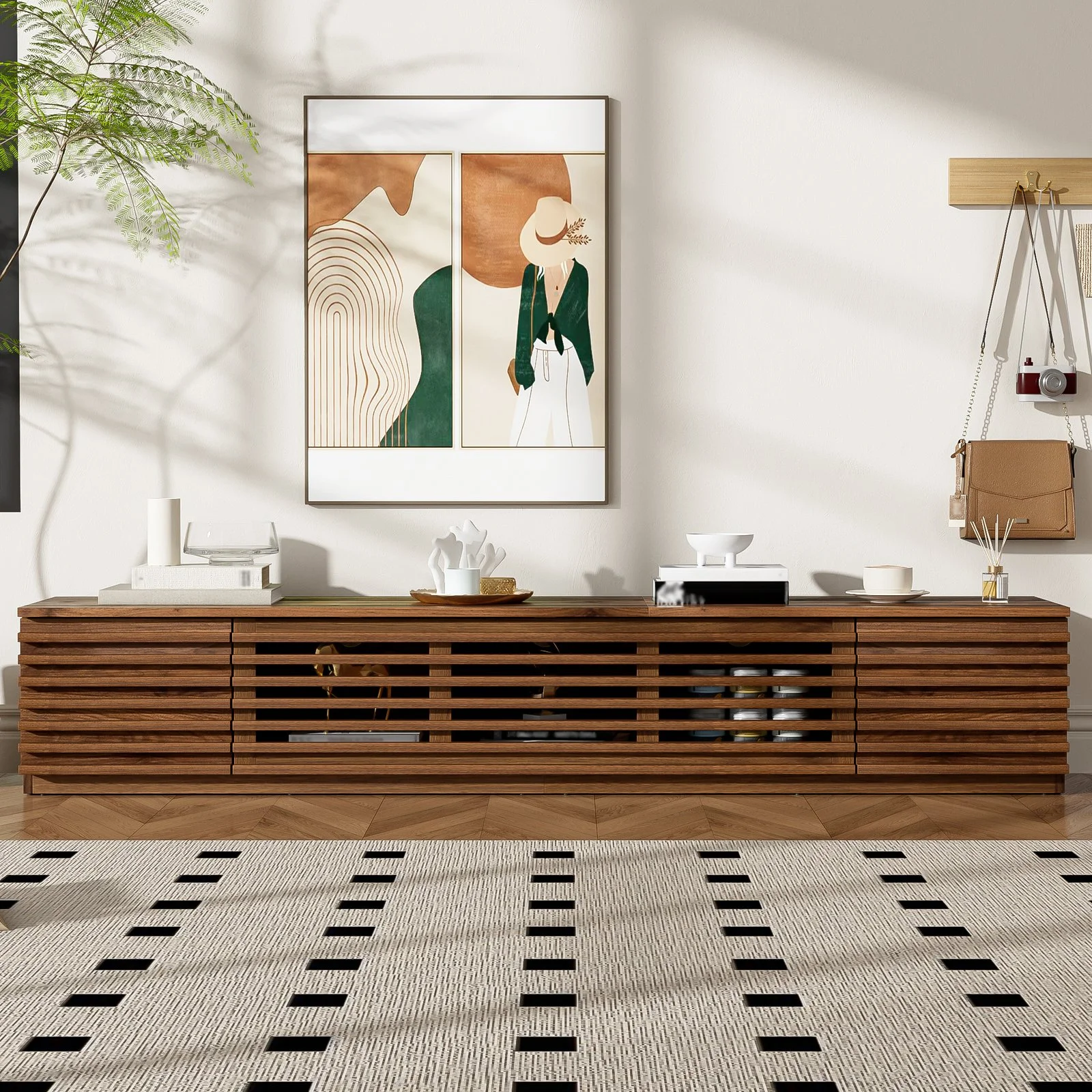
Your seating must be comfortable enough to support a long movie. If you have a standard sofa, consider adding a cushion or a bolster for lumbar support. If you are using a TV stand or entertainment center, ensure it is stable and that the TV is at the correct height. A 70-inch TV stand, for example, is designed for large screens up to 80 inches. It provides a solid base and cable management, which keeps the area tidy. A tidy area contributes to a relaxed state of mind. If your TV stand has soft-closing hinges, it reduces noise when opening and closing cabinets, which is a small but significant detail for a quiet viewing experience. Ensure that the stand is wide enough to hold your soundbar, gaming consoles, and other equipment without looking cluttered. A clean, organized media center allows you to focus on the film rather than on a mess of cables and boxes.
Lighting Control
Lighting is critical for movie watching. You want to eliminate glare and reflections from the screen. Use blackout curtains to block out daylight and external light sources. If you are watching at night, use dimmable lamps or smart bulbs that can be adjusted to a low level. Avoid overhead lighting, which can cast shadows on your face and create reflections on the screen. Instead, use floor lamps with warm-toned bulbs (2700K or lower) placed behind or to the side of the seating area. This "bias lighting" reduces eye strain and makes the colors on the screen appear more vibrant. If you do not have blackout curtains, consider using a heavy drape or a blackout shade. The atmospheric living room floor curtain, for example, is designed to block light completely. It is a practical solution for rooms with large windows that let in too much light. By controlling the light, you create a sense of enclosure that enhances the coziness of the space.
Texture and Layering
Layering is key to a cozy aesthetic. Do not rely on a single blanket. Use a base layer, such as a sofa cover, to protect your furniture and add a uniform texture. Then, add a throw blanket for individual warmth. Finally, add pillows for support and visual interest. A pure white bow pillow cover, for instance, adds a soft, decorative touch that contrasts well with a darker throw. The layering of different textures—smooth microfiber, soft flannel, and plush knit—creates a tactile richness that makes the space feel more inviting. This visual and tactile complexity is what people associate with "cozy." It is not just about being warm; it is about being surrounded by softness and comfort.
Grounding the Space
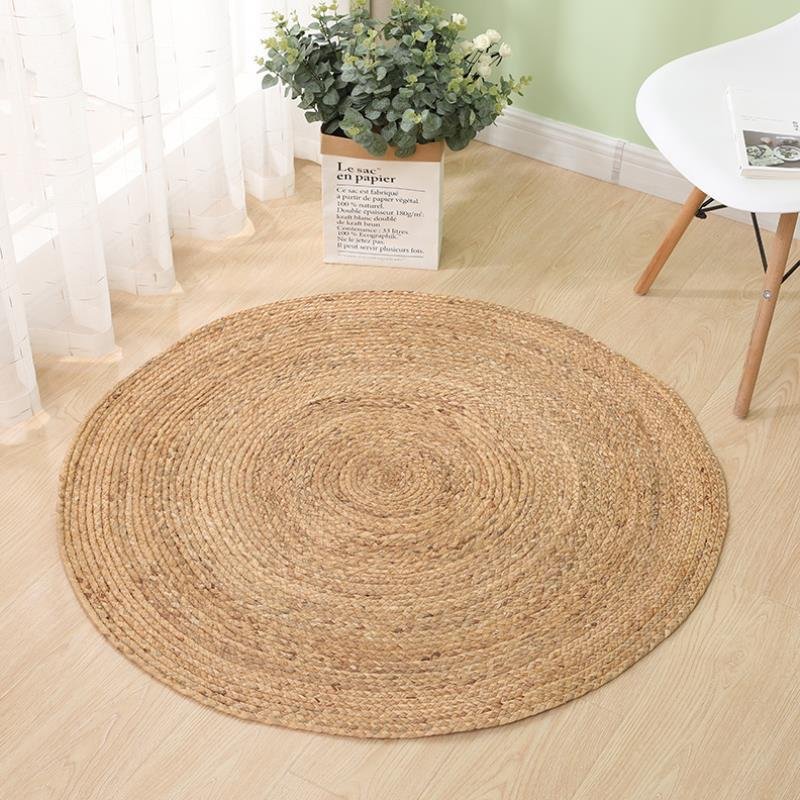
The floor is an often-overlooked element of the room. A rug or mat can help define the seating area and add warmth underfoot. If you have a hardwood or tile floor, a round rattan carpet or woven mat can add a natural element that complements the fall theme. It also helps to dampen sound, making the room feel more intimate. Place the mat under your coffee table or in front of the sofa to anchor the space. This simple addition can make a significant difference in how the room feels. It connects the seating area to the rest of the room and creates a sense of cohesion.
Product Comparison Table
Below is a comparison of the selected products based on their specific attributes. Note that prices and availability can change, and Asian sizing may run smaller than US/EU standards. Always verify dimensions before purchasing.
| Product | Price | Type/Material | Key Options/Size | Best For |
|---|---|---|---|---|
| 70 Inch Modern TV Stand | $717.56 | MDF, Soft-closing hinges | Fits TVs 70-80 inches, 165 lbs capacity | Homes with large screens needing cable management and stability. |
| Round Rattan Carpet | $67.32 | Woven water grass/reed | 80cm diameter, Large | Adding natural texture and defining a small seating area. |
|
Flannel Bedspread
⭐ Editor's pick
|
$15.48 | Flannel, thickened | Various sizes (150x200cm to 200x220cm), 39 styles | Budget-friendly warmth for solo or small group viewing. |
| Turquoise Floral Quilted Sofa Cover | $96 | Soft Microfiber, Quilted | 1, 2, 3, or 4 Seater | Protecting couches and adding a colorful, quilted layer. |
|
Atmospheric Blackout Curtain
⭐ Editor's pick
|
$41.32 | Cloth + Gauze, Blended | Per meter, Pink options | Blocking light to enhance movie contrast and coziness. |
|
Pure White Bow Pillow Covers
⭐ Editor's pick
|
$159.96 | Pillow Covers | 18x18 inches, White | Adding a decorative, soft accent to the seating area. |