

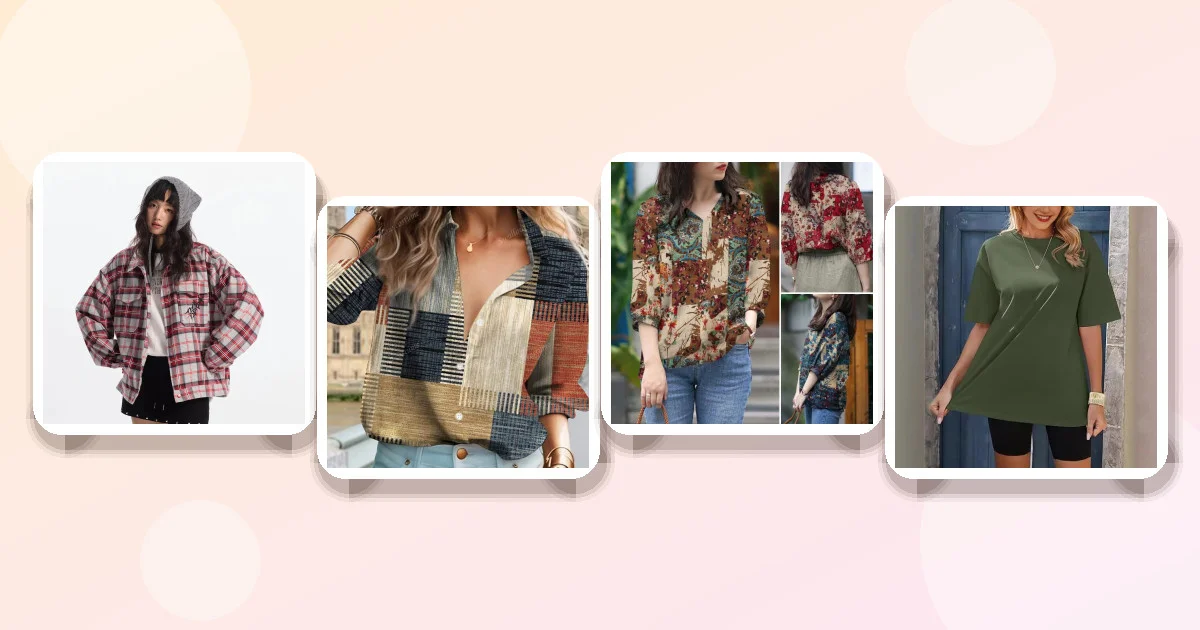
October weather is unpredictable. One day you are commuting in 60-degree sunshine, the next in 45-degree rain. For professional women, this transition creates a wardrobe problem: how do you stay warm enough for the walk to the train or the cold office lobby without arriving looking like you are wearing a sleeping bag? The solution is not just buying heavier clothes; it is about understanding how different fabrics interact and how specific cuts allow for layering without adding bulk. This guide breaks down the mechanics of fall layering, focusing on blouses that serve as reliable bases for your daily outfits. You will learn which fabrics hold up under stress, how to adjust sizing for comfort, and how to combine specific tops with outerwear for a look that is both functional and polished.
The Foundation: Choosing the Right Base Blouse
A successful layered look starts with the base layer. In the context of a commute, this layer needs to do two things: manage moisture and provide a smooth surface for outer layers. If your base layer is too thin, it will cling to your body and show every fold of your sweater. If it is too thick, it will create bulk at the shoulders and neck, making it difficult to button a blazer or fit under a turtleneck. The ideal base blouse for fall is mid-weight. It should have enough structure to hang straight but enough flexibility to move with you.
Structure vs. Drape
Structure refers to how a fabric holds its shape. A blouse with high structure, like a crisp cotton poplin or a stiffer cotton blend, holds a collar open and keeps sleeves straight. This is crucial for professional settings because it maintains a clean line even when you are sitting at a desk or walking briskly. Drape refers to how a fabric falls. High-drape fabrics, like silk or lightweight rayon, flow over the body. While these look elegant, they can be problematic for layering because they tend to bunch under heavier knits. For a commute, prioritize structure over drape. You want a blouse that looks put-together even if you forgot to iron it the night before.
The Sleeves Matter
Do not overlook the sleeve length and fit. When layering, the base layer’s sleeves should end at the wrist bone. If they are too short, you will constantly pull them down, which disrupts the outer layer. If they are too long, they will bunch at the wrists, creating a messy look. Three-quarter sleeves are a versatile option for early fall, as they can be worn alone or under a cardigan. However, for the later part of October, when temperatures drop, full-length sleeves are safer. Look for cuffs that are not overly tight. A cuff that digs into your wrist will be uncomfortable after eight hours of sitting. A relaxed cuff allows for a natural break in the line of the arm and accommodates a watch or bracelet without pinching.
Fabric Weights and Materials for October
Understanding fabric weight is the key to avoiding the "bulky" look. Weight is usually measured in GSM (grams per square meter), but for everyday shopping, you can judge by hand. Hold the fabric up to the light. If you can easily see through it, it is too light for a base layer in cold weather. If it is stiff and heavy, it is too thick. The sweet spot is a fabric that has some opacity and a slight hand-feel of thickness.
Cotton Blends
Pure cotton absorbs moisture, which can make you feel cold if you sweat during a walk. Cotton blends, which mix cotton with polyester or other synthetic fibers, offer a balance. The cotton provides breathability and softness, while the synthetic component adds durability and helps the fabric dry faster. Cotton blends also tend to hold their shape better than pure cotton, which shrinks easily. For a commute, a cotton blend is often the most practical choice. It is durable enough to handle daily wear and tear, and it resists wrinkles better than pure cotton. When shopping, check the label for the percentage of cotton. A blend with 60-70% cotton and 30-40% polyester is a common ratio that offers comfort and structure.
Lace and Embroidery
Lace and embroidered fabrics add visual interest without adding significant weight. However, they require care. Lace is delicate and can snag easily on zippers or rough surfaces. If you choose a lace blouse for layering, ensure the base layer underneath is smooth and seamless. Embroidery adds texture, which can help hide small imperfections in the fit. However, heavy embroidery can create bulk at the chest or back. Look for raised embroidery that is not too thick. These fabrics are best for days when you know the temperature will be mild, as they do not provide much warmth on their own.
Printed and Color-Block Designs
Prints and color-block designs can make a blouse look less formal, which is useful for casual Fridays or creative workplaces. However, they can also be distracting if the pattern is too loud. For a professional commute, stick to subtle patterns or muted colors. A plaid or checkered pattern is a classic fall choice because it breaks up the monotony of solid colors. Color-block designs can elongate the torso if the blocks are vertical. When choosing a printed blouse, consider how it will look under a solid-colored cardigan or blazer. A busy print might compete with a textured knit, so it is often better to pair a printed base with a solid outer layer.
Comparing Your Options
When selecting a blouse for layering, you need to weigh price, fabric, and style against your specific needs. The following table compares the available options based on their key attributes. Note that prices and availability can change, so always check the current listing before purchasing.
| Product | Price | Fabric/Type | Options | Best For |
|---|---|---|---|---|
| Plaid Loose-fitting Jacket Long Sleeve Shirt | $93.52 | Cotton blend (Polyester fiber) | 4 (Red, M-XXL) | Structured look, high durability |
| Color Block Button Print Long Sleeve Casual Retro Shirt | $16.36 | Casual style, buttons/belts details | 12 (Khaki/Blue, S-3XL) | Budget-friendly, casual office |
| Womens Stylish V-neck Top With Three-quarter-length Sleeves | $15.44 | Printed design, V-neck | Varies (Check listing) | Mild days, layering under cardigans |
| Streetwear Unisex Retro All-Match Casual Simple Base Layer Shirt | $16.92 | Loose T-shirt style | Varies (Check listing) | Underneath sweaters, casual base |
| Early Autumn New Embroidered Striped Shirt For Women | $36.48 | Embroidered striped | Varies (Check listing) | Adding texture without bulk |
| Elegant Lace Floral Art Long Sleeve Cozy Tunic | $21.24 | Lace floral, tunic length | Varies (Check listing) | Stylistic layering, mild weather |
Each of these options serves a different purpose in your fall wardrobe. The higher-priced plaid shirt offers a more structured look due to its cotton blend composition, which is ideal for a professional setting where appearance is paramount. The lower-priced options provide versatility and allow you to experiment with different styles without a significant financial commitment. The tunic length of the lace blouse offers extra coverage, which can be useful if you prefer not to tuck in your shirt. The V-neck top allows for layering with turtlenecks or necklaces without feeling constrained at the throat. Choose the option that aligns with your office dress code and your personal comfort level.
Sizing Strategies for Layering
One of the most common mistakes in layering is buying base layers that fit too tightly. When you put a sweater or blazer over a tight shirt, the fabric stretches and distorts, creating unsightly lines. It also restricts your movement, which can be uncomfortable during a commute. The general rule for layering is to buy your base layer in your regular size, but if you are between sizes, size up. This extra room allows the fabric to lay flat against your body without pulling at the buttons or seams.
Understanding Asian Sizing
If you are shopping for blouses from brands that use Asian sizing, be aware that these sizes run smaller than European and American standards. A size M in Asian sizing may correspond to a size S or XS in US sizing. Always check the specific measurements provided in the product description. Look for the chest width, shoulder width, and sleeve length. Compare these numbers to a garment you already own that fits well. If the chest measurement of the blouse is more than 2-3 inches smaller than your chest measurement, it will likely be too tight for layering. Allow for a 2-3cm difference due to manual measurement, but prioritize the fit of the shoulders and chest.
Shoulder Fit
The shoulder seam is the most critical part of the fit. If the shoulder seam falls off your shoulder, the blouse will look sloppy. If it is too close to your neck, it will feel restrictive. For layering, the shoulder seam should sit exactly on your shoulder bone. This provides the most room for movement when you raise your arms to put on a coat or lift a bag. If you are buying a blouse online, measure the distance from the center of the collar to the edge of the shoulder on a blouse you already own. Match this measurement as closely as possible to the new blouse. A slight excess in shoulder width is better than a shortage, as it allows for a thicker layer underneath.
Five Practical Outfit Combinations
Here are five specific ways to combine the available blouses with outerwear for a professional fall commute. These combinations focus on balance, ensuring that the layers complement each other in color and texture.
1. The Structured Plaid Base
Pair the Plaid Loose-fitting Jacket Long Sleeve Shirt For Men And Women With a solid-color turtleneck or a thin merino wool sweater. The plaid pattern adds visual interest, while the cotton blend fabric provides a smooth base for the knit. This combination works well in cooler temperatures because the cotton blend holds its shape. Tuck the shirt into high-waisted trousers or a pencil skirt to define your waist. Add a belt to cinch the sweater if it is loose-fitting. This look is polished and appropriate for most office environments.

- Pro: The cotton blend fabric resists wrinkles and holds its shape well.
- Pro: The plaid pattern is classic and versatile for fall.
- Con: Limited color options (only red) may limit mix-and-match possibilities.
2. The Color-Block Casual Look
Use the Color Block Button Print Long Sleeve Casual Retro Shirt As a base under a neutral cardigan. The color-block design adds a modern touch without being too loud. The buttons and belt details provide structure, which helps the shirt stay in place under a loose cardigan. This outfit is suitable for casual Fridays or creative workplaces. Pair it with dark jeans or chinos for a relaxed but professional look. Because the shirt is casual, it is important to balance it with polished shoes, such as leather loafers or ankle boots.

- Pro: Very affordable price point allows for multiple color choices.
- Pro: The belt detail helps define the waist under loose outerwear.
- Con: The casual style may not be appropriate for very formal offices.
3. The V-Neck Layering Trick
The Womens Stylish V-neck Top With Three-quarter-length Sleeves Featuring A Printed Design Is ideal for layering under a cardigan or a light blazer. The V-neckline allows you to wear a turtleneck or a high-neck top underneath without feeling tight around the neck. The three-quarter sleeves are perfect for early fall days when the weather is mild. If it gets colder, you can add a long-sleeve thermal underneath, and the three-quarter sleeves will still peek out, adding a stylish detail. This combination is lightweight and comfortable for long commutes.

- Pro: The V-neck allows for easy layering with turtlenecks.
- Pro: Three-quarter sleeves are versatile for changing temperatures.
- Con: May not provide enough warmth for very cold days without an additional base layer.
4. The Simple Base Layer
The Streetwear Unisex Retro All-Match Casual Simple Base Layer Shirt Loose T-Shirt Is a utilitarian choice. It is designed to be worn under other garments, so it is cut loosely and simply. This makes it an excellent base for a thick sweater or a heavy blazer. The loose fit ensures that there is no bunching at the waist or shoulders. Because it is unisex, it may have a boxier cut, which can be flattering on some body types but may need to be tucked in to define the waist. This is a no-fuss option for days when you want to focus on the outer layer.

- Pro: Loose fit prevents bunching under sweaters.
- Pro: Simple design works with almost any outer layer.
- Con: The unisex cut may require tucking to look polished.
5. The Textured Embroidered Look
The Early Autumn New Embroidered Striped Shirt For Women Adds texture and interest to a simple outfit. The embroidery creates a visual focal point that can be seen even when the shirt is tucked in. Pair this with a solid-color blazer or cardigan to let the embroidery stand out. The striped pattern is classic and works well with neutral colors. This outfit is suitable for a professional setting where a bit of personality is allowed. The embroidery adds a layer of warmth and texture without adding significant bulk to the fabric itself.

- Pro: Embroidery adds texture and style without heavy fabric.
- Pro: Striped pattern is versatile and professional.
- Con: Embroidery may require careful handling to avoid snags.
6. The Lace Tunic Option
The Elegant Lace Floral Art Long Sleeve Cozy Tunic Is a stylistic choice that works well for layering. The tunic length covers the hips, which can be useful if you are not wearing a belt. The lace adds a feminine touch that contrasts nicely with structured outerwear like a leather jacket or a wool coat. Because lace is delicate, it is best worn under a smooth-finished outer layer to prevent snags. This outfit is elegant and suitable for business casual settings. It provides a bit more coverage than a standard blouse, which can be comforting in cooler weather.

- Pro: Tunic length offers extra coverage and comfort.
- Pro: Lace adds elegance and visual interest.
- Con: Delicate fabric requires careful care and may snag easily.
Common Mistakes to Avoid
Even with the right garments, it is easy to make mistakes that ruin the look of a layered outfit. Here are the most common errors and how to avoid them.
Ignoring the Neckline
One of the biggest issues with layering


