

Your hands are the first thing to feel the autumn chill. Whether you are walking to the bus stop, pedaling through a headwind, or waiting on a crowded platform, cold hands are distracting and uncomfortable. The wrong gloves make you fumble with keys, struggle to type on your phone, or feel stiff and bulky under your coat sleeves. This guide cuts through the marketing fluff to help you select handwear that actually works for your daily routine. We focus on dexterity, material weight, and how different glove types fit under standard fall coats. You will learn which insulation levels match specific temperature ranges and how to avoid common fit errors that lead to sweaty, cold hands by noon.
How to Choose the Right Commute Gloves
Selecting the right glove is not about finding the thickest one. It is about matching the insulation to your specific activity and the environment. A glove that is too warm for a 45-degree day will make your hands sweat, which actually cools them down faster when the sweat cools. A glove that is too thin will leave your fingers numb during a 20-minute bike ride. Here are the specific factors to evaluate.
Insulation Level and Temperature Range
Most fall commutes occur between 30°F and 50°F (roughly -1°C to 10°C). In this range, you generally need a mid-weight liner or a light thermal layer. Pure cotton or thin wool gloves are insufficient because they lose insulation when damp and do not block wind. Look for synthetic fleece, acrylic, or thin wool blends. These materials trap air efficiently without adding bulk. If you are in a region where temperatures drop below 20°F, you will need heavier insulation, but for standard fall commuting, mid-weight is the sweet spot.
Dexterity and Touchscreen Capability
Dexterity is crucial for daily tasks. You need to unlock your bike, tap a transit card, or type on a smartphone without removing your gloves. Touchscreen-compatible gloves feature conductive threads or fabric on the thumb and index finger. This allows the capacitive screen to register your touch. When checking for this feature, look for specific mentions of "touchscreen" on the fingertips. Without this, you will be constantly taking your gloves off, which defeats the purpose of wearing them. For bike commuters, dexterity also matters for shifting gears and braking. Bulky mittens can make these actions hazardous.
Fit and Sleeve Compatibility
Gloves must fit snugly enough to stay on but loose enough to allow blood flow. A glove that is too tight restricts circulation, making your hands feel colder. A glove that is too loose lets in wind. Most "one-size-fits-all" gloves are designed for average hand sizes. If you have smaller or larger hands, check if the product offers specific size options (S, M, L). Additionally, consider the cuff length. The glove cuff should extend at least 1.5 to 2 inches up your wrist. This ensures that when you pull up your coat sleeve, the glove does not slip down, exposing your wrist to the cold. For bike riders, longer cuffs are essential to prevent wind from rushing in when your arms are positioned forward.
Material and Breathability
The material of the outer shell determines how the glove handles wind and moisture. Leather, such as sheepskin, is naturally windproof and durable. It looks professional and fits well under coats. However, leather can be stiff at first. Fleece and acrylic knits are softer and more flexible but less wind-resistant. If you are walking in a windy city, a windproof outer layer is beneficial. If you are in a mild climate, a breathable knit allows heat to escape, preventing overheating. For rainy commutes, you need materials that do not absorb water easily. Leather and some synthetic fabrics shed water better than cotton or wool.
Comparison of Top Options
The following table compares the available options based on material, price, and primary use case. This helps you quickly identify which glove type aligns with your specific commute needs.
| Product | Price | Material/Type | Key Feature | Best For |
|---|---|---|---|---|
| Warm Touchscreen Gloves with Fleece Lining | $9.12 | Fleece lining, Touchscreen | 5 Colors, Connected | Phone users, mild cold |
| Warmest Winter Gloves (Thermal Windproof) | $6.2 | Thickened Acrylic Knit | Windproof, High Insulation | Windy days, cyclists |
| Stay Warm & Cozy Fleece-Lined Gloves | $10.2 | Fleece, Non-slip | Breathable, 5 Colors | Everyday wear, shopping |
| Warm Fleece Lined Gloves for Women | $6.28 | Soft Polyester | 7 Colors, Versatile | Light cold, casual use |
| Warm Touchscreen Sheepskin Leather Gloves | $22.56 | Sheepskin Leather | Touchscreen, S/M/L Sizes | Office wear, style |
| Warm Fleece-Lined Knit Beanie | $6.68 | Acrylic Knit | Headwear, 5 Colors | Complete cold-weather set |
Our Top 7 Recommendations
Below are our selected products, categorized by their primary strength. Each recommendation includes specific details on fit, material, and who will benefit most from it.
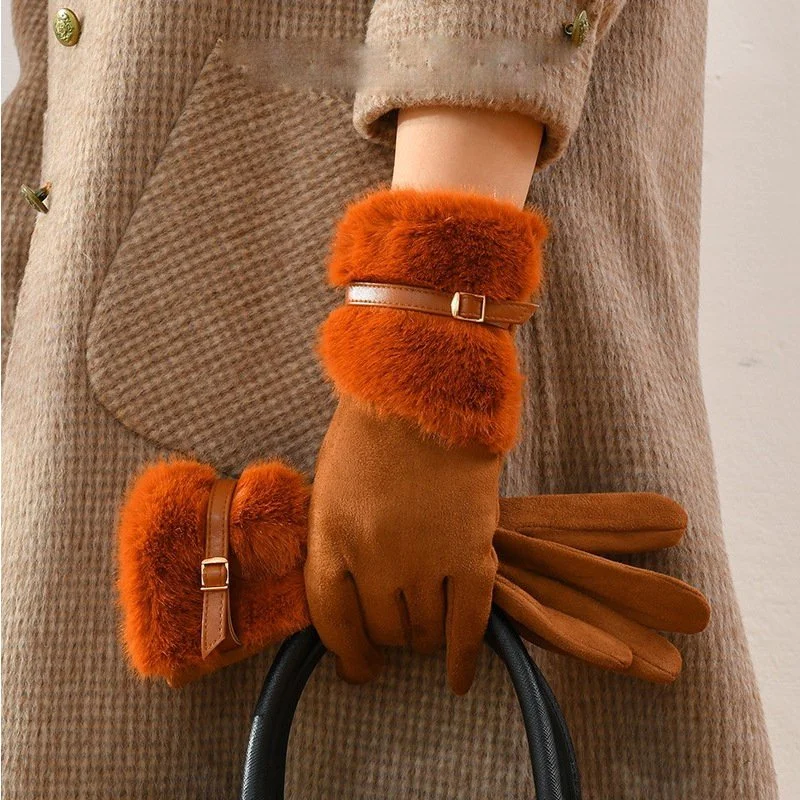
1. Best for Phone Users: Warm Touchscreen Gloves with Fleece Lining
These gloves are designed specifically for people who need to stay connected while keeping their hands warm. The fleece lining provides a layer of insulation suitable for moderate cold, while the touchscreen capability ensures you can operate your smartphone without removing your hands. The design is streamlined to fit under coat sleeves without adding excessive bulk.
Best for Commuters who frequently check emails, maps, or social media on their phones during their walk or transit wait.
- Pro: Touchscreen functionality on fingertips allows for seamless phone use.
- Pro: Available in five stylish colors (Apricot, Dark Gray, Caramel, Black, Mocha) to match various wardrobes.
- Con: Fleece lining offers moderate warmth; may not be sufficient for extreme sub-zero temperatures.
2. Best for Windy Conditions: Warmest Winter Gloves for Women - Thermal Windproof Fleece Knitting
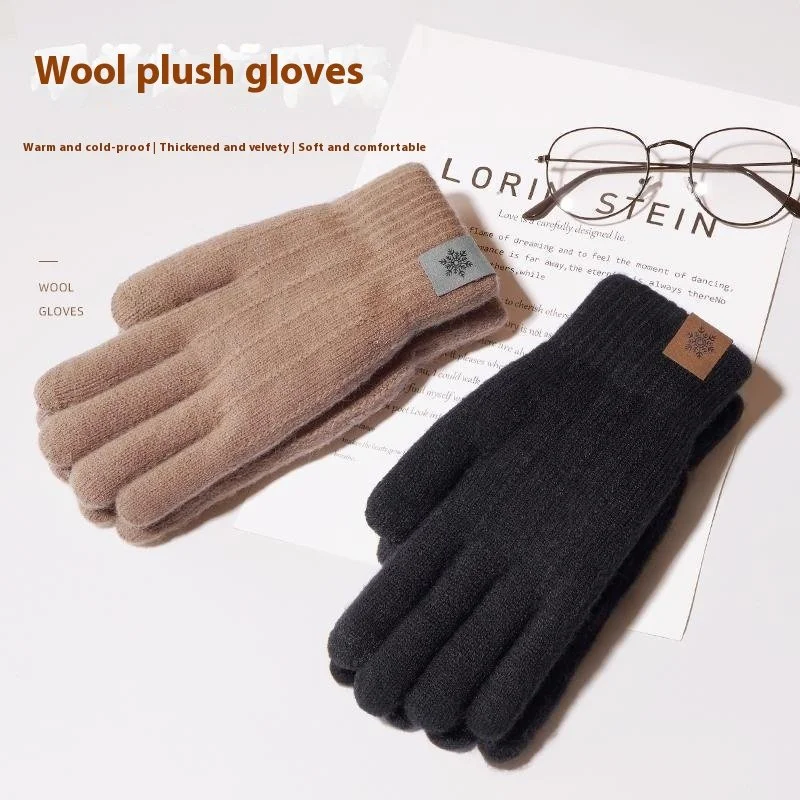
Wind chill is a major factor in how cold your hands feel. These gloves are constructed from thickened knitting acrylic fibers that create a dense barrier against wind. The "thermal windproof" design makes them ideal for bike commuters or walkers in exposed areas where wind speed is high. The tight knit structure prevents air from penetrating the fabric.
Best for Bike commuters or walkers in windy urban environments where wind chill makes the air feel colder than the actual temperature.
- Pro: Thickened acrylic fibers provide excellent wind protection and cold insulation.
- Pro: Affordable price point makes them a practical option for daily wear.
- Con: Free size may not fit very small or very large hands perfectly; check wrist circumference.
3. Best for Everyday Versatility: Stay Warm & Cozy Fleece-Lined Gloves
These gloves balance warmth, breathability, and style. The non-slip feature is a subtle but useful addition, helping you grip transit poles, bike handles, or coffee cups without your fingers slipping. The breathable construction prevents overheating, making them suitable for variable fall weather where temperatures fluctuate throughout the day.
Best for Daily wearers who need a glove that transitions easily from a walk to the office to evening errands.
- Pro: Non-slip texture improves grip on handles and public transport poles.
- Pro: Breathable design reduces sweating during moderate activity.
- Con: Free size fit requires checking product dimensions if you have non-average hand measurements.

4. Best for Light Cold: Warm Fleece Lined Gloves for Women
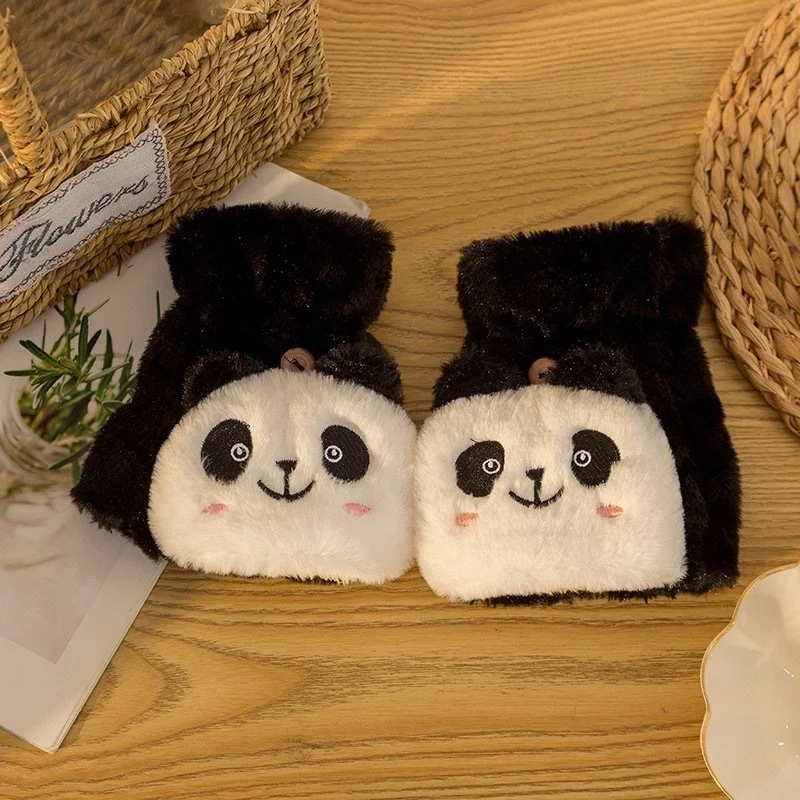
Made from soft polyester, these gloves offer a lightweight warmth solution. They are less bulky than thicker thermal options, making them ideal for early fall when temperatures are cool but not freezing. The variety of seven colors, including patterned options like Panda Flip, adds a playful element to your commute look while maintaining functionality.
Best for Early fall commuters or those who tend to run warm and prefer a lighter layer of protection.
- Pro: Soft polyester material feels comfortable against the skin.
- Pro: Wide range of seven color and pattern options for personal style.
- Con: Lighter insulation may not be enough for sustained exposure in temperatures below 30°F.
5. Best for Office Style: Warm Touchscreen Sheepskin Leather Gloves
Leather gloves offer a professional appearance that pairs well with business attire. The sheepskin material is naturally wind-resistant and durable. The touchscreen capability ensures you remain connected, while the available sizes (S, M, L) allow for a tailored fit that stays secure under blazers and coats. The velvet or silky lining adds a layer of luxury and additional warmth.
Best for Office workers who want a stylish, professional-looking glove that also functions well for phone use.
- Pro: Sheepskin leather provides durability and a classic, professional look.
- Pro: Specific S, M, L sizing ensures a better fit than one-size-fits-all options.
- Con: Higher price point compared to synthetic alternatives; leather may require specific care.

6. Best for Head and Hand Warmth: Warm Fleece-Lined Knit Beanie
While not a glove, a complete cold-weather strategy includes protecting your head. This thickened, fleece-lined knit beanie is made from warm acrylic and is available in five neutral colors. It pairs well with any of the glove options above to create a cohesive look. The one-size-fits-all design ensures comfort without tightness.
Best for Completing a cold-weather outfit; ideal for those who need both head and hand warmth in a matching aesthetic.
- Pro: Thickened fleece lining provides significant warmth for the head.
- Pro: Neutral colors (red, black, gray, navy, brown) match almost any fall coat.
- Con: Acrylic material may pill over time with heavy use; check care instructions for longevity.

7. Best for Grip and Comfort: Stay Warm & Cozy Fleece-Lined Gloves (Alternate View)
We revisit the Stay Warm & Cozy gloves because their non-slip feature is particularly valuable for specific commute types. If you use a bus with poles or a bike with narrow grips, the ability to maintain a secure hold is a safety and comfort feature. The breathable nature of the fabric makes it a strong contender for mixed-weather days where you might be moving between heated offices and cold streets.
Best for Public transit users who need to grip poles and handles securely while staying warm.
- Pro: Enhanced grip prevents slipping on wet or smooth surfaces.
- Pro: Windproof and breathable balance for active commuting.
- Con: The "cozy" fit may feel slightly loose on very slender wrists; ensure the cuff covers the wrist adequately.
Common Mistakes to Avoid
Even the right glove can fail if you make a few common errors in selection or use. Avoiding these pitfalls will ensure your hands stay warm and functional throughout your commute.
Buying Gloves That Are Too Big
Many people buy a larger size thinking it will be warmer. This is incorrect. Air pockets in a loose glove create a space where cold air can circulate. For warmth, you need the glove to fit snugly against your skin. If you are wearing a thin liner, you can size up slightly, but for a single glove layer, a snug fit is essential. If the glove slides off your hand when you lift your arm, it is too big. Tuck the cuff firmly into your coat sleeve to prevent this.
Ignoring the Cuff Length
A glove that ends at the wrist bone is insufficient for most commutes. When you pull up your coat sleeve, the glove often slides down, exposing your wrist. The wrist is a highly vascular area and loses heat quickly. Look for gloves with cuffs that extend at least 2 inches up the forearm. This ensures that even when your coat sleeve is raised, your wrist remains covered. For bike riders, this is critical because the forward arm position allows wind to enter the cuff easily.
Choosing Non-Touchscreen Gloves for Phone-Heavy Commutes
If you rely on your phone for navigation, music, or work communication, non-touchscreen gloves will become a nuisance. You will find yourself constantly taking them off, which cools your hands. In cold weather, the time it takes to remove and re-wear gloves can lead to numbness. Always check for the "touchscreen" specification on the product description. If it is not explicitly stated, assume it is not compatible.
Overlooking Material Breathability
Not all cold weather requires maximum insulation. If you are walking briskly or biking, your body generates heat. If your gloves are not breathable, your hands will sweat. When you stop, the sweat cools, making your hands feel colder than if they had stayed dry. For active commutes, prioritize breathable materials like thin fleece or wool blends over heavy, non-breathable synthetics. This maintains a consistent temperature rather than causing hot/cold fluctuations.
Care, Styling, and Usage Tips
Proper care extends the life of your gloves and maintains their appearance. Styling them correctly ensures they look intentional and professional.
Care Instructions by Material
Leather: Sheepskin and other leathers should be kept dry. If they get wet, stuff them with paper towels and let them air dry away from direct heat. Avoid machine washing leather gloves, as this can crack the material. Use a leather conditioner once or twice a season to keep the material supple. Store them flat or loosely rolled to prevent creasing.
Fleece and Acrylic: These materials are generally machine washable. Use a gentle cycle with cold water and mild detergent. Avoid fabric softener, as it can clog the fibers and reduce warmth. Air dry is preferred; high heat from a dryer can shrink acrylic and fleece. If your gloves have a non-slip grip, avoid abrasive scrubbing on the grip areas to preserve the texture.
Knits: Knitted gloves can stretch out if hung. Store them flat. If they lose their shape, you can try washing them in cold water and reshaping them while damp.
Styling for Office and Transit
For a professional look, match the glove color to your shoes or your coat. Neutral colors like black, gray, camel, and navy are versatile. If you wear a black coat, black or dark gray gloves blend easily. If you wear a camel or beige coat, caramel, mo