

Every day you step into a chilly office or hop on a train, you want to stay warm without looking like you over‑dressed. This guide walks you through choosing the right fabrics, silhouettes, and layering tricks so you can glide from home to work in comfort and style.
Choosing the Right Blouse and Sweater
Start with a blouse that fits snugly but doesn’t cling. A slim‑fit, lightweight polyester blend keeps the shape without adding bulk. For the sweater, pick a mid‑weight knit that offers warmth but still drapes loosely over the blouse.
Sizing Matters
- Blouses: Look for a true-to-size fit; if you’re between sizes, go up a half size to avoid a tight look.
- Sweaters: Choose a size that allows at least 1–2 inches of room between the sweater and your jacket or coat.
Key Features to Check
- Seam placement: front‑center seams keep the blouse from pulling when you move.
- Stretch content: 5–10% elastane in the blouse or sweater gives freedom of movement.
- Ventilation: ribbed cuffs and collars on sweaters help release heat.
Fit and Silhouette: Avoid Bulk
Layering can make you look boxy if the pieces clash in volume. Keep the blouse tailored and the sweater relaxed. The blouse should sit just below the bust line, while the sweater should skim the shoulders.
Layering Technique
- Place the blouse first; tuck it into the sweater’s waistband to keep it from flaring.
- Use a lightweight cardigan or blazer over the sweater for added insulation without extra bulk.
Fabric Weight and Breathability
Weight is measured in GSM (grams per square meter). For a cold commute, aim for a blouse around 100–150 GSM and a sweater around 200–250 GSM.
Best Blouse Fabrics for Cold Weather
- Polyester blends: lightweight, wrinkle‑resistant, and quick‑dry.
- Silk or satin: smooth, but can be heavy; choose a thin weight.
- Cotton blends with elastane: breathable but may retain moisture.
Best Sweater Fabrics for Layering
- Wool blends: warm but can feel stiff; look for a fine count.
- Polyester‑spandex: offers stretch and keeps shape.
- Cotton fleece: cozy, but heavier; good for very cold days.
Product Spotlight: How They Fit the Plan
Petal‑Sleeve Waist‑Cinch Shirt

- Pros: Slim fit keeps layers tight; petal sleeves add subtle flair.
- Pros: Lightweight polyester stays breathable.
- Con: Check sizing; may run small in certain colors.
V‑neck Long Sleeve Thin Loose Top Elegant Atmosphere Blouse

- Pros: 80% polyester + 20% spandex offers stretch.
- Pros: V‑neck opens the collar for easy layering.
- Con: Asian sizing runs smaller; choose a larger size if between sizes.
Buttoned V‑neck Patchwork Lace T-Shirt Base Layer
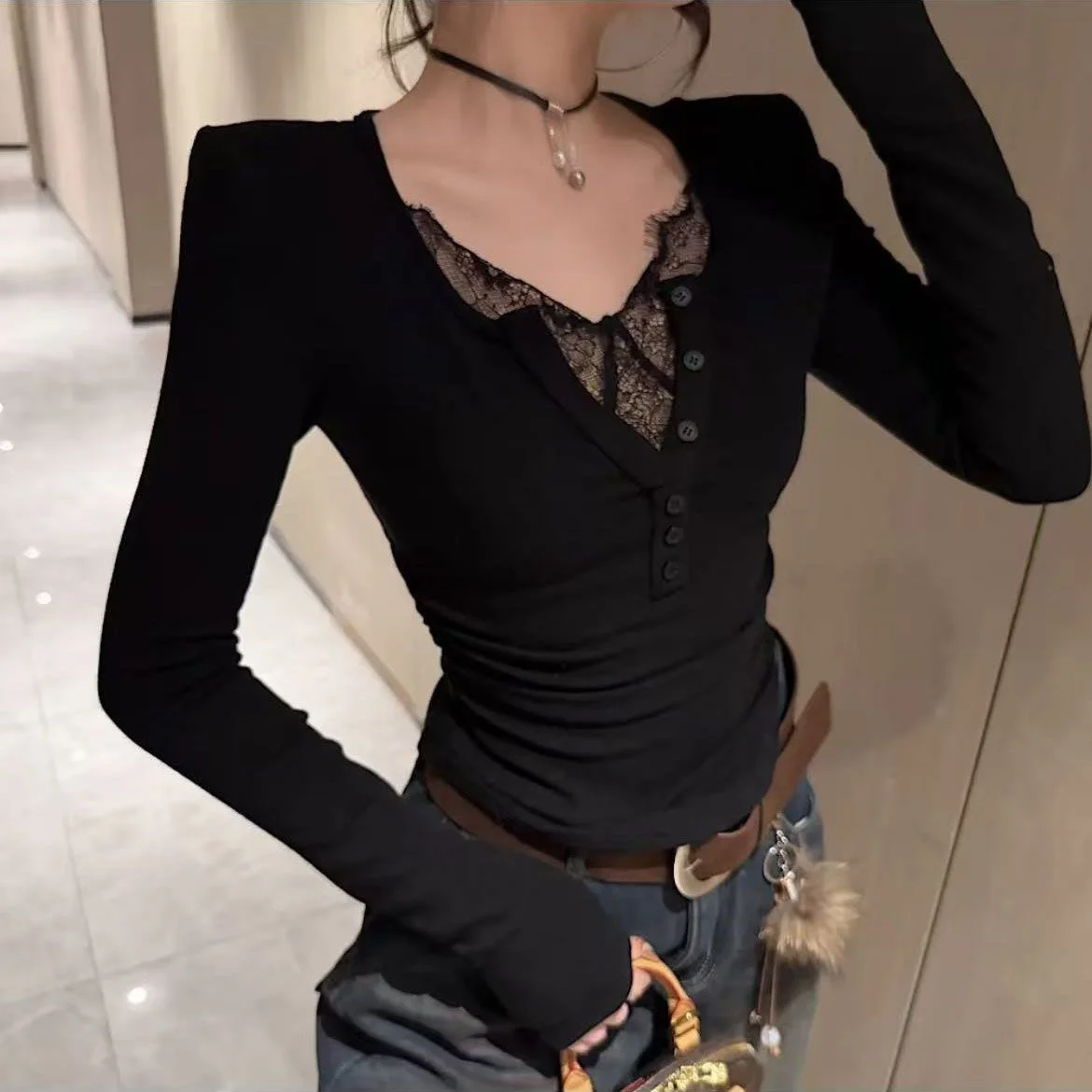
- Pros: Lace detail adds texture without weight.
- Pros: Buttoned front allows easy removal.
- Con: Limited size and color info; check availability.
Elegant Beige Hanky Hem V-Neck Hoodie For Women

- Pros: Hanky hem adds a relaxed vibe.
- Pros: V‑neck keeps the collar open for layering.
- Con: No detailed specs; confirm material before purchase.
Elegant V‑Neck Long‑Sleeve Top – Plaid Pattern, Dark Gray
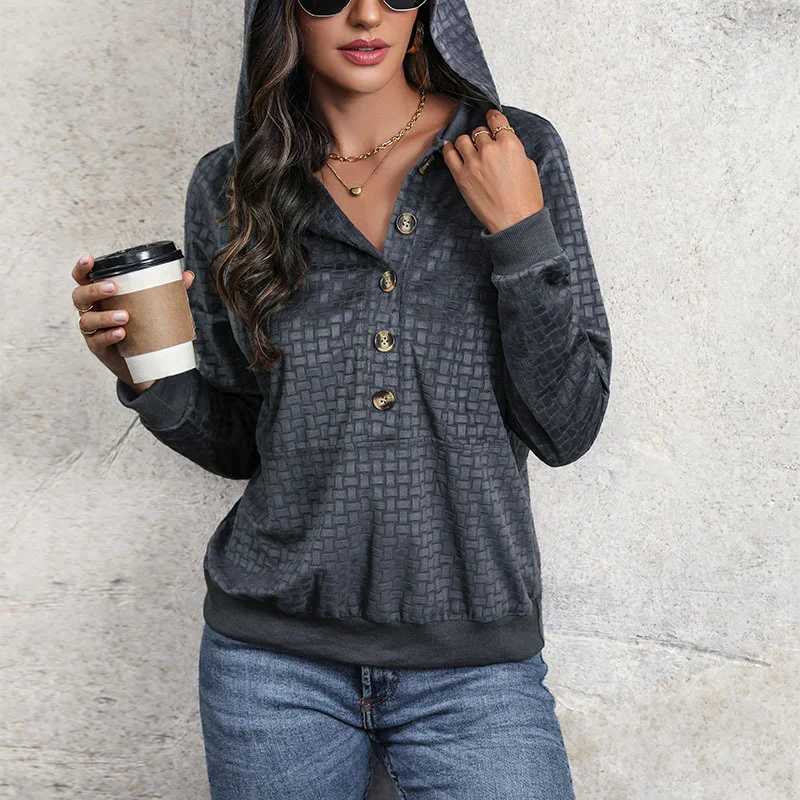
- Pros: Dark gray plaid works well with neutral sweater colors.
- Pros: Long sleeves provide extra coverage.
- Con: Check fit; some sizes may run wide.
Elegant Sun Hat with Ribbon Bow

- Pros: Adjustable size fits most heads.
- Pros: Breathable fabric keeps the head cool.
- Con: Only four color options; choose one that matches your wardrobe.
| Product | Price | Type/Material | Options | Best For |
|---|---|---|---|---|
| Petal‑Sleeve Waist‑Cinch Shirt | $34.48 | Lightweight polyester | Black, Wine Red (S, M, L) | Sleek silhouette under sweater |
| V‑neck Long Sleeve Thin Loose Top | $22.56 | 80% polyester + 20% spandex | Yellow, Pink, White (Average Size) | Loose but polished look |
| Buttoned V‑neck Patchwork Lace T-Shirt | $11.08 | Not specified | Not specified | Light decorative base layer |
| Elegant Beige Hanky Hem V‑Neck Hoodie | $14.40 | Not specified | Not specified | Casual extra warmth |
| Elegant V‑Neck Long‑Sleeve Top – Plaid | $25.20 | Not specified | Dark Gray (S, M, L, XL) | Patterned base layer |
| Elegant Sun Hat with Ribbon Bow | $10.68 | Breathable fabric | Black, Beige, Khaki, Gray (M56‑58cm) | Sun protection on train |
Common Mistakes to Avoid
- Choosing a blouse that’s too loose: it will bulk under the sweater.
- Over‑layering with a heavy coat and a thick sweater: you’ll overheat and look bulky.
- Ignoring fabric weight: a heavy cotton blouse can feel clammy in a thin sweater.
- Skipping a proper fit test: try the blouse inside the sweater before commuting.
Care, Styling, and Usage Tips
- Wash blouses in cold water to preserve stretch.
- Dry sweaters on a low heat setting or air dry to prevent shrinkage.
- Use a lightweight scarf to add warmth without bulk.
- For a polished look, tuck the blouse into tailored trousers and add a blazer.
Frequently asked questions
❓ What is the best way to layer a blouse under a sweater for work?
Start with a fitted blouse that doesn’t add volume, then layer a mid‑weight sweater that drapes loosely. Keep the blouse tucked to avoid flaring and pair with a blazer for a clean finish.
❓ How do I prevent my blouse from looking bulky under a heavy sweater?
Choose a slim or slightly loose blouse made from lightweight polyester or a thin cotton blend. Tuck it into the sweater’s waistband and avoid oversized sweaters that add extra bulk.
❓ Which blouse fabrics are best for layering in cold weather?
Lightweight polyester blends, silk or satin in thin weights, and cotton blends with elastane offer breathability while staying warm. Avoid heavy cottons that trap moisture.
❓ Can I wear a turtleneck blouse under a thin sweater?
Yes, a thin turtleneck made from a stretchy, lightweight material works well under a loose sweater, but keep the sweater’s length long enough to cover the turtleneck’s collar.
❓ What colors of blouses look best with neutral sweaters?
Soft neutrals like white, cream, or light gray pair easily with neutral sweaters. Bold colors can also work if you want a pop of contrast; just keep the sweater in a muted tone.
❓ How to stay warm on the train commute without looking overdressed?
Layer a lightweight sweater over a fitted blouse and add a smart blazer. Keep accessories minimal and choose a coat that matches your outfit’s color palette.
❓ Can I wear a loose blouse under a fitted sweater?
A loose blouse can work if the sweater is very relaxed and the blouse is tucked or cinched at the waist to prevent bulk.
❓ Do I need a scarf with this layering combo?
A lightweight scarf adds warmth without bulk, especially on windy days. Opt for a knit or cotton scarf that matches your sweater’s color.
Key takeaways
- Pick a slim or slightly loose blouse to keep layers from bulking.
- Use mid‑weight sweaters that drape loosely over the blouse.
- Check sizing carefully; go up a half size if between sizes.
- Keep fabric weight between 100–150 GSM for blouses and 200–250 GSM for sweaters.
- Layer smart: blouse, sweater, blazer, coat.
- Use a breathable hat or scarf for extra sun or wind protection.
How we chose these products: Based on the product specifications, options, price and the needs described above; prices and availability can change.